
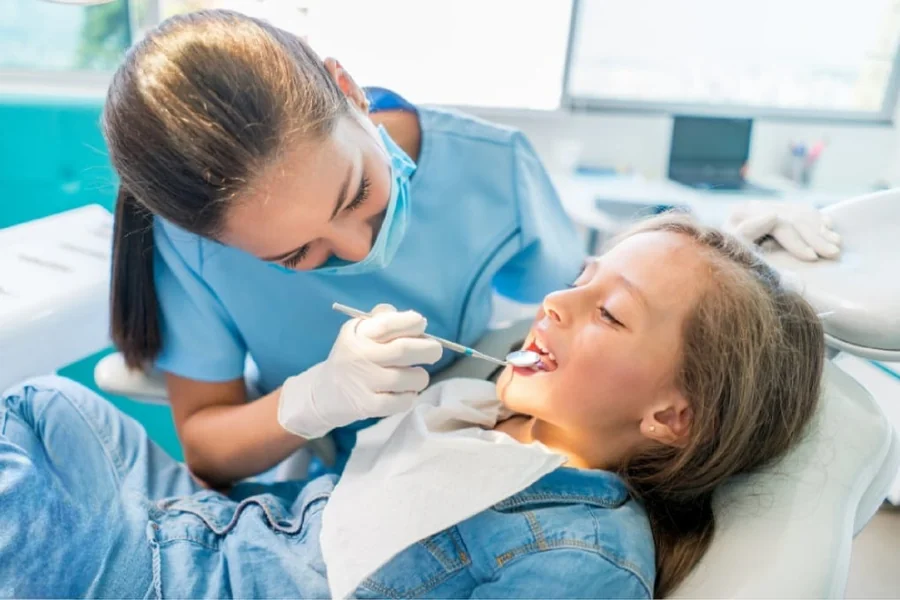
When your child has sudden tooth pain or a broken tooth, you need fast, clear help. A pediatric dentist in Killeen, TX understands that a dental emergency can shake your whole family. You may feel fear, anger, or guilt. Your child may feel confused and scared. In that moment, you need someone who knows kids, knows teeth, and acts with calm focus. A pediatric dentist treats knocked-out teeth, mouth injuries, swelling, and infections. The dentist also knows how to ease a child’s fear and keep you informed. Quick treatment can protect your child’s smile, speech, and eating. It can also prevent dangerous infections. This blog explains how pediatric dentists respond in emergencies, what you can expect during a visit, and how you can prepare before trouble starts. You will learn simple steps to protect your child when every second feels heavy.
Why kids need emergency care from a pediatric dentist
Children fall. They play hard. Teeth break, chip, or get knocked out. You cannot always stop that. You can control how fast your child gets care.
Pediatric dentists focus on children from infancy through the teen years. They complete extra training after dental school. They learn about child growth, behavior, and special health needs. They also learn how baby teeth and adult teeth grow and change.
Emergency care for kids is different from care for adults. A small crack in an adult tooth may wait. The same crack in a young tooth can affect speech and eating. It can also harm the adult tooth that is still growing under the gums.
You can read about common dental emergencies in children from the American Academy of Pediatric Dentistry.
Common dental emergencies in children
Pediatric dentists see the same urgent problems again and again. You can prepare by knowing what they are.
- Knocked out tooth
- Loose or displaced tooth from a hit
- Broken or chipped tooth
- Toothache with swelling or fever
- Cut lip, cheek, or tongue
- Object stuck between teeth
Each problem needs a different response. A knocked-out adult tooth may need to go back in the socket at once. A knocked-out baby tooth usually does not. A deep infection needs fast treatment before it spreads.
How pediatric dentists respond in emergencies
Pediatric dentists plan for sudden calls. Many keep the same-day slots open. Many share after-hours phone lines or on-call systems.
When you call, the office staff will ask clear questions.
- What happened
- When it happened
- Where the injury is
- Whether your child can breathe and swallow
- Whether there is fever, swelling, or bleeding
Staff may tell you to call 911 or go to an emergency room if your child has trouble breathing, heavy bleeding, or a head injury. They may guide you to protect a knocked-out tooth. They may ask you to bring toothpaste in clean milk.
Once you arrive, the pediatric dentist will first check your child’s airway, breathing, and circulation. Next, the dentist will check the face, jaws, and teeth. Then the dentist may order X-rays to see the roots and jaw bones.
What to expect during an emergency visit
During an emergency visit, your child needs three things. Relief from pain. Protection for the tooth. Comfort during treatment.
The dentist may use local numbing medicine for the tooth or gums. In some cases, the dentist may suggest medicine by mouth or nose to help your child relax. The team will explain what they plan to do. They will answer your questions in plain words.
If the tooth is broken, the dentist may smooth the edge, place a filling, or place a crown. If the nerve is exposed, the dentist may do a partial root treatment to protect the tooth. If an infection is present, the dentist may drain it and may prescribe medicine.
The dentist will also give you home care steps. You may get guidance on soft foods, pain control, and brushing around the hurt tooth.
Comparison of common dental emergencies in kids
| Emergency type | What you see | What you should do at home | How soon to call a pediatric dentist
|
|---|---|---|---|
| Knocked out adult tooth | Whole tooth out of mouth, bleeding socket | Rinse tooth gently with clean water. Place it back in the socket if you can. If not, store in milk. Do not scrub | Call at once. Seek care within 30 minutes |
| Knocked out baby tooth | Gap where the tooth was, bleeding that slows | Apply clean gauze. Have your child bite gently. Do not try to put the tooth back | Call the same day for advice and visit |
| Broken or chipped tooth | Piece missing, sharp edge, pain with cold | Rinse mouth with warm water. Save broken pieces in milk if you can | Call the same day. Visit as soon as possible |
| Toothache with swelling or fever | Face swelling, throbbing pain, possible fever | Use a cold pack on the cheek. Use weight-based pain medicine if advised by a doctor. Do not place aspirin on the tooth | Call at once. Same day urgent visit |
| Cut lip, cheek, or tongue | Bleeding cut inside mouth | Press a clean cloth on the cut. Rinse with clean water. Check for broken teeth | Call within a few hours. Go to the emergency room if bleeding does not slow |
How pediatric dentists support your child’s emotions
Dental emergencies can leave scars in a child’s mind. A calm response protects more than teeth. It also protects trust.
Pediatric dentists use simple words and clear steps. They show tools before they use them. They allow a parent to stay close. They may use stories or counting games to guide the child through treatment.
This careful approach lowers fear. It also helps your child return for follow-up visits. Without that, small problems can grow.
How you can prepare for a dental emergency
You cannot predict every fall. You can still plan. Three steps help most families.
- Save your pediatric dentist’s phone number in your phone
- Keep a small kit with clean gauze, a small container, and a bottle of clean water
- Teach your child to tell you at once when a tooth hurts
You can also protect teeth by using mouthguards for sports, regular checkups, and healthy snacks. The Centers for Disease Control and Prevention shares guidance on child oral health.
When to seek emergency room care
Sometimes a dental injury is part of a larger injury. You should seek emergency room care if your child has any of the following signs.
- Trouble breathing or swallowing
- Heavy bleeding that does not slow after 10 minutes of pressure
- Loss of consciousness
- Large cut on face or lip that may need stitches
- Head injury with vomiting or confusion
The emergency room can treat life-threatening problems. Then the team can work with your pediatric dentist for tooth care.
Protecting your child’s smile after an emergency
After the first urgent visit, follow-up matters. You may need more visits to watch healing, adjust fillings, or guide new teeth as they come in. You may also need to change some habits at home.
With fast care, clear guidance, and steady support, you can help your child heal. You can also help them feel safe in the dental chair again.