
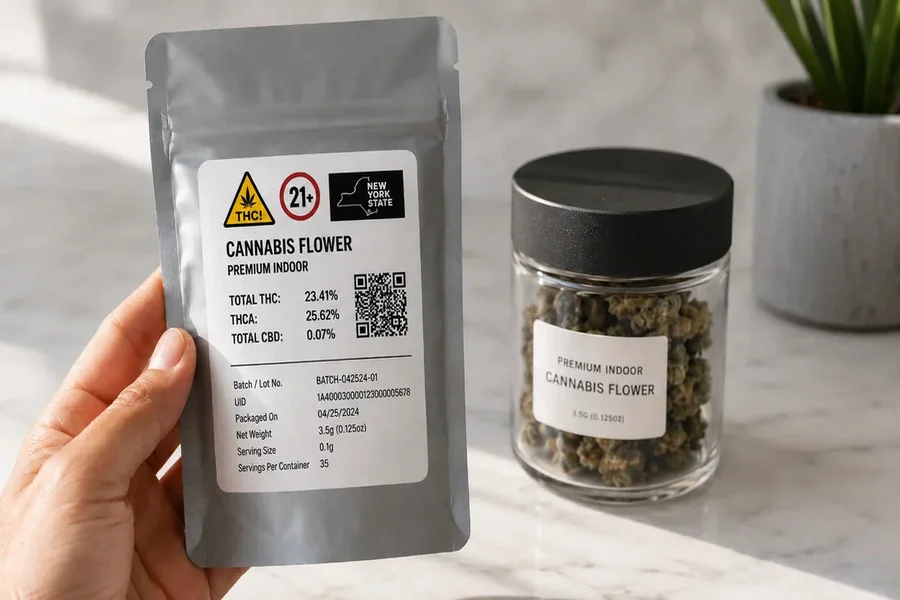
Walk into a cannabis store and there is plenty competing for your attention. Names, packaging, product descriptions, polished branding, all of it is designed to make one product stand out from the next. That isn’t necessarily a bad signal. The problem starts when claims become more persuasive than the actual benefits. With cannabis, the details that matter most are often the ones sitting quietly on the package, waiting to be noticed.
Potency Is More Than a THC Number
A THC figure can attract attention, but experienced consumers know that a single number doesn’t tell the entire story. Legal cannabis packaging provides quantitative information that helps put potency into context, including:
Total THC
Total CBD
Percentage concentration
Milligrams per gram or per unit
That distinction matters when comparing flower with concentrates, or one edible with another. Whether browsing a dispensary menu or ordering through a reliable Cannabis Delivery service, a consumer choosing a product for a particular occasion can make a more informed decision when the strength is presented in standardized measurements rather than vague claims such as “powerful” or “premium.”
Traceability Gives the Product a History
Quality isn’t only about what is in the package today. It is also about whether the product can be traced through the regulated supply chain. The lot or batch number and packaging date provide that connection. They give retailers, producers, regulators, and consumers a reference point if questions arise about a particular product.
For someone comparing similar products, packaging information can also offer useful context around how recently something entered its final packaged form. That is a much more meaningful quality signal than attractive branding alone.
Regulation Should Be Visible, Not Hidden
The legal cannabis market doesn’t operate on trust alone. It leaves signs. The standardized cannabis symbol, health warnings, and regulated packaging requirements are there for a reason. They help distinguish products moving through the legal framework from products making unsupported claims elsewhere.
And there is a broader idea here worth remembering: good regulation should be visible. Child-resistant packaging, standardized warnings, and required product information may not make a package look exciting, but they represent something more valuable — a system in which responsibility doesn’t stop at the point of sale.
That matters when you’re trying to make a decision without having to take someone’s word for everything.
Safety Testing Separates Substance from Marketing
Behind regulated cannabis is a less glamorous but far more important process: laboratory screening. Depending on the product and applicable requirements, testing addresses potential contaminants and chemical residues, helping establish that products meet required safety limits.
Areas of concern can include:
Bacterial and fungi contamination
Pesticide residues
Heavy metals
Residual solvents from extraction processes
Terpene information and ingredient lists can add another layer of useful context, particularly for edibles and topicals. Rather than treating these details as marketing extras, consumers can use them to understand what a product contains and how it fits their particular preferences.
In essence, as a cannabis consumer whether for medical or entertainment, being comfortable with your product choices isn’t necessarily about knowing every strain name or memorizing every THC figure. It’s about partnering with a reliable dispensary that helps you access the correct information and quality products. A dispensary service becomes reliable when transparency is a priority and ordering for home deliveries is simplified and timely. That way, for a cannabis product to perform, quality has to stand on its own rather than hide behind clever marketing.