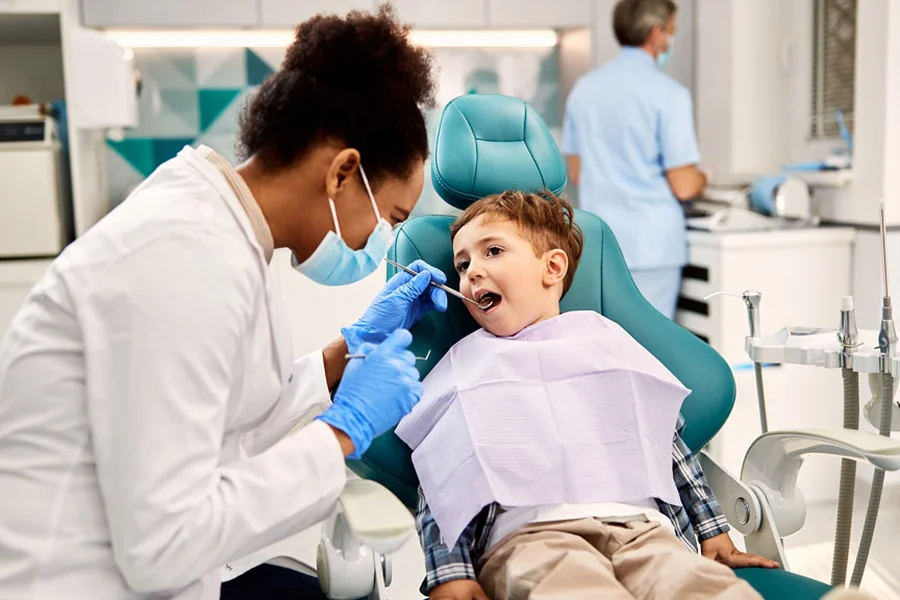
 You can tell when a dental visit is going to be hard before anyone even sits in the chair. One child goes silent and grips the armrest. A teenager acts like they do not care, but keeps checking the door. One parent wants every detail. Another just wants the visit over with. Dental care is never only about teeth. It is also about fear, trust, control, and how each person handles stress. That is something any dentist in Turners Falls, MA understands.
That is why How Family Dentists Personalize Care For Different Personalities matters so much. A good family dentist does not use the same script for every patient. They read the room, adjust their tone, explain things in a way that fits the person in front of them, and build a plan that feels manageable. The result is often better cooperation, less anxiety, and more consistent care for the whole family.
Personalized family dental care starts with how people respond to stress
People do not show dental anxiety in the same way. Some ask a lot of questions because they need control. Some avoid eye contact because they are embarrassed about the condition of their teeth. Some joke through the whole appointment because humor feels safer than admitting fear. Children may cry, freeze, or refuse to open their mouths. Older adults may downplay pain because they do not want to be a burden.
A skilled family dentist notices these patterns early. That changes everything. The patient who needs detail may feel calmer after seeing X rays and hearing each step before treatment starts. The patient who gets overwhelmed may do better with short explanations, a slower pace, and one clear next step. A child with a strong-willed personality may respond better when given choices, such as which flavor fluoride to use or whether to count to ten before the exam begins.
This is the heart of personalized dental care for families. It is not indulgent. It is practical. When care matches personality, patients are more likely to come back, follow instructions, and speak up before a small issue turns into a painful one.
Different personalities create different barriers to dental treatment
The quiet patient is often mistaken for the easy patient. In reality, that person may leave confused, ashamed, or too nervous to mention discomfort. The highly analytical patient can seem demanding, but often just needs clarity to feel safe. The impatient patient may resist longer visits, which makes preventive care harder if the office does not adapt. The fearful child who had one bad visit may remember that feeling for years.
These differences affect more than comfort. They affect cost, timing, and oral health outcomes. If someone keeps postponing treatment because the experience feels threatening, a small cavity can become a root canal. If a teen shuts down during cleanings, early gum problems may go unnoticed. If a parent feels judged, they may delay bringing the whole family in.
Communication training helps dental teams respond better in these moments. Research from the University of Rochester shows how AI supported communication practice for dentists can help clinicians prepare for hard conversations with patients. That matters because the right words, said at the right pace, can lower resistance and build trust fast.
Family dental services work better when communication fits the patient
Personalization can be simple. A nervous adult may need a stop signal before treatment begins. A child with sensory sensitivity may need a quieter room, sunglasses, or a few minutes to get used to the tools. A teen who hates being singled out may respond better to direct, respectful language instead of baby talk. A busy parent may need treatment options explained in plain terms with cost and timing laid out clearly.
Technology can support that approach too. Some patients are more comfortable asking questions from home before an in office visit. The federal teledentistry guidance on preparing patients for teledentistry reflects a basic truth about care. People do better when they know what to expect. For the patient who spirals before appointments, even a short virtual check in can reduce uncertainty and make treatment feel possible.
Matching dental approaches to personality improves trust and follow through
| Patient personality pattern | Common challenge | Helpful family dentist approach | Likely benefit |
| Anxious and avoidant | Delays visits, cancels, ignores pain | Short visits, calm tone, clear stop signals, step by step pacing | More consistent appointments and earlier treatment |
| Analytical and detail focused | Mistrusts vague answers, hesitates to approve care | Visuals, written options, cost breakdowns, time for questions | Stronger trust and more confident decisions |
| Independent child or teen | Resists instructions, pushes back on authority | Choices within limits, direct language, involvement in decisions | Better cooperation and less conflict |
| Embarrassed or ashamed | Hides symptoms, avoids exams | Nonjudgmental wording, privacy, focus on next steps instead of blame | More honesty and better treatment planning |
The point is not to label people. It is to recognize patterns and respond in ways that lower friction. That is what a thoughtful family dentist does. They treat the person, not just the chart.
Small adjustments in care can change the entire dental experience
You do not need a perfect patient to get good care. You need a dental team that pays attention. When the office is flexible with communication, scheduling, and pacing, visits stop feeling like a test you might fail. They start feeling manageable. That is often the difference between a family that only comes in during emergencies and a family that keeps up with preventive care.
For parents, this also sets the tone for children. Kids notice whether adults seem tense, rushed, or ashamed. They also notice when a dentist speaks kindly, explains things clearly, and respects boundaries. Those early experiences shape how they handle dental care for years.
Three ways to find a family dentist who personalizes care
Pay attention to how the office communicates before the visit. Call with one or two specific concerns and listen to the response. If the staff sounds rushed, dismissive, or scripted, that usually carries into the appointment. A good fit sounds patient, clear, and willing to adapt.
Share personality needs upfront. Tell the office if your child needs extra time, if you tend to get anxious, or if a family member wants detailed explanations before treatment. This is useful information, not oversharing. It gives the team a chance to plan well.
Look for flexibility, not perfection. The best dentist for different patient personalities is not the one with the fanciest language. It is the one who adjusts. Maybe that means breaking treatment into smaller visits, using teledentistry for follow up questions, or changing how instructions are given at home.
Dental care feels easier when you are treated like a person instead of a problem. The right family dentist understands that personality shapes every visit, and they use that understanding to make care calmer, clearer, and more effective. If your family has been putting off appointments because the experience never feels right, it may be time to find a practice that meets people where they are.