
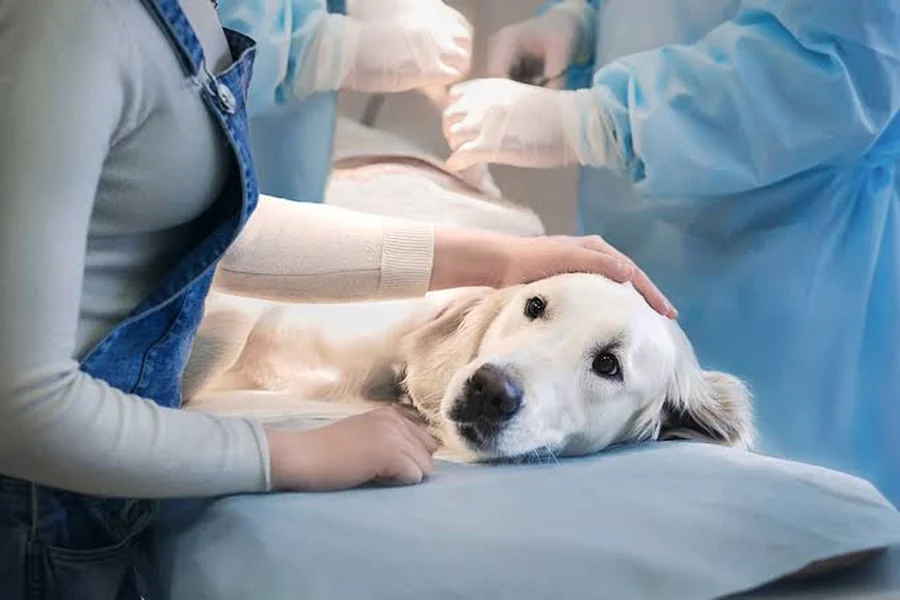
You bring your pet home, set up the blankets, check the meds again, and still feel uneasy. That feeling is common. Recovery can look slow, messy, and hard to read, especially when your dog or cat cannot tell you what hurts. You may be watching every nap, every skipped meal, every wobble, wondering what is normal and what means you should call the veterinarian in Langley, BC clinic.end
How Vets Support Pets Recovering From Surgery Or Illness comes down to three things. They control pain, watch for problems early, and give you a plan you can actually follow at home. Good aftercare protects healing tissue, lowers the risk of infection, and helps your pet get back to normal with less stress for both of you.
Veterinary aftercare gives pets structure when recovery feels uncertain
The first few days after surgery or a serious illness are often the hardest. Your pet may be sleepy, clingy, restless, or not interested in food. After anesthesia, some pets seem confused or unsteady for a while, which can be unsettling if you were expecting them to bounce back by the next morning. Washington State University explains that pets and anesthesia can involve temporary effects like grogginess, mild nausea, and changes in behavior, which is why post anesthesia monitoring matters.
This is where a general veterinarian does more than hand over discharge papers. Your vet adjusts pain medication, explains activity limits, checks the incision or affected body system, and helps you tell the difference between a normal recovery day and a true setback. If your pet had a fever, stomach issue, dental procedure, mass removal, or orthopedic repair, the details change, but the goal stays the same. Protect healing while keeping your pet comfortable enough to eat, rest, and move safely.
The hard part for many owners is that recovery is rarely a straight line. Your pet may seem better in the morning and tired again by evening. A cat may hide more than usual. A dog may want to run before the body is ready. If that energy leads to jumping, licking stitches, or rough play, a small problem can turn into bleeding, swelling, or torn sutures. That is why pet recovery after surgery depends on both medical treatment and strict home routines.
Monitoring and pain control are the center of healing support
Pain changes behavior fast. A pet in pain may pant, pace, whine, tremble, guard an area, refuse food, or withdraw. Some do the opposite and become very still, which people sometimes mistake for calm. Vets look at posture, appetite, heart rate, movement, and response to touch, then match treatment to what your pet is showing. They may prescribe anti inflammatory medication, pain relief, antibiotics, appetite support, or a special diet, depending on the case.
Owners often try to fill in the gaps with instinct, but guesswork can backfire. Human pain medicine can be dangerous for pets. Extra exercise can delay healing. Too little movement can also create problems in some cases, especially after illness, where gentle mobility may help maintain strength. This is why clear discharge instructions matter. Tufts offers a useful guide on pet aftercare at home, including medication schedules, feeding, rest, and warning signs that need prompt attention.
Veterinary support for recovering pets also includes follow up checks. These visits catch issues that owners may not spot right away, such as fluid buildup, delayed wound healing, dehydration, or a medication dose that needs changing. Small corrections early often prevent an emergency later.
Home care works best when you know the limits and the red flags
Many pets recover well at home, but home care is not passive. It means crate rest when needed, leash walks only, clean bedding, an e collar if your pet licks the site, fresh water, and a medication routine that stays on schedule. After routine procedures like spay or neuter surgery, even pets that seem fine still need restricted activity. Virginia Tech notes in its spay and neuter aftercare guidance that running, jumping, and rough play can interfere with healing.
Call your vet if you see vomiting that continues, trouble breathing, pale gums, a swollen or open incision, discharge with odor, refusal to drink, collapse, or pain that seems to get worse instead of better. Those signs deserve quick attention. Waiting to see if things settle down can cost time your pet does not have.
Professional veterinary care and home monitoring each have a clear role
| Recovery Need | What You Can Do at Home | What Your Veterinarian Handles |
|---|---|---|
| Pain control | Give medication exactly as directed and track changes in behavior | Choose safe drugs, adjust doses, and respond if pain is not controlled |
| Incision or wound care | Check daily for redness, swelling, discharge, or licking | Treat infection, replace sutures if needed, and assess healing depth |
| Activity restriction | Use crate rest, leash walks, and block stairs or furniture | Set safe limits based on surgery type, age, and health status |
| Eating and drinking | Offer small meals, fresh water, and note appetite changes | Address nausea, dehydration, feeding plans, or illness related setbacks |
| Warning signs | Watch for lethargy, vomiting, breathing changes, or worsening pain | Examine, test, and treat complications before they become severe |
Clear steps make recovery easier to manage
Build a simple recovery station. Keep your pet in a quiet area with bedding, water, medications, and a short path to go outside if needed. Remove chances to jump or slip. A controlled space lowers stress and protects healing.
Track the same five things each day. Look at appetite, water intake, bathroom habits, energy level, and the incision or main symptom. Write it down. Patterns help you notice change early, and they give your vet useful details if you need to call.
Ask for clarity before a small concern turns into a late night worry. If instructions feel vague, call the clinic. Ask how much sleeping is normal, when to worry about swelling, what to do if a dose is missed, and when activity can increase. Good post surgical pet care depends on clear guidance, not guesswork.
Steady veterinary support helps pets heal with less risk
Recovery asks a lot from owners. You are giving medicine, watching for changes, and trying to stay calm while your pet is not quite themselves. That is exactly why veterinary follow up matters. A general veterinarian helps you separate normal healing from warning signs, keeps pain under control, and gives your pet the safest path back to daily life.
If your pet is recovering from surgery or illness and something feels off, contact your veterinary clinic for guidance. Fast answers can prevent bigger problems and give you peace of mind while your pet heals.