
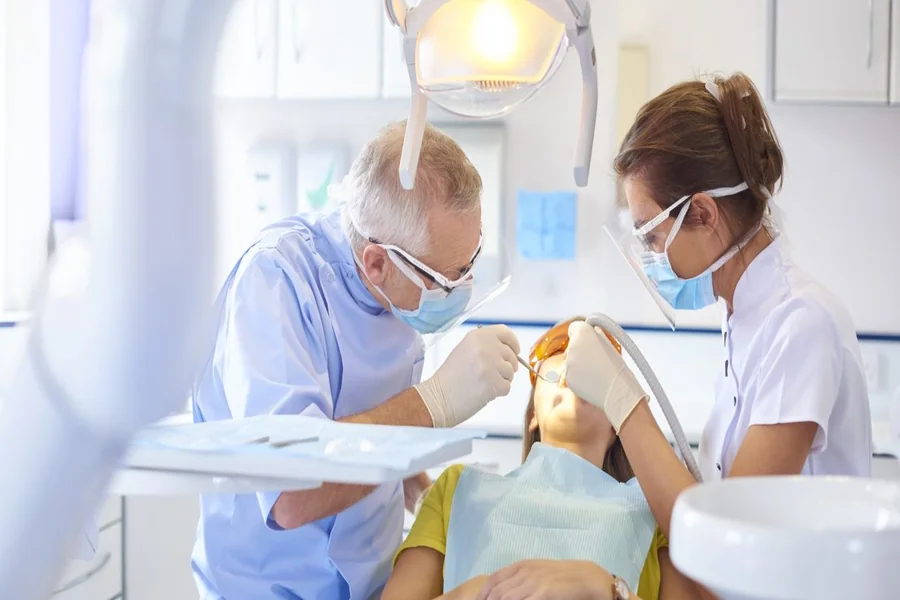
Technology is changing how you receive orthodontic and general dental care. You now see faster visits, clearer answers, and less guesswork. Digital tools guide your dentist before, during, and after treatment. In many offices, 3D scans replace messy impressions. Clear images show your teeth from every angle. This helps you understand your options and likely results. Smart software can spot early signs of decay or crowding that the eye might miss. That leads to earlier help and fewer problems later. You can review treatment plans on a screen. You can track progress with photos on your phone. You might even meet a dentist in LA through a virtual visit before you sit in a chair. These changes can lower fear and confusion. They give you more control, more clarity, and more peace when you care for your teeth and gums.
From Old Impressions To Digital Scans
In the past, getting braces or a crown often meant biting into sticky trays. Those molds could feel messy and rough. Today many offices use digital scanners instead. A small camera moves around your mouth and builds a 3D picture on a screen.
This shift helps you in three clear ways.
- Less discomfort during the visit
- More exact fit for braces, aligners, and crowns
- Faster sharing of records with specialists
The 3D model lets your dentist zoom in on single teeth. You can see cracks, worn spots, or crowding with your own eyes. That gives you stronger trust in each step of care.
Clear Aligners And Smarter Braces
Technology also changes how teeth move. Braces and aligners now use digital planning from the start. Your dentist or orthodontist maps each small movement on a computer. The plan then guides how wires bend or how each aligner tray is shaped.
This planning can mean:
- Shorter treatment time in many cases
- Fewer in person visits for adjustments
- More predictable results that match the plan
Some systems use sensors that track if you wear aligners long enough. The data can help you stay on track and avoid delays. You share the work. The technology keeps score.
Everyday Tech You Already Use
Many tools that support your mouth are already in your home. A simple change from a manual brush to a powered brush can improve cleaning. The National Institute of Dental and Craniofacial Research explains that strong brushing habits and regular checkups cut your risk for decay and gum disease.
Today you can also use:
- Electric toothbrushes with pressure alerts
- Phone apps that time brushing and show missed spots
- Text reminders for cleanings and checkups
These tools turn daily care into small repeatable steps. You see progress over time instead of guessing.
Teledentistry And Virtual Visits
Video visits grew fast during recent public health emergencies. Many families used them for the first time. A virtual dental visit cannot fix a cavity. Yet it can answer urgent questions, review pain, and decide if you need to come in now or can wait.
A virtual visit can help when you:
- Live far from a dental office
- Care for children or older adults at home
- Feel strong fear about visiting an office
The American Dental Association offers guidance on teledentistry and safe care. You can read a plain overview at this ADA evidence-based care page. Clear rules protect your privacy and your safety.
How Today’s Visits Compare To The Past
The table below shows a simple comparison of common parts of dental and orthodontic care.
| Type of visit | Traditional approach | Technology supported approach
|
|---|---|---|
| Initial exam | Visual check and 2D X rays | 3D scans, photos, and digital charting |
| Impressions | Thick trays and putty material | Handheld scanner that creates a 3D model |
| Treatment planning | Drawings and verbal explanations | On-screen simulations that show before and after |
| Braces or aligners | Standard brackets and manual wire bends | Custom brackets or aligners from digital plans |
| Follow up | In person check every few weeks | Mix of office visits, photo check-ins, and video calls |
What This Means For Children And Families
Children often fear strange rooms and tools. Technology can soften that fear. Screens show friendly images. Scanners are quiet and quick. Clear photos help explain why brushing matters. You can show a child the exact tooth with a cavity. That image can speak louder than a warning.
For busy parents, flexible options matter. Digital forms cut time in the waiting room. Photo updates can reduce missed school and work. You stay more engaged with each step of treatment.
Staying Safe And Informed
Every new tool must still meet safety rules. X-ray devices now use lower doses. Digital records use secure systems. Strong privacy laws limit who can see your health data. You can ask how your office stores and shares your records. Clear answers build trust.
You also keep power by asking three simple questions at each visit.
- What problem are you watching or treating
- What options do I have and what does each one cost in time and money
- How will technology help or change the result
How To Use These Tools For Your Own Care
You do not need every new device. You only need the ones that match your needs, budget, and comfort. You can start with three steps.
- Ask if your office offers digital scans or photos during exams
- Use a powered brush and floss or another cleaning tool each day
- Consider virtual check-ins when travel or health issues make visits hard
Technology will keep changing. Your needs will stay steady. You want less pain, fewer surprises, and strong teeth that last. When you use smart tools with a trusted dental team, you move toward that goal with fewer doubts and more calm.