
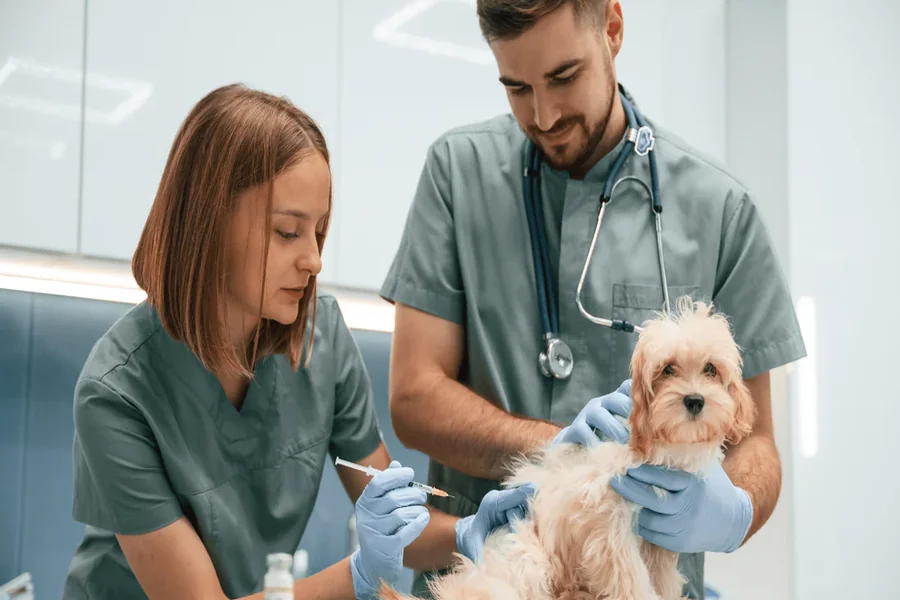
When your pet needs surgery, anesthesia can feel like a cold word. It means risk. It means trust. You want to know exactly what happens when your pet is not awake and cannot speak. This blog explains how animal hospitals handle high-risk anesthesia cases so you know what questions to ask and what to expect. You will see how teams prepare, who watches your pet every minute, and what steps protect breathing, heart rate, and pain control. You will also learn what you can share about your pet’s health that can lower risk. Every example is drawn from common hospital practice, from a busy emergency clinic to a quiet Fontana animal doctor. The goal is simple. You should walk into the hospital with clear eyes, steady nerves, and a firm voice ready to speak for your pet.
What “High Risk” Anesthesia Means
You hear “high risk” and think disaster. In many cases, it means extra planning and extra eyes. It often applies when your pet has:
- Heart or lung disease
- Kidney or liver disease
- Very young or very old age
- Obesity or extreme weight loss
- Past bad reactions to drugs
High risk does not mean hopeless. It means the team treats your pet as fragile and plans each step with care.
Careful Checkups Before Anesthesia
Strong planning starts before the day of surgery. The team gathers facts so there are no surprises.
- Full history. You share past illnesses, drugs, and strange events like fainting or seizures.
- Physical exam. The doctor listens to the heart and lungs. The doctor checks gums, weight, and body temperature.
- Lab tests. Blood and urine tests show how organs work. Many hospitals use guidelines from the American Veterinary Medical Association to decide which tests your pet needs.
- Imaging. X-rays or ultrasound may guide care for heart or lung disease.
If tests show great concern, the team may change the plan or suggest a different treatment path.
How Hospitals Lower Anesthesia Risk
Once the team knows your pet’s risks, they build a plan. It covers three simple parts. Before, during, and after anesthesia.
Before Anesthesia
- Set fasting time so the stomach is as empty as is safe.
- Give fluids by vein if your pet is weak or dehydrated.
- Use calm drugs to ease fear and reduce the dose of stronger drugs.
During Anesthesia
- Use tailored drug mixes that fit your pet’s heart, lungs, and organs.
- Place a breathing tube to protect the airway and give oxygen and gas.
- Warm your pet to prevent low body temperature.
After Anesthesia
- Watch breathing and heart rate until your pet can sit or stand.
- Give pain control on a fixed schedule.
- Adjust fluids and oxygen for slow recoveries.
Monitoring That Never Stops
Continuous monitoring is the safety net. A trained staff member stays at your pet’s side from start to finish. Many hospitals also use machines that track key signs every second.
Common Monitoring Steps In High Risk Anesthesia
| What Is Checked | How It Is Checked | Why It Matters
|
|---|---|---|
| Heart rate and rhythm | Stethoscope and ECG | Finds slow, fast, or uneven beats early |
| Blood pressure | Cuff with monitor | Shows blood flow to the brain and organs |
| Oxygen level | Pulse oximeter on tongue or paw | Warns of low oxygen before color changes |
| Breathing | Capnography and chest checks | Shows how well lungs move air |
| Body temperature | Rectal or esophageal probe | Prevents low or high temperature |
Each change in numbers prompts a fast response. The team may change gas levels, give drugs, or adjust fluids.
High Risk Pets Need Tailored Plans
Different risks call for different tactics. Three common examples show how plans change.
- Senior dogs. The team chooses slow, gentle drugs and close blood pressure checks.
- Brachycephalic breeds. Short nosed pets often need early breathing tubes and longer recovery monitoring.
- Pets with organ disease. Drug type and dose change to protect kidneys and liver.
Many hospitals follow safety steps similar to those shared by the U.S. Food and Drug Administration for dogs and cats. You can read these before your visit and bring notes.
Your Role Before and After Surgery
You protect your pet by sharing honest details. You should:
- List all drugs, supplements, and treats.
- Tell the team about coughing, fainting, or changes in thirst.
- Follow fasting and drug instructions exactly.
After surgery you help by:
- Watching breathing, gum color, and energy at home.
- Giving pain drugs on time.
- Calling the clinic if anything feels wrong, even if it seems small.
When You Should Ask Hard Questions
You have the right to clear answers. You can ask:
- Who will watch my pet every minute
- What monitoring tools you will use
- What will you do if my pet’s blood pressure drops
- How you will manage pain after surgery
Direct questions show strong love. They also help the team plan.
Key Points To Remember
High-risk anesthesia is stressful, yet not rare. With careful exams, tailored drug plans, and constant monitoring, many fragile pets pass through surgery and wake up to more time with you. You cannot erase risk. You can face it with knowledge, clear questions, and a trusted team that treats your pet as precious.