
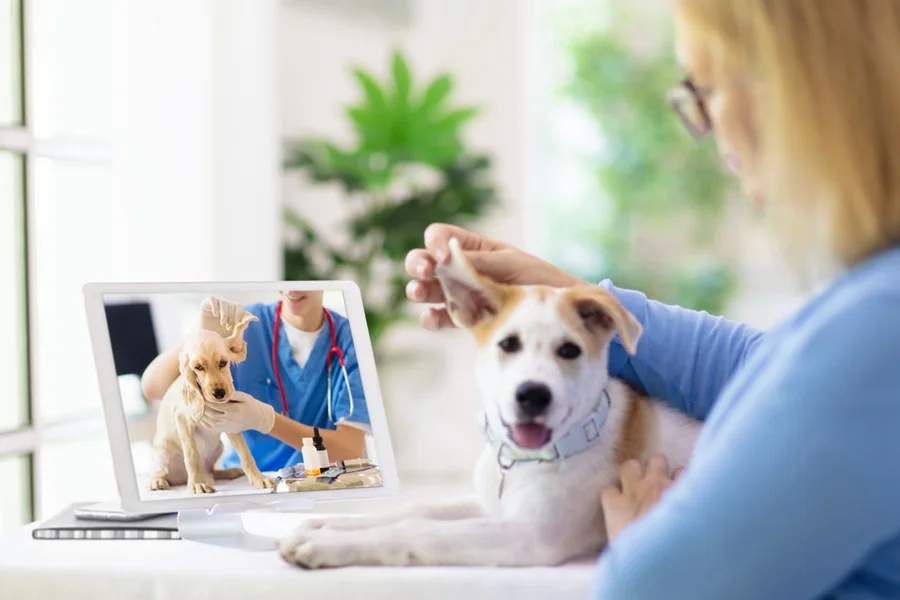
If your pet hates car rides, shakes in the waiting room, or becomes impossible to handle the second a carrier appears, you already know why Annapolis mobile vet care sounds appealing. You also may have hesitated, because a lot of people still assume house call vet care is either a luxury, too limited, or only useful in special cases. That confusion keeps pet owners stuck with care that feels harder than it should.
The short version is simple. Mobile veterinary practices are real medical services, not a watered down version of clinic care. They are not right for every emergency or every procedure, but they can be an excellent fit for exams, diagnostics, chronic disease management, quality of life care, and pets who do far better at home. Once you sort through the myths, the choice gets clearer.
Mobile veterinary care is not just a luxury convenience
One of the biggest myths is that a mobile veterinarian is only for people who want a premium experience. That misses what home based care actually solves. For many families, getting to a clinic is the hard part. An older dog may struggle to get in and out of the car. A cat may skip routine care for years because every visit turns into a full day of fear, hiding, and scratched arms. A client with several pets, limited transportation, or a packed work schedule may delay care until a small issue becomes expensive.
That delay matters. Preventive care is easier and cheaper than crisis care. Access is part of health care, which is why programs focused on access to veterinary care keep getting more attention. Mobile services can remove barriers that stop pets from being seen at all. That is not indulgence. That is practical medicine.
Cost also gets misunderstood. Some house call services do charge more than a standard office visit, often because travel time limits how many appointments can be seen in a day. Even so, the total value can be better than people expect when you factor in less missed work, less stress, and earlier treatment. A calm exam at home can also give the veterinarian a more accurate picture of your pet’s normal behavior, mobility, appetite, and environment.
Mobile veterinary practices are not low capability medicine
Another common belief is that mobile vets can only offer basic wellness checks and vaccinations. In reality, many provide much more. Depending on the practice, services may include physical exams, lab collection, chronic disease monitoring, skin and ear treatment, senior pet care, hospice support, in home euthanasia, and some imaging or point of care testing.
The limit is not competence. The limit is logistics. If your pet needs major surgery, advanced imaging, hospitalization, or oxygen support, a brick and mortar hospital is the right setting. Good mobile practices are clear about that. They know what can be done safely at home and when referral is the safer choice.
This is where people get frustrated, because they hear “mobile” and assume “less professional,” then hear “referral” and assume the mobile vet could not handle the case. That is not how medicine works. A strong veterinarian knows the line between home care and hospital care and acts before your pet loses time. Cornell’s ambulatory client guidelines show how structured and professional mobile and field service expectations can be.
Home visits are often better for anxious, senior, and fragile pets
Some owners worry that pets need the clinic setting to get a proper exam. For many animals, the opposite is true. Stress changes everything. Heart rate climbs. Breathing changes. Fear based aggression shows up. A cat who shuts down at the hospital may act normal on the couch. A senior dog may move more naturally across your own floor than across a slick exam room surface.
This matters when the concern is subtle. Maybe your dog has slowed down on stairs, but only at home. Maybe your cat’s litter box setup or food station is part of the problem. An in home visit lets the veterinarian see what you are seeing, rather than trying to recreate it in a clinic where your pet is already overwhelmed.
Common myths about mobile vets often come from comparing the two models as if one must replace the other. In real life, they often work together. Many families use mobile veterinary care for routine and quality of life support, then use a hospital for surgery or emergencies. That is not a compromise. That is a thoughtful care plan.
Mobile veterinarians are part of the larger veterinary care system
A final misconception is that mobile practices are isolated or less connected to the profession. The opposite is often true. Access to veterinary services is a recognized need across the country, and support for underserved areas has become a policy issue, not just a business choice. The USDA’s Veterinary Services Grant Program exists because communities need more ways to get animals proper care.
That broader context matters. A mobile veterinarian is not working outside the system. They are often filling a care gap inside it, especially for seniors, rural clients, multi pet households, and pets whose stress makes clinic visits harder than owners can manage.
Clinic visits and mobile veterinarian services solve different problems
| CARE SETTING | OFTEN BEST FOR | POSSIBLE DRAWBACKS |
| Mobile veterinary practice | Routine exams, anxious pets, senior pets, chronic disease follow ups, quality of life care, home environment assessment | Limited for surgery, hospitalization, advanced emergency care |
| Traditional veterinary clinic | Emergency treatment, surgery, dental procedures, advanced imaging, intensive monitoring | Travel stress, waiting room anxiety, harder handling for fearful pets |
| Combined approach | Families who want lower stress routine care with hospital backup when needed | Requires clear records and communication between providers |
Clear steps help you decide if a mobile vet is the right fit
1. Match the service to your pet’s real needs. If your pet needs surgery, emergency stabilization, or overnight monitoring, start with a hospital. If the issue is routine care, mobility decline, skin trouble, medication checks, or end of life support, a mobile veterinarian may be the better first call.
2. Ask what the practice can do at home and when they refer out. Good answers are specific. You want to know what diagnostics are available, how prescriptions are handled, what happens after hours, and which local hospitals they work with if your pet needs more than an in home visit can provide.
3. Think beyond price and look at total cost. Add up missed work, transport time, stress injuries, delayed care, and how hard it is to repeat clinic visits when your pet melts down every time. The cheaper appointment is not always the lower cost choice.
Your pet does not need care that looks impressive on paper. Your pet needs care you can actually access, follow through on, and trust. A mobile veterinarian can be a smart, grounded option when home is the place your pet feels safest and where the veterinarian can do their best work. If you have been putting off care because the trip feels like too much, now is a good time to reach out and ask what mobile veterinary services can offer for your situation.