
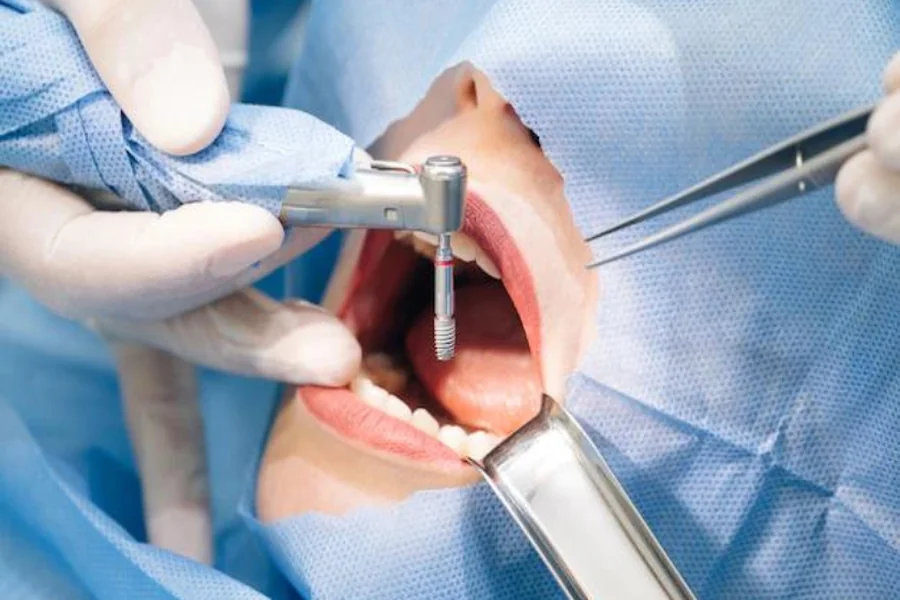
Healing after dental implant surgery can feel scary and uncertain. You want relief. You want to know what comes next. This guide gives you three clear steps so you can protect your implant, lower your pain, and feel steady during recovery. You will learn how to care for your mouth, what to eat, and when to call your dentist. You will also see how simple daily habits protect the time and money you already invested. Many people in family dentistry in Wichita Falls share the same worries. Will it hurt for long. Will the implant fail. Will life feel normal again. You deserve honest answers and a clear plan. With the right care, your body can heal. Your implant can stay strong. Your smile can feel secure again.
Step 1: Protect the blood clot and control pain
The first day sets the tone for healing. Your body forms a blood clot around the implant. That clot protects the bone and gum. If it breaks, you risk bleeding, infection, and deep pain.
Use these actions right after surgery.
- Bite on the gauze as directed to control bleeding
- Keep your head raised when you rest or sleep
- Use cold packs on the cheek in short sessions
- Take pain medicine and any antibiotic exactly as prescribed
- Avoid rinsing, spitting, or touching the implant site
- Do not smoke or vape
The National Institute of Dental and Craniofacial Research explains that early clot damage can lead to dry socket. That problem causes sharp pain that spreads to the ear or eye. You reduce that risk when you rest, protect the clot, and avoid suction from straws or hard spitting.
Use this simple timeline as a guide.
| Time after surgery | What you may feel | What you should do |
| First 24 hours | Oozing blood and steady soreness | Keep gauze in place, use cold packs, rest, take medicine |
| Days 2 to 3 | Swelling and bruise near the cheek | Switch to warm compress if advised, eat soft food, drink water |
| Days 4 to 7 | Mild soreness when you chew or brush | Ease back into normal brushing, keep food away from the implant side |
If pain grows stronger after day three, or bleeding starts again, call your dentist right away.
Step 2: Clean your mouth without harming the site
Clean teeth help your body fight germs. That support protects the bone around the implant. Poor cleaning raises the risk of infection and implant loss.
Start with these three habits.
- Brush all teeth except the implant site the first day
- From day two, brush gently near the surgery with a soft brush
- Rinse with warm salt water as directed
The Centers for Disease Control and Prevention links poor mouth care to gum disease and tooth loss. An implant needs the same daily care as a natural tooth. That care often needs even more focus while you heal.
Use this cleaning guide.
- Morning. Brush teeth for two minutes. Avoid hard scrubbing near the implant
- Midday. Rinse with salt water after meals to wash away food
- Night. Brush again. Gently clean the tongue and inside cheeks
Do not use mouthwash that burns unless your dentist tells you to use it. The burning can irritate tender tissue. Plain warm salt water feels calmer and still cleans well.
As the gum heals, your dentist may add small brushes or floss made for implants. Follow that plan even when the implant feels normal. Quiet daily work now prevents painful surgery later.
Step 3: Eat and live in a way that supports healing
Your body rebuilds bone around the implant. That work needs steady fuel and limited stress. Food, sleep, and movement all shape the final result.
First, focus on what you eat.
- Choose soft food like yogurt, eggs, mashed beans, and soft-cooked pasta
- Chew on the side without the implant
- Avoid chips, nuts, crusty bread, and sticky candy
- Drink water often
- Skip alcohol while you take pain medicine or antibiotics
Here is a simple comparison of better and worse choices.
| Food or drink | Better choice | Reason it helps |
| Breakfast | Oatmeal or scrambled eggs | Soft texture and steady protein |
| Snack | Yogurt or a ripe banana | Easy to chew and swallow |
| Drink | Water or milk | Hydrates without sugar or acid |
| Dessert | Soft pudding or applesauce | Gentle on gum and teeth |
Next, support your body with rest and movement.
- Sleep with your head raised for the first few nights
- Avoid heavy lifting for a few days
- Take short walks to keep blood moving
Finally watch for warning signs.
- Strong pain that does not ease with medicine
- Fever or chills
- Pus, foul taste, or strong smell from the site
- Implant feels loose or moves
If you see any of these, contact your dentist at once. Quick action can save the implant and protect your health.
Staying on track after the first week
Most people feel much better after one week. That relief can tempt you to rush back to old habits. Your implant still needs care.
Keep these three long-term habits.
- Brush two times a day and clean between teeth every day
- See your dentist for regular checks and cleanings
- Tell your dentist if you grind your teeth or smoke
Routine care is more effective after treatment. You already took a brave step with surgery. Steady care now protects that choice and gives your mouth a strong base for many years.