
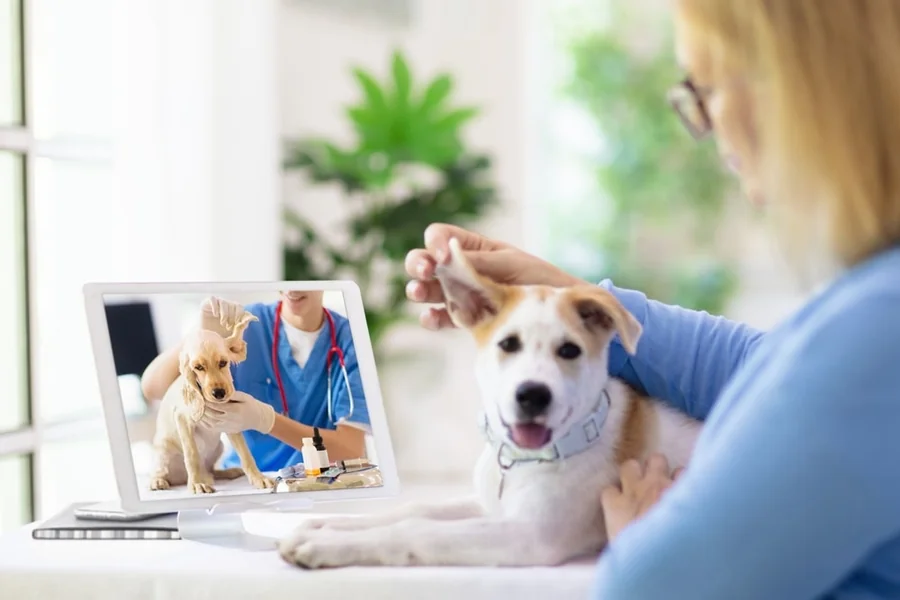
You might be feeling a mix of worry and guilt right now. Your pet needs care, your schedule is packed, maybe your budget is tight, and on top of that, you are trying to figure out whether a video call with a veterinarian can really help. If you’re also searching for spay and neuter in North Little Rock, it can feel even more overwhelming to sort through your options. It can feel risky to try something new when your dog, cat, or other companion is the one who might pay the price if it goes wrong.end
At the same time, you may have noticed that more animal clinics are offering online consultations, follow up visits, and remote check ins. You see the emails and website banners about telehealth and you wonder whether this is about better care for your pet or just another way for clinics to cut corners.
The short answer is that telemedicine is expanding because, when used correctly, it can make care safer, faster, and more humane for both you and your pet. It is not a replacement for hands on exams. It is a tool that, when anchored in a proper veterinarian client patient relationship, can reduce stress, improve follow up, and sometimes prevent emergencies from getting worse.
So where does that leave you as a pet owner trying to decide what to trust and when to use it?
Why are animal clinics pushing telemedicine now, and what does that mean for your pet?
Telemedicine for pets did not suddenly appear out of nowhere. It has been slowly building, but recent years, especially during and after the pandemic, forced clinics to rethink how they deliver care. Many practices were overwhelmed. Waiting rooms were full. Phone lines were jammed with anxious owners. Staff were burned out. Pets were waiting longer for appointments, sometimes with conditions that could not wait.
Because of this pressure, clinics began offering remote consultations where it was safe to do so. They used video and photos to check surgical incisions, adjust medications, and answer behavior questions. They found that many issues did not require a full in person visit every time. For example, a dog with stable arthritis might need regular medication adjustments based on how they are moving at home. A video of that dog walking across the living room can be more informative than a five minute trot across a clinic floor.
Regulators and professional groups noticed this shift too. The concept of a veterinarian client patient relationship, often called a VCPR, became central to the discussion. The U.S. Food and Drug Administration explains how the VCPR connects telemedicine and prescribing in its guidance on veterinarian client patient relationships and telemedicine. In simple terms, telemedicine works best and is safest when your veterinarian already knows your pet, has examined them, and understands their history.
So clinics are not expanding remote care because it is trendy. They are doing it because it allows them to support that existing relationship more consistently. They can check in more often. They can answer questions before they become crises. They can support you when you are at home trying to follow their instructions.
What problems is veterinary telemedicine really trying to solve?
It helps to name the specific pain points you may be feeling. Only then does the role of veterinary telehealth services start to make sense.
Think about a few common situations. Your cat is stressed by car rides and becomes aggressive at the clinic. You avoid follow up visits because you hate seeing them so upset. Or you work long hours. Clinic appointments during the day mean lost wages or scrambling for coverage. Or you live far from the nearest practice and each visit is a long trip that your pet hates and you dread.
In each of these cases, traditional care creates real emotional and financial strain. You might delay visits. You might try to manage things on your own. You might turn to online forums or social media instead of a trained veterinarian, not because you do not care, but because getting care feels too hard.
Telemedicine cannot fix everything. It cannot palpate an abdomen through a screen or draw blood from a vein. However, it can lower the threshold for asking for help. A quick video consultation can be enough to decide whether your dog’s limp can wait a day or needs urgent attention. A remote check can confirm that a healing wound looks normal or needs an in person recheck. That clarity can spare you both unnecessary stress.
Research supports this more nuanced view. A review in the National Library of Medicine discussed how veterinary telemedicine, when integrated into existing practice, can improve access and continuity rather than replacing physical exams outright. You can explore that discussion in this scientific article on veterinary telemedicine and teleconsulting.
Of course, you might still wonder where the boundaries are. When is remote care appropriate. When is it unsafe.
How do clinics balance convenience, safety, and regulations with telemedicine?
Animal clinics are under pressure from multiple directions. You want fast, flexible access. Your veterinarian wants to protect your pet’s safety and their license. Regulators and professional bodies set rules to keep care standards high. Because of this tension, responsible clinics follow guidelines rather than improvising.
The American Animal Hospital Association and the American Veterinary Medical Association have published joint guidance to help practices decide when and how to use telehealth. That guidance emphasizes that remote veterinary care should support the in person relationship, not replace it. You can see how they frame these decisions in the AAHA AVMA telehealth guidelines.
From your side, this means a few things. A clinic that takes telemedicine seriously will be clear about what they can and cannot do remotely. They will explain when a physical exam is required before prescribing or changing medications. They will not promise to handle true emergencies by video. They will also document these visits carefully, just like an in person appointment, which protects you and your pet.
So instead of seeing telemedicine as a cheaper shortcut, it may help to see it as an extra doorway into the same medical system. Sometimes you walk through the virtual doorway for counseling, follow up, or triage. Other times you walk through the physical doorway for exams, tests, or procedures. Both matter.
Telemedicine vs in person vet visits for your pet: how do they compare?
To make this more concrete, it can help to look at common scenarios and how telemedicine and in person visits differ. This is not a rigid rulebook. It is a way to frame your choices and questions.
| Situation | Telemedicine (Video / Phone) | In Person Clinic Visit |
|---|---|---|
| New concerning symptom (vomiting, seizure, collapse) | Possible quick triage if you are unsure what to do, but often not enough on its own | Usually required for physical exam, testing, and immediate treatment |
| Follow up on a known, stable condition | Often ideal for checking response to treatment, reviewing home videos, adjusting plans | Needed periodically to update exams, bloodwork, or imaging |
| Behavior issues or training questions | Very useful for seeing the pet in their home, discussing routines, and coaching owners | Helpful if pain or medical causes are suspected and need physical evaluation |
| Medication refills | Can be managed if a valid VCPR exists and your pet is stable, within legal limits | Required when laws demand a recent physical exam or condition is changing |
| Post surgery incision check | Video or photos can confirm normal healing or flag concerns early | Needed if there is swelling, discharge, pain, or suspected complications |
| End of life discussions and hospice planning | Gives space for private, unhurried conversations at home | Important when assessing pain, mobility, and quality of life in person |
If you keep this kind of comparison in mind, it becomes easier to see that telemedicine is not all or nothing. It is part of a continuum. The key is to work with your clinic to decide which doorway makes sense at each step.
Three practical steps you can take now to use veterinary telemedicine wisely
- Ask your current clinic what telemedicine actually means in their practice
Do not be shy about asking detailed questions. For example, you can ask which types of appointments they offer remotely and which they refuse to do online. Ask how they handle after hours concerns. Ask what technology you need and whether there are extra fees. The way they answer will tell you a lot about how thoughtfully they are using online vet consultations. Clear boundaries are a good sign. Vague promises are not.
- Prepare for telemedicine visits as carefully as in person ones
A remote visit is not a casual chat. To get the most out of it, write down your questions ahead of time. Collect short videos of your pet showing the concerning behavior or movement. Weigh your pet if you can. Have a list of current medications and supplements. Make sure your internet connection and lighting are decent so your veterinarian can actually see what is happening. Preparation turns a ten minute call into something truly useful.
- Use telemedicine for early questions, not last resort emergencies
Telehealth works best when it helps you act sooner, not when it is used as a final attempt to avoid the clinic in a crisis. If you notice a mild change in appetite, a small skin lesion, or a subtle limp, a remote check can help decide whether to watch, treat at home under guidance, or come in. If your pet is struggling to breathe, cannot stand, or is in obvious severe pain, go directly to an emergency clinic and call them on the way. You can always use telemedicine later to follow up and process what happened.
Where does this leave you and your pet?
You are not wrong to feel cautious. Your pet cannot speak for themselves, and you carry the responsibility of their choices. That weight can feel heavy when new models of care appear and you are not sure whose interests they serve.
The good news is that you do not have to choose between remote care and hands on exams. You can use both. You can ask hard questions. You can expect your clinic to explain how telemedicine fits into safe, ethical practice anchored in a real relationship with your pet.
Most of all, you can give yourself some grace. You are trying to do the right thing in a changing system. If you keep your pet’s comfort, timely access to care, and clear communication with your veterinarian at the center of your decisions, you will be using telemedicine exactly as it was meant to be used, as one more way to protect the animal who depends on you.