
The Pap smear is one of the most effective screening tools for cervical cancer. Early detection of cervical cancer can be achieved through regular screenings, giving women an opportunity to take action before it becomes fatal. The important question is, how often should you have your Pap smear? You’ll learn everything you need to know about Pap smears, including when to start, how often you should get them, and why they’re important.
What Is a Pap Smear?
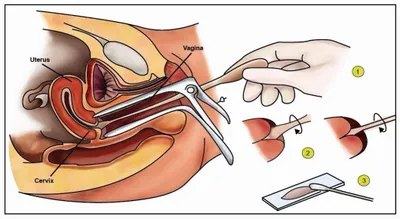
A basic procedure called a Pap smear, or Pap test, is used for cervical cancer screening. By using a small brush or spatula, your healthcare provider gently takes sample cells from your cervix (the lower part of your uterus). An examination using a microscope is then performed to check for abnormalities, such as precancerous or cancerous changes.You can also find out if you have any infections or other problems in the cervical area that may have an impact on your reproductive system and overall well-being through the test.
Why Is a Pap Smear Important?
Cancer in the cervical area usually develops slowly over time, originating from precancerous changes in the cervical cells. Typically before they develop into cancer, a Pap smear can identify these genetic changes early on.
Cervical cancer has been in the Top 4 most common cancer in women worldwide according to the World Health Organization. However, regular screening significantly minimizes the risk. In countries with advanced screening programs, cervical cancer rates and mortality have been reported to have decreased by more than 50% due to early detection using Pap smears.
Pap smears are necessary because they:
- Diagnose cervical cancer in the early stages and is optimal for treatment outcomes.
- Determine any unusual changes in cells that, if neglected, could result in cervical cancer.
- Monitor the results of cervical cancer medical care and therapies.
- Identify any inflammation or ailments that needs treatment
When Should You Start Getting Pap Smears?
Regardless of sexual activity, a significant number of healthcare guidelines advise women to start having Pap smears at the age of 21. This is because screening too early might end up in unnecessary testing and treatments for cervical cancer and precancerous changes, which usually emerge in adulthood.
Nonetheless, your physician could recommend beginning tests sooner if you have certain risk factors, like a compromised immune system or a history of precancerous cervical irregularities.
How Often Should You Get a Pap Smear?
A couple of factors, including your age, medical history, and the conclusions of prior tests, affect the rate at which you need to get Pap smears. According to recent medical studies, the following is a basic guideline for how frequently you should undergo a Pap smear:
- Ages 21-29:
If the initial test results are normal, women in their 20s should get a Pap smear every three years. Unless abnormal cells are found in a Pap smear, routine HPV testing is generally not advised for this age group.
2. Ages 30-65:
Women can have the option to have a Pap test every three years or a Pap test plus HPV testing (co-testing) every five years starting at the age of thirty. The main root cause of cervical cancer is HPV (human papillomavirus), and co-testing adds an additional layer of screening. You are able to postpone your next screening for five years if the results of your HPV test and Pap smear are both normal.
3. Ages 65 and Older:
Women over 65 may discontinue screening completely if their Pap smear results have always been normal and they are not at high risk of developing cervical cancer. In the event that you have previously had abnormal Pap smears, precancerous cells, or cervical cancer, your doctor might advise you to keep on monitoring.
4. After a Hysterectomy:
Pap smears are no longer relevant if you have a hysterectomy (removal of the cervix) and have never had cervical cancer or precancerous cells. As indicated by your physician, you should continue to have periodic Pap smears if your cervix was not removed or if you undergone surgery as a result of cervical cancer.
5. High-Risk Women:
You are susceptible to more frequent Pap smear testing if you have particular risk indicators, such as a weakened immune system (from HIV infection, for example), a smoking history, or a prior diagnosis of precancerous cervical cells. You will receive specific instructions from your healthcare professional regarding a screening schedule.
What Happens If My Pap Smear Is Abnormal?
Cervical cancer is not always diagnosed by an abnormal Pap smear. In reality, infections, inflammation, and other non-cancerous diseases frequently lead to unusual results. In the unlikely circumstance that your Pap smear is abnormal, your physician might suggest further testing, like:
- Colposcopy: A procedure where abnormal cells are inspected more closely by using a magnifying device to examine the cervix.
- Biopsy: During a colposcopy, a tiny tissue sample from the cervix may be extracted for further testing.
- HPV Test: To verify for high-risk virus strains, your doctor may prescribe an HPV test if you haven’t previously had one.
Based on the findings, your doctor will advise the next course of action which may involve treating any abnormal or precancerous cells to stop the spread of cancer or doing more frequent Pap smears to monitor the cells.
How to Prepare for a Pap Smear
Before your doctor’s appointment for Pap smear, it’s helpful to apply the following safety measures to get the most accurate results:
Schedule wisely: Try not to have your screening done while you are menstruating, since this could impact the accuracy of the results. The ideal period typically begins 10 to 20 days after the onset of your previous menstrual cycle.
Avoid sexual activity: For 24 to 48 hours prior to the test, refrain from engaging in sex, using tampons, or putting anything inside the vagina.
Stop applying specific products: Vaginal douches, sprays, and creams should be avoided since they can negatively impact the findings of tests.
Conclusion
Pap smears have a critical role in women’s preventive healthcare because they offer comfort and early cervical cancer detection. You should have routine Pap smears starting at age 21, considering your age, medical history, and risk factors. You may take control of your reproductive health and lower your risk of cervical cancer by keeping up with regular screenings.
To establish a screening program that is most effective for you, be sure to consult with your healthcare provider. Pap smears are among the most effective methods available to combat cervical cancer, and early identification is crucial.
Dr. B Medical Group – Women’s Health | HIV & STD Test Singapore
SBF Center Medical Suites #03-09
160 Robinson Road
+65 8881 2344