
Chronic pain can make everyday activities more difficult, whether it is sitting at work for long hours, exercising regularly or simply carrying out routine tasks at home. Unlike short-term pain that improves as an injury heals, chronic musculoskeletal pain may persist for weeks or months despite rest, medication or other conservative measures. As a result, many people begin looking for non-surgical treatment options that address the underlying cause of their symptoms rather than providing temporary relief alone.
One option that may be recommended for certain tendon and soft tissue conditions is shockwave physiotherapy Singapore. Often combined with a personalised rehabilitation programme, this treatment aims to support recovery and improve function for suitable patients. In this article, you’ll learn how shockwave physiotherapy Singapore works, the chronic conditions it may help manage, what to expect during treatment and whether it could be an appropriate option for your recovery.
What Is Shockwave Physiotherapy?
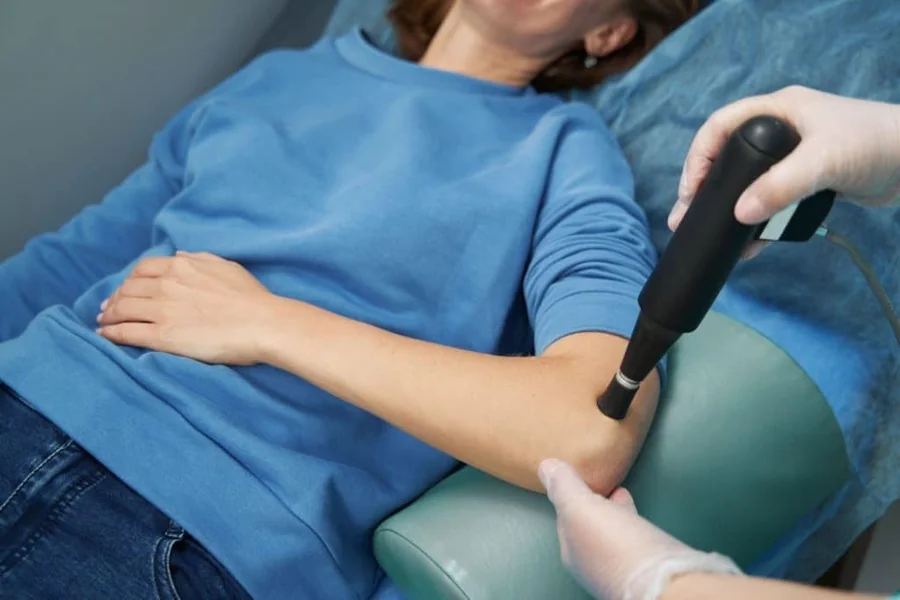
Shockwave physiotherapy refers to the use of extracorporeal shockwave therapy (ESWT) as part of a physiotherapy treatment plan for certain musculoskeletal conditions. During treatment, a handheld device delivers controlled acoustic waves to the affected area. These waves stimulate the body’s natural healing processes by encouraging tissue repair, improving blood circulation and promoting remodelling of damaged tendon or soft tissue.
Rather than being used as a standalone treatment, shockwave therapy is typically combined with other physiotherapy interventions such as strengthening exercises, stretching, mobility training and activity modification. Before treatment begins, your physiotherapist will carry out a thorough assessment to identify the source of your pain, determine whether shockwave therapy is suitable and develop a personalised rehabilitation plan based on your condition, symptoms and recovery goals.
Can Shockwave Physiotherapy Help Chronic Pain?
For some people with chronic musculoskeletal pain, shockwave physiotherapy may form part of a comprehensive rehabilitation programme. It is most commonly recommended for long-standing tendon and soft tissue conditions that have not responded well to rest, activity modification or other conservative treatments. Rather than masking pain, the treatment aims to stimulate the body’s natural healing response to support tissue recovery over time.
Research suggests that the acoustic waves used during shockwave therapy may encourage increased blood flow, promote tissue remodelling and reduce pain sensitivity in the affected area. These effects can help improve movement and function, making it easier to return to daily activities, work or sport. However, the effectiveness of treatment depends on factors such as the underlying condition, the severity and duration of symptoms and how well the individual follows their rehabilitation programme.
It is also important to have realistic expectations. While some people notice an improvement after one or two sessions, others experience gradual progress over several weeks. Combining shockwave therapy with targeted exercises and advice from a physiotherapist often plays an important role in achieving the best possible outcomes.
Which Chronic Conditions May Benefit from Shockwave Physiotherapy?
Shockwave physiotherapy is commonly used to manage chronic tendon and soft tissue conditions that have not improved with conservative treatment. These include plantar fasciitis, tennis elbow, golfer’s elbow, Achilles tendinopathy, patellar tendinopathy (jumper’s knee) and calcific shoulder tendinopathy. It may also be recommended for greater trochanteric pain syndrome, a condition that causes pain around the outer hip.
Many of these conditions develop from repetitive strain or overuse, leading to persistent pain and reduced function. By stimulating the body’s natural healing response, shockwave therapy may help reduce symptoms and improve mobility for suitable patients. However, not every chronic pain condition is appropriate for this treatment. A thorough physiotherapy assessment is essential to identify the underlying cause of pain and determine whether shockwave therapy is likely to be beneficial.
What Happens During Shockwave Physiotherapy Treatment?
Your first appointment usually begins with a detailed assessment, during which the physiotherapist will discuss your symptoms, medical history and daily activities before examining the affected area. This helps identify the source of your pain and determine whether shockwave therapy is suitable for your condition.
If recommended, a handheld device is applied to the painful area to deliver controlled acoustic waves. Treatment typically takes between 5 and 15 minutes, depending on the size and location of the affected tissue. You may feel mild discomfort during the procedure, but it is generally well tolerated.
Who Is a Suitable Candidate for Shockwave Physiotherapy?
Following a comprehensive assessment, your physiotherapist will determine whether this treatment is appropriate based on your condition, symptoms and recovery goals. You may be a suitable candidate if you:
- Have chronic tendon or soft tissue pain lasting several weeks or months
- Have not experienced sufficient improvement with physiotherapy, rest or medication
- Have conditions such as plantar fasciitis, tennis elbow, Achilles tendinopathy or calcific shoulder tendinopathy
- Prefer to explore a non-surgical treatment option before considering more invasive procedures
- Are willing to follow a personalised rehabilitation programme, including exercises and activity modifications
Shockwave therapy is not suitable for everyone, and its effectiveness depends on the underlying cause of your pain. A thorough physiotherapy assessment is essential to confirm the diagnosis and recommend the most appropriate treatment plan for your individual needs.
Conclusion
Shockwave physiotherapy may be an effective treatment option for certain chronic tendon and soft tissue conditions when incorporated into a personalised rehabilitation programme. While it is not suitable for every type of chronic pain, a thorough assessment can help identify the underlying cause of your symptoms and determine whether this treatment is appropriate.
Early assessment and targeted rehabilitation may help reduce pain, improve mobility and support a return to your everyday activities. Whether you’ve been struggling with heel pain, tendon injuries or long-standing musculoskeletal discomfort, our clinic is here to help. Book a call today to learn more about shockwave physiotherapy, at