
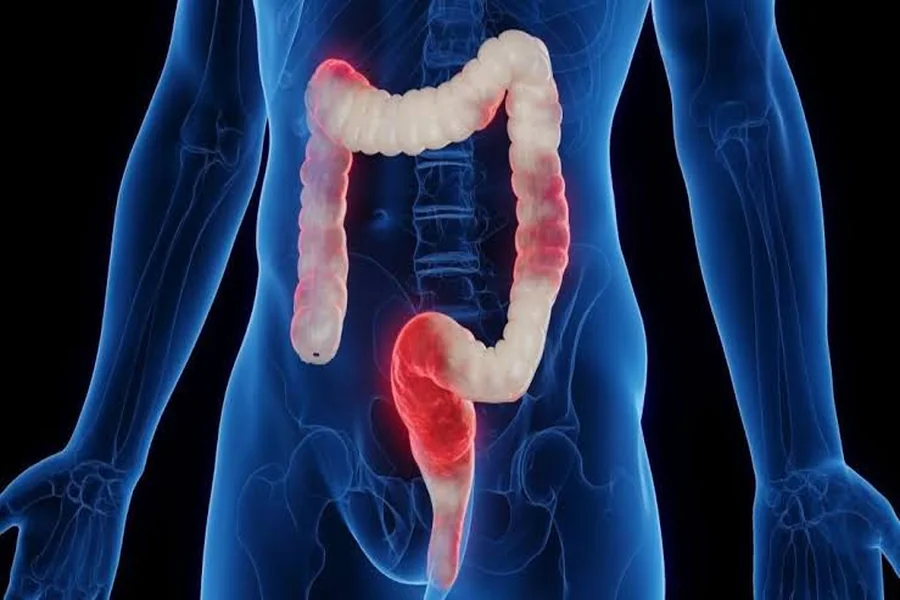
 Rectal bleeding can be caused by relatively common conditions such as haemorrhoids or anal fissures, but it may also be linked to conditions affecting the colon or rectum. The colour, amount and frequency of bleeding can provide useful clues about its possible source. However, these signs alone may not be enough to determine the cause, and self-diagnosis can sometimes delay appropriate assessment.
Consulting a colon specialist Singapore can help identify the reason for unexplained or recurring bleeding. A consultation with a colon specialist in Singapore may include a review of symptoms and medical history, a physical examination and, where appropriate, further investigations to establish the underlying cause.
Common Causes Of Rectal Bleeding
Rectal bleeding can have several causes. While some are relatively common and treatable, others may require further investigation. Possible causes include:
- Haemorrhoids: Swollen blood vessels around the anus or lower rectum that may cause bright red blood, particularly after passing stools.
- Anal fissures: Small tears in the anal lining that can cause bright red bleeding and pain during or after bowel movements.
- Diverticular disease: Small pouches that develop in the colon can occasionally bleed.
- Inflammatory bowel disease: Conditions such as Crohn’s disease and ulcerative colitis can cause inflammation and bleeding in the digestive tract.
- Colorectal polyps: Growths in the colon or rectum that may bleed and sometimes require removal.
- Colorectal cancer: Bleeding can sometimes be an early sign, especially when accompanied by changes in bowel habits, abdominal discomfort or unexplained weight loss.
Because these conditions can produce similar symptoms, unexplained or recurring bleeding should be assessed by a medical professional.
What Different Types of Rectal Bleeding May Indicate
The appearance of blood can sometimes provide clues about where bleeding may be coming from, although it cannot confirm the underlying cause. Common patterns include:
- Bright red blood: Often seen on toilet paper, around the stool or in the toilet bowl. It may be associated with haemorrhoids or anal fissures, although other causes are possible.
- Blood mixed with stools: This may indicate bleeding from further inside the colon or rectum and may warrant further assessment.
- Dark or black stools: Black, tarry stools can sometimes indicate bleeding higher up in the digestive tract and should be medically assessed.
- Occasional versus recurring bleeding: A single episode may have a different cause from bleeding that continues or repeatedly returns.
The amount of blood also matters. Heavy bleeding, persistent bleeding or bleeding accompanied by symptoms such as dizziness, weakness or severe abdominal pain requires prompt medical attention.
When Should You See A Colon Specialist Singapore?
Not every episode of rectal bleeding indicates a serious condition, but unexplained or recurring bleeding should not be ignored. Speaking to a colon specialist Singapore may be appropriate if the bleeding continues, returns frequently or occurs alongside other changes in bowel health. Consider arranging a medical assessment if you experience:
- Recurring rectal bleeding without an obvious cause
- Blood mixed with stools rather than only on the toilet paper
- Changes in bowel habits, such as persistent constipation or diarrhoea
- Persistent abdominal pain or discomfort
- Unexplained weight loss or reduced appetite
- A family history of colorectal cancer or polyps
- Persistent changes in stool appearance or frequency
Prompt assessment is particularly important if bleeding is heavy or accompanied by dizziness, fainting, weakness or significant abdominal pain.
How A Colon Specialist Investigates Rectal Bleeding
A consultation typically begins with a discussion about the bleeding and any other symptoms. The doctor may ask about when the bleeding started, how often it occurs, the colour and amount of blood and whether there have been changes in bowel habits. Medical history, medications and family history may also be reviewed.
Depending on the symptoms, a physical examination may be performed, which can include an examination of the anal area or a digital rectal examination. Further tests may be recommended if the cause is not immediately clear. These can include:
- Blood tests to check for signs of anaemia or other concerns
- Stool tests where appropriate
- Colonoscopy to examine the colon and rectum directly
- Imaging tests when additional information is needed
The investigations recommended will depend on the individual’s symptoms, age, medical history and findings during the consultation.
The Role of Colonoscopy In Finding The Cause
A colonoscopy may be recommended when the source of rectal bleeding is unclear or when there are other symptoms that require closer investigation. During the procedure, a flexible camera is used to examine the lining of the rectum and colon for abnormalities such as polyps, inflammation, bleeding sources or suspicious growths.
If a polyp or other abnormal tissue is identified, it may be possible to remove it or take a tissue sample for further laboratory assessment during the same procedure. Colonoscopy can therefore provide more detailed information about the condition of the colon and rectum than symptoms alone. Whether it is appropriate depends on factors such as the patient’s symptoms, medical history and findings during the initial consultation.
Why Early Assessment of Rectal Bleeding Matters
Seeking medical assessment for unexplained rectal bleeding can help identify its cause and determine whether further treatment or monitoring is needed. Some causes, such as haemorrhoids or anal fissures, may be managed with relatively straightforward measures, while conditions such as inflammatory bowel disease, colorectal polyps or colorectal cancer may require further care.
Early assessment can also help address persistent symptoms rather than relying on assumptions about their cause. This is particularly relevant when bleeding keeps returning or occurs alongside changes in bowel habits, abdominal discomfort or unexplained weight loss.
Conclusion
Rectal bleeding can have a range of causes, and persistent or unexplained bleeding should not be dismissed. A medical consultation can help identify the possible source and determine whether further investigations are appropriate.
If you are experiencing unexplained or recurring rectal bleeding, arrange a consultation at our clinic in Singapore. Details below:
Gastrohealth Clinic @ Gleneagles – Dr Bhavesh Doshi | Gastroscopy | Colonoscopy | Health Screening | EUS and ERCP Singapore
6A Napier Rd, #05-35C Gleneagles Hospital Annexe Block, Singapore 258500
Phone: +65 6355 5773