
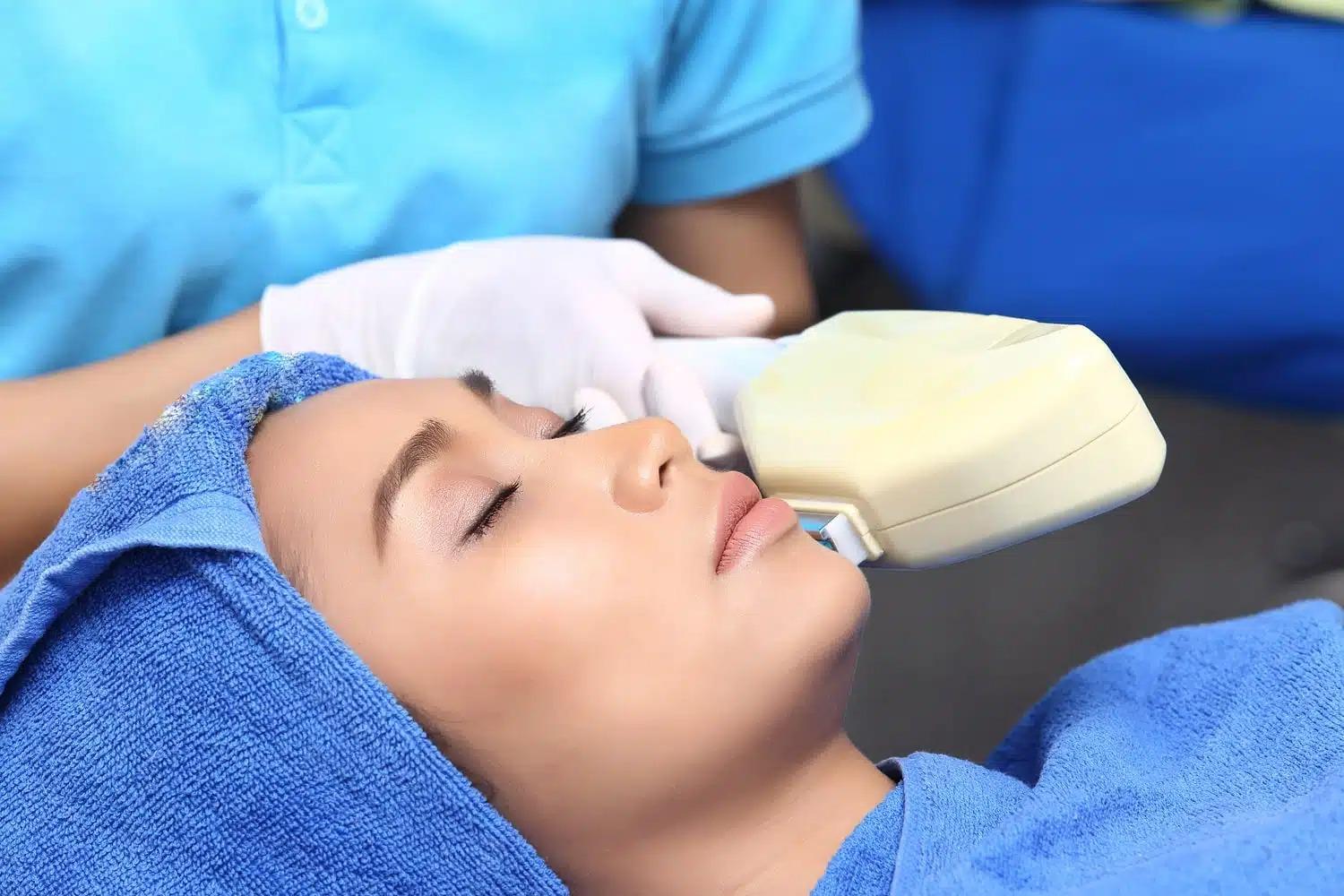
In recent years, there has been a noticeable shift towards non-invasive aesthetic treatments as more patients seek effective ways to look refreshed without surgery or extended downtime. This growing demand has led to the rise of options like the HIFU facelift Singapore, which uses focused ultrasound energy to lift and tighten the skin without incisions.
Widely offered across aesthetic clinics, HIFU appeals to individuals who want gradual, natural-looking improvements with minimal disruption to their daily routine. At the same time, many patients researching treatments are also concerned about factors such as pricing and value, often comparing options like the HIFU facelift cost in Singapore before making a decision.
This brings up an important question for those considering treatment: can HIFU truly replace a traditional surgical facelift, or does it serve a different purpose altogether?
What Is a HIFU Facelift and How Does It Work?
A HIFU (High-Intensity Focused Ultrasound) facelift is a non-invasive treatment that uses focused ultrasound energy to target the deeper layers of the skin, including the foundational SMAS layer that is also addressed in surgical facelifts. By delivering controlled heat at precise depths, HIFU stimulates the body’s natural collagen production process, leading to gradual skin tightening and lifting over time.
One of the key advantages of HIFU is that it works without needles or incisions, making it an attractive option for patients who want visible improvement with minimal downtime. The treatment is commonly used to address areas such as the cheeks, jawline, neck, and under the chin, helping to improve mild to moderate skin laxity and redefine facial contours.
Results from a HIFU facelift are not immediate, as collagen regeneration takes time. Most patients begin to notice subtle lifting effects within a few weeks, with continued improvement over two to three months. This gradual enhancement is often preferred by individuals who want natural-looking results without the dramatic changes associated with surgery.
What Does a Surgical Facelift Involve?
A surgical facelift, also known as a rhytidectomy, is a more invasive procedure designed to address moderate to severe signs of ageing. Unlike HIFU, which works by stimulating collagen, a surgical facelift physically lifts and repositions the underlying facial tissues while removing excess skin to create a firmer, more youthful appearance.
During the procedure, incisions are typically made around the hairline and ears, allowing the surgeon to access deeper structural layers such as the SMAS. These tissues are tightened and repositioned before the skin is redraped smoothly over the face. This approach enables more significant correction of sagging in areas like the cheeks, jawline, and neck.
While the results of a surgical facelift are often more dramatic and long-lasting compared to non-invasive treatments, they also come with a longer recovery period. Patients can expect swelling, bruising, and downtime that may last a few weeks, along with the usual risks associated with surgery. As such, it is typically considered by individuals seeking more substantial and immediate rejuvenation.
Key Differences: HIFU Facelift vs Surgical Facelift
When considering a HIFU facelift Singapore versus a traditional surgical facelift, it’s essential to understand how they differ in results, downtime, risks, and cost. The table below provides a clear comparison:
| Feature | HIFU Facelift | Surgical Facelift |
| Results | Subtle, gradual lifting and tightening; best for mild to moderate sagging | Dramatic, immediate lifting; addresses deeper structural sagging |
| Downtime | Minimal; can resume daily activities almost immediately | Significant; recovery may take several weeks |
| Risks | Low; temporary redness or mild tenderness | Higher; includes infection, scarring, and anaesthesia risks |
| Cost | More affordable | Higher; requires surgical fees and hospital charges |
Who Is Suitable for HIFU Instead of Surgery?
Not every patient is an ideal candidate for a HIFU facelift. Understanding who benefits most can help set realistic expectations and achieve satisfactory results.
Ideal Candidates for HIFU
- Individuals with mild to moderate skin laxity who notice early signs of ageing
- Patients seeking gradual, natural-looking lifting rather than dramatic changes
- Those who prefer non-invasive treatments with minimal downtime
- People looking for a preventive or maintenance solution to delay the need for surgery
Patients Who May Not Benefit from HIFU Alone
- Individuals with significant sagging or excess skin
- Patients seeking immediate, dramatic transformation
- Those with structural facial concerns that require deep tissue repositioning
Can HIFU Replace Surgery? A Realistic Perspective
While a HIFU facelift Singapore can produce visible lifting and tightening, it cannot fully replace a surgical facelift. The main limitation lies in the depth and extent of correction, HIFU works primarily on the superficial and mid-dermal layers, stimulating collagen over time, whereas surgery physically lifts and repositions deeper tissues for more dramatic results.
HIFU is best viewed as a non-invasive alternative for patients with mild to moderate skin laxity or those who are not yet ready for surgery. It is effective for gradual improvement, maintenance, and preventive care, but it cannot achieve the same level of transformation as a surgical procedure. Patients with significant sagging or excess skin may eventually require surgery to reach their desired results.
When to Consider Combining or Transitioning Treatments
For many patients, a HIFU facelift can be an effective starting point, but additional treatments may be needed over time to maintain or enhance results. Consider the following scenarios:
- Starting with HIFU before surgery: Patients can begin with HIFU for gradual lifting and collagen stimulation, and later consider surgery if they want more dramatic correction.
- Combination with other non-invasive treatments: HIFU can be paired with dermal fillers, thread lifts, or skin-boosting treatments to improve facial contour and skin texture.
- Progressive rejuvenation plan: Combining treatments allows for a tailored approach, addressing multiple signs of ageing without immediately resorting to surgery.
- Personalised treatment planning: The optimal strategy depends on the degree of sagging, skin quality, and individual expectations for results.
This approach ensures that patients achieve natural-looking improvements while maintaining flexibility in choosing the next step in their facial rejuvenation journey.
Conclusion
A HIFU facelift Singapore offers a safe, non-invasive option for those looking to lift and tighten the skin gradually, especially for mild to moderate sagging. While it cannot fully replace a surgical facelift, it serves as an effective preventive or maintenance treatment and can be combined with other procedures for enhanced results.
Choosing the right approach depends on your goals, skin condition, and lifestyle preferences. To explore how a HIFU facelift can work for you, contact our clinic here: