
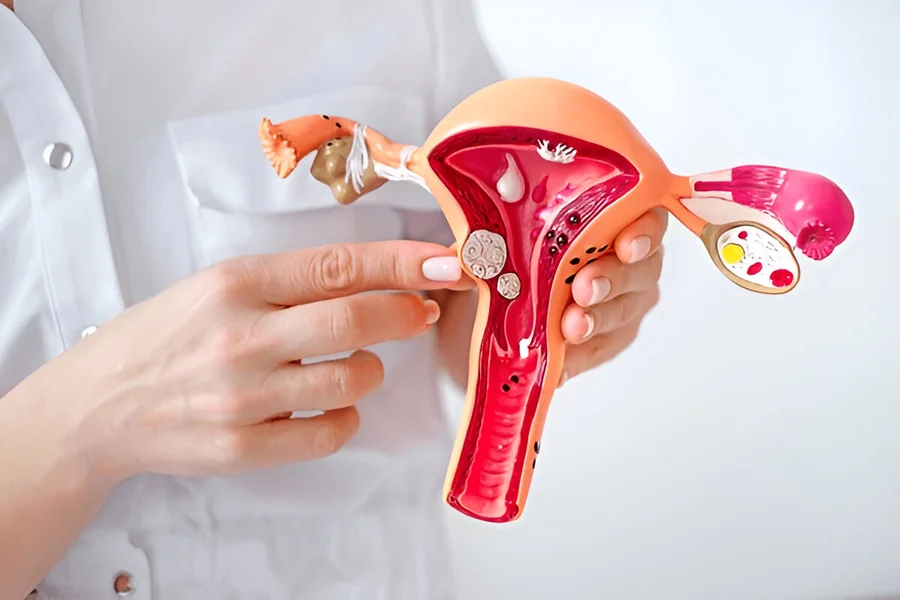
Uterine fibroids are common non-cancerous (benign) growths that develop in the uterus and affect many women, particularly during their reproductive years. Although they are usually not life-threatening, fibroids can vary greatly in size, number, and location, which means their impact on a woman’s health can range from mild to significantly disruptive.
Some women may not experience any symptoms at all, while others may struggle with heavy periods, pelvic discomfort, or pressure symptoms that affect daily life. Because of this wide variation, proper evaluation is important.
A gynae Singapore plays a key role in diagnosing fibroids accurately, assessing their severity, and guiding patients through appropriate management options. If you are looking for a trusted gynae clinic in Singapore, early consultation can help ensure timely diagnosis and personalised care tailored to your symptoms and needs.
Why Fibroids Develop
The exact cause of uterine fibroids is not fully understood, but their development is strongly linked to hormonal influences, particularly oestrogen and progesterone, which help regulate the menstrual cycle. These hormones can stimulate fibroid growth, which is why fibroids often appear or enlarge during a woman’s reproductive years and tend to shrink after menopause when hormone levels decline. Genetics also play a role, as women with a family history of fibroids are more likely to develop them.
Other risk factors may include increasing age (especially in women in their 30s and 40s), being overweight, and certain lifestyle or dietary influences, although these associations can vary between individuals. Importantly, many women may have fibroids without realising it, as they can remain small and symptom-free for years. This is why routine check-ups with a gynae Singapore are important for early detection and monitoring, even when there are no obvious symptoms.
How Fibroids May Present: Signs and Symptoms to Look Out For
The symptoms of uterine fibroids can vary widely depending on their size, number, and where they are located in the uterus. Some women may have no symptoms at all, while others experience changes that significantly affect their daily comfort and menstrual health.
Common symptoms include:
- Heavy or prolonged menstrual bleeding, sometimes with clots
- Pelvic pressure or a feeling of fullness in the lower abdomen
- Abdominal bloating or visible enlargement of the lower tummy
- Frequent urination, especially if fibroids press on the bladder
- Constipation or difficulty emptying the bowels, in some cases
- Pain during intercourse (dyspareunia)
- Lower back or pelvic discomfort
Because these symptoms can overlap with other gynaecological conditions, it is important not to assume fibroids are the cause without proper evaluation. A gynae Singapore can perform the necessary examination and imaging to confirm the diagnosis and rule out other possible causes, ensuring that patients receive the right treatment plan based on their specific condition.
How Fibroids Are Diagnosed
Diagnosing uterine fibroids typically begins with a detailed consultation and pelvic examination, where a gynae Singapore assesses symptoms, menstrual history, and any physical signs such as an enlarged or irregularly shaped uterus. However, because fibroids can vary in size and location, imaging is usually required to confirm the diagnosis.
The most common and first-line investigation is a pelvic ultrasound, which can clearly identify fibroids, their size, number, and position within the uterus. In some cases, a transvaginal ultrasound may be recommended for more detailed imaging. If further clarity is needed, especially for larger or more complex fibroids, additional scans such as an MRI may be used to map the fibroids more precisely.
Early and accurate diagnosis is important, as it helps determine whether treatment is necessary or whether simple monitoring is sufficient. A gynae Singapore will interpret these findings in the context of your symptoms and discuss the most appropriate next steps based on your individual situation.
When Treatment for Fibroids Is Necessary
Not all uterine fibroids require treatment, and in many cases, they can be safely monitored over time. The decision to treat depends on several factors, including the severity of symptoms, the size and growth of the fibroids, their location, and whether they are affecting fertility or daily quality of life.
Treatment is usually considered when fibroids cause:
- Heavy or persistent menstrual bleeding leading to anaemia
- Significant pelvic pain or pressure symptoms
- Rapid fibroid growth over a short period
- Fertility issues or recurrent pregnancy complications
- Bladder or bowel symptoms affecting daily function
In asymptomatic cases, a gynae Singapore may recommend regular monitoring with periodic scans to ensure the fibroids are stable. However, when symptoms begin to interfere with comfort, health, or reproductive goals, active treatment options are discussed and tailored to the individual patient.
Treatment Options: From Medication to Minimally Invasive Procedures
Treatment for uterine fibroids is not one-size-fits-all. The approach depends on symptom severity, fibroid size and location, and whether the patient wishes to preserve fertility. A gynae Singapore will usually recommend a stepwise approach, starting from conservative management before considering procedures or surgery.
Common treatment options include:
- Medical (non-surgical) treatment
- Hormonal medications to help regulate the menstrual cycle
- Medication to reduce heavy menstrual bleeding
- Pain relief for cramping or pelvic discomfort
Note: These treatments help control symptoms but do not usually remove fibroids.
- Minimally invasive procedures
- Uterine artery embolisation to reduce blood supply to fibroids and shrink them
- Other image-guided techniques in selected cases
Note: These are considered when symptoms persist despite medication.
- Individualised treatment planning
- Based on symptom severity and impact on daily life
- Consideration of future pregnancy plans
- Ongoing monitoring for smaller, stable fibroids
A gynae Singapore will discuss these options in detail and recommend a management plan that balances symptom control, recovery time, and long-term reproductive goals.
Conclusion
Uterine fibroids are a common condition among women, especially during the reproductive years, and while they are usually benign, they can still have a significant impact on quality of life when symptoms become more pronounced. From heavy menstrual bleeding to pelvic discomfort and pressure symptoms, the experience can vary widely from one patient to another.
If you are experiencing symptoms suggestive of fibroids or would like a proper evaluation, timely consultation with a gynae Singapore can help you understand your condition and explore the most suitable options. To book a consultation or speak with our clinic, you may contact:
Centre For Endometriosis And Fibroids – A/Prof Fong Yoke Fai | Gynaecologist Singapore
38 Irrawaddy Rd, #05-49 Mount Elizabeth Novena Medical Centre, Singapore 329563
Phone: +65 6334 1981