
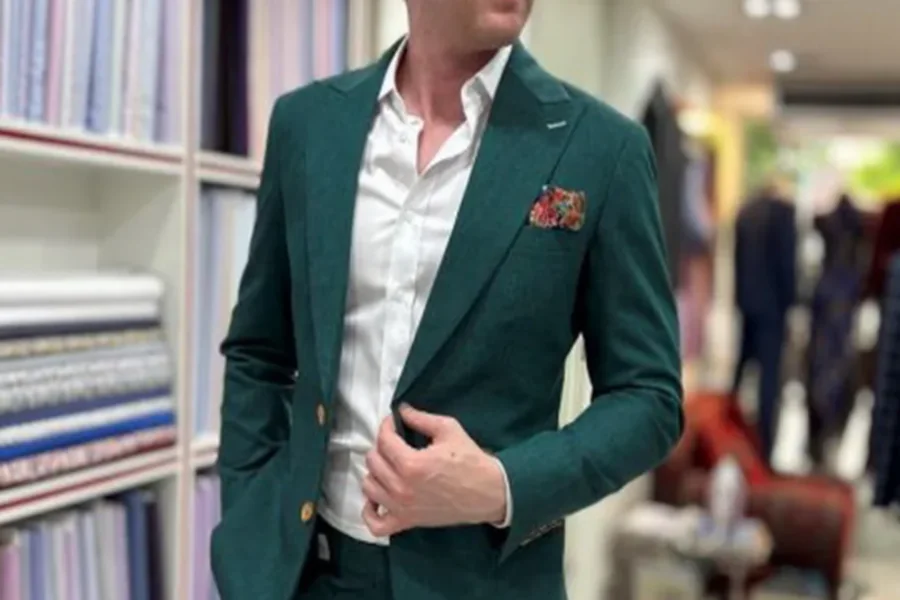
A garment can look polished on a hanger and still feel wrong once it is worn. The reason is simple: clothing is three-dimensional, while standard sizing is built around averages. Made-to-measure clothing addresses that gap by starting with an established pattern and adjusting it to better reflect the wearer’s proportions, preferences, and posture.
The result is not the same as bespoke tailoring, where a pattern may be developed more extensively from scratch, but made-to-measure offers a useful middle ground between ready-to-wear convenience and highly individualized construction. Its value becomes clearest when we look at how fit is actually created.
Measurements Are Only the Beginning
Chest, waist, hips, sleeve length, jacket length, and trouser measurements provide the basic framework. Yet a personal fit requires more than recording numbers. Tailoring professionals also observe shoulder slope, posture, stance, and how the client prefers clothing to feel.
A person with square shoulders may need a different adjustment from someone whose shoulders slope noticeably. One client may prefer a cleaner, closer silhouette, while another values more room for movement. Even trouser rise can affect comfort and proportion far more than many buyers expect. Made-to-measure works because these variables can be incorporated into a controlled system rather than ignored.
Proportion Matters as Much as Size
Many fit problems come from proportion rather than overall size. A jacket can fit around the chest but still look unbalanced if the button position is too high or the length does not suit the wearer. Sleeves may technically be long enough but hang poorly because the armhole and shoulder relationship is wrong.
Made-to-measure clothing fit aims to improve these relationships. The objective is not to make every garment slim. It is to create visual and functional balance. A well-proportioned jacket should frame the torso without pulling. Trousers should follow the body cleanly without excessive tension or unnecessary fullness. These adjustments help clothing feel intentional rather than merely acceptable.
Fittings Turn Theory Into Reality
Measurements are taken while the client is standing still, but clothing is worn while walking, sitting, reaching, and moving through a normal day. A fitting reveals information that a measurement sheet cannot. It shows whether fabric collapses in the wrong place, whether the collar sits against the neck, and whether the garment remains comfortable in motion.
This practical feedback is central to the process. Within the broader made-to-measure menswear tradition, Jhasper Fashion Made-to-Measure can be considered as part of a market where fitting and adjustment are used to translate recorded dimensions into a garment that feels more personal.
Personalization Is Not Just Cosmetic
Made-to-measure often includes visible choices such as lapel width, buttons, pocket styles, linings, and cuff details. These decisions can make the garment more individual, but the most important personalization usually happens in less obvious places.
A client may request additional room through the upper back for comfort. Someone who carries a phone or wallet in a particular pocket may want that feature designed deliberately. A person building a professional wardrobe may prioritize conservative fabrics that coordinate easily, while someone commissioning an event jacket may accept more visual character. Personal fit therefore includes lifestyle as well as body measurements.
Better Fit Can Make Clothing Easier to Wear
One of the most useful benefits of made-to-measure is not appearance alone. Clothing that fits more naturally often requires less attention during the day. A collar that stays in place, trousers that sit at the intended height, and sleeves that move comfortably can reduce the small distractions created by poorly balanced garments.
This does not mean made-to-measure eliminates every possible fit issue. Cloth behaves differently, bodies change, and preferences evolve. What the process offers is a structured opportunity to reduce compromise.
A Personal Fit Is a Relationship Between Choices
Made-to-measure works best when it is treated as a conversation rather than a menu of options. Measurements, fabric, construction, intended use, and aesthetic preference all influence one another. A lightweight cloth may need different expectations from a heavier fabric. A business suit intended for weekly wear should be planned differently from a jacket used only for special occasions.
The value of made-to-measure clothing fit lies in this coordination. It offers a way to move beyond generic sizing without making the process unnecessarily complex. For many wearers, that balance of structure and personalization is exactly what makes the finished garment feel more natural.