
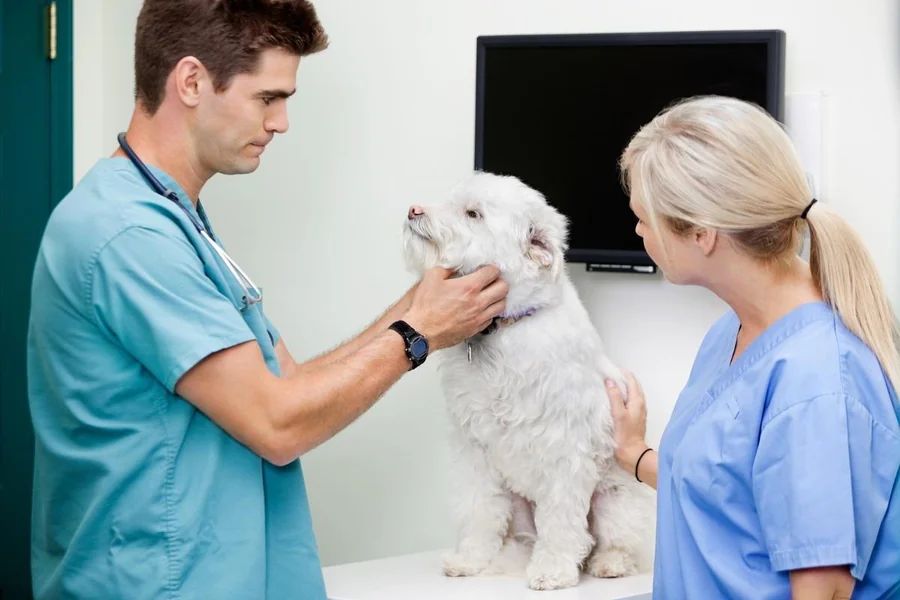
 When your pet is sick, injured, or suddenly getting worse, everything narrows fast. You are watching their breathing, their eyes, the way they stand or refuse to stand, and at the same time you are trying to make smart choices with very little time and a lot of fear. That is usually when the idea of a transfer comes up. Your regular clinic may not have overnight care, advanced imaging, oxygen support, or surgery available right away, but Langston Animal Hospital in Gulf Shores might. The hard part is knowing what to ask before you move your pet.
The short version is this: ask why the transfer is needed, what care will be available on arrival, what the risks are during transport, what records need to go with your pet, what the cost range may be, who will be in charge once you arrive, and what to expect in the first few hours. Those seven questions help you cut through panic and make the next step safer and clearer.
Why a pet transfer to an animal hospital can change the outcome
A transfer is not just a change of address. It is often the difference between basic stabilization and advanced treatment. If your pet needs blood transfusions, continuous monitoring, emergency surgery, or critical care, waiting too long can cost time your pet does not have. Cornell’s emergency and critical care overview shows the kind of hospital level support that may only be available at a larger facility.
The stress comes from the gray area. Your pet may not look “critical” to you, but your veterinarian may see signs that point to rapid decline. A blocked cat can crash. A dog with internal bleeding can still wag its tail. A pet with breathing trouble can worsen during a short car ride. That is why the first question matters so much.
The seven questions that make an emergency pet hospital transfer safer
- Why does my pet need to be transferred now?
You need a direct answer here. Ask what your current clinic can do, what it cannot do, and what risk your pet faces if you stay. The reason may be access to oxygen, surgery, round the clock nursing care, ultrasound, CT, or a specialist.
- Is my pet stable enough to travel?
Transport can be routine, or it can be risky. Ask whether your pet needs pain control, oxygen, IV fluids, a sedative, or other stabilization first. If your pet is having trouble breathing, collapsing, seizing, or bleeding, this question is urgent.
- What should go with my pet?
Do not assume records will magically appear on the other end. Ask for exam notes, lab work, imaging, medication history, and contact details for the referring veterinarian to be sent ahead. That can prevent duplicate testing and save time.
- Who should I expect to see when we arrive?
You may be picturing one doctor taking over immediately, but emergency hospitals often triage first. The most unstable patients go first. Ohio State’s guide on what to expect in the ER explains that reassessment, wait times, and updates are part of the process. Knowing that ahead of time can lower some of the shock.
- What treatment is likely to happen in the first few hours?
Ask what the incoming team may do right away. That could include repeat bloodwork, imaging, oxygen support, pain medication, catheter placement, or surgery prep. If you know the likely first steps, you can give informed consent faster.
- What is the estimated cost range?
This is one of the hardest questions to ask when you are scared, but it matters. Emergency and specialty care can be expensive, and the range may widen if your pet needs hospitalization. Ask for a starting estimate and what could increase it. If finances are tight, say so early. That opens the door to discussing priorities and options.
- Who is the main point of contact after transfer?
Once your pet is admitted, communication can feel scattered. Ask who will call with updates, how often, and who has authority to make decisions if more than one family member is involved. A clear contact plan prevents confusion when emotions are already high.
Common transfer decisions become clearer when you compare the details
| ISSUE | STAY AT CURRENT CLINIC | TRANSFER TO ANIMAL HOSPITAL |
| Monitoring | May be limited to clinic hours or basic observation | Often includes continuous or overnight monitoring |
| Diagnostics | Basic lab work and imaging may be available | Advanced imaging, rapid repeat testing, specialist review may be available |
| Treatment options | Stabilization and routine care | Critical care, surgery, oxygen, transfusion, intensive nursing |
| Transport risk | No travel stress | Travel may worsen unstable breathing, pain, or bleeding cases |
| Cost | Often lower in the short term | Often higher, especially with hospitalization |
This is where questions to ask before moving your pet to a veterinary hospital become more than a checklist. They help you weigh what your pet needs against what the moment can realistically support. If the medical benefit of transfer is high, delaying for too long can become the more expensive choice in every sense.
Preparation lowers risk before the drive to the hospital
If your pet is being transferred, ask for travel instructions that fit their condition. Keep them warm if advised, quiet if stressed, and contained safely. Do not offer food or water unless the medical team says it is okay, especially if surgery may happen. The AVMA’s pet first aid brochure and updated pet first aid guidance are useful for basic emergency handling, but they do not replace direct veterinary instructions.
Emergency pet transfer questions matter most when the situation is changing fast. A pet who looks stable in the exam room may need a very different setup twenty minutes later. That is why clear instructions, sent records, and a call ahead to the receiving hospital are so valuable.
Three steps you can take right away before an animal hospital transfer
Get the reason in one sentence.
Ask the current veterinarian to say plainly why the transfer is needed. “Your dog needs oxygen and overnight monitoring we cannot provide here” is clear. You can act on clear.
Ask for records to be sent before you leave.
Request labs, X rays, ultrasound findings, medication list, and the doctor’s notes. Confirm the receiving hospital has them. This one step can save time, money, and repeat handling for your pet.
Prepare for the first call from the new team.
Have your phone on, keep one decision maker available, and write down your top concerns. If they call with an estimate or urgent consent request, you will be in a better place to respond.
Clear questions give you steadier footing
You do not need to know everything to help your pet well. You need the right facts, the right timing, and a team that tells you the truth. Asking these seven questions before a transfer helps you make a calmer, safer decision when the room already feels too loud and time feels too short. If your pet may need an animal hospital, speak with the veterinary team now and get clear on the next step before the drive begins.