
Arrhythmias are conditions where the heart beats too quickly, too slowly or irregularly due to problems with the heart’s electrical signals that coordinate each heartbeat. While occasional changes in heart rhythm may not always indicate a serious issue, some rhythm disorders, such as atrial fibrillation, atrial flutter and certain types of supraventricular tachycardia, can affect daily activities and may increase health risks if left unmanaged. Symptoms such as heart palpitations, dizziness, fatigue or breathlessness may be signs of an underlying rhythm problem that requires further assessment.
A cardiac electrophysiologist Singapore patients consult can evaluate the cause of abnormal heart rhythms through specialised tests and determine whether treatments such as catheter ablation may be suitable. To better understand why irregular heartbeats happen and when to seek medical attention, read more about the causes of a skipped heartbeat here https://cadenceheart.sg/heart-skipped-a-beat-heres-why-its-not-as-romantic-as-it-sounds/.
What Is Catheter Ablation And How Does It Work?
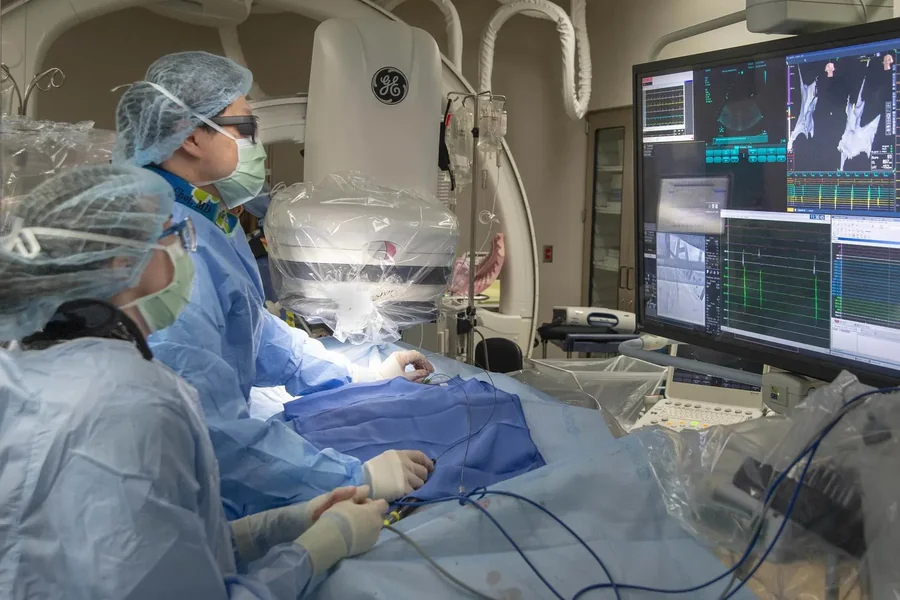
Catheter ablation is a procedure used to treat certain types of abnormal heart rhythms by targeting the areas of the heart that produce or transmit faulty electrical signals. During the procedure, thin flexible tubes called catheters are guided through a blood vessel, usually from the groin, into the heart. A cardiac electrophysiologist uses specialised mapping techniques to identify the source of the irregular electrical activity before applying controlled energy to the affected area.
Depending on the type of arrhythmia being treated, different forms of energy may be used. Radiofrequency ablation uses heat energy to create small areas of scar tissue that block abnormal electrical pathways, while cryoablation uses extreme cold to achieve a similar effect. These carefully placed treatment areas help prevent disruptive electrical signals from causing irregular heartbeats.
The aim of catheter ablation is to restore a more stable heart rhythm, reduce symptoms and improve quality of life for suitable patients. The procedure may be considered for individuals whose arrhythmias continue despite medication or for those who may benefit from an alternative treatment approach. A thorough assessment by a cardiac electrophysiologist Singapore patients consult can help determine whether catheter ablation is an appropriate option based on their specific heart condition.
Conditions That May Be Treated With Catheter Ablation
Catheter ablation may be considered for patients with certain abnormal heart rhythms, depending on the type of arrhythmia, symptoms and overall heart health. The procedure aims to target areas responsible for faulty electrical signals and help restore a more regular heartbeat. Some conditions that may be treated with catheter ablation include:
- Atrial fibrillation (AF): A common heart rhythm disorder where the upper chambers of the heart beat irregularly, which may cause palpitations, fatigue or breathlessness.
- Atrial flutter: A condition where the atria beat rapidly in a more organised but abnormal rhythm.
- Supraventricular tachycardia (SVT): A fast heart rhythm that begins above the heart’s lower chambers and may cause sudden episodes of rapid heartbeat.
- Certain ventricular arrhythmias: In selected cases, catheter ablation may help manage abnormal rhythms originating from the heart’s lower chambers.
A cardiac electrophysiologist Singapore patients consult can evaluate the underlying rhythm problem and determine whether catheter ablation is a suitable treatment option.
What Happens During A Catheter Ablation Procedure?
Before a catheter ablation procedure, patients typically undergo assessments to understand the type and location of the abnormal heart rhythm. These may include an electrocardiogram (ECG), heart imaging tests or an electrophysiology study to evaluate how electrical signals travel through the heart.
During the procedure, catheters are inserted through a blood vessel and carefully guided into the heart. A cardiac electrophysiologist uses specialised technology to map the heart’s electrical activity and identify areas responsible for the irregular rhythm. Once the source is located, targeted energy is delivered to create small areas of scar tissue that help prevent abnormal electrical signals from spreading.
After the procedure, patients are monitored to check their heart rhythm and recovery progress. The duration of recovery and follow-up care may vary depending on the type of arrhythmia treated and individual health factors.
Benefits and Considerations of Catheter Ablation Treatment
Catheter ablation may offer several benefits for suitable patients with abnormal heart rhythms, particularly when symptoms affect daily activities or when medications do not provide sufficient control. Potential benefits include:
- Reducing episodes of irregular heart rhythms and related symptoms such as palpitations, fatigue or breathlessness.
- Improving quality of life by helping patients manage recurring rhythm disturbances.
- Reducing the need for certain medications in some cases, depending on treatment outcomes.
However, catheter ablation may not be suitable for everyone, and outcomes can vary based on the type of arrhythmia and individual health factors.
When Should You See a Cardiac Electrophysiologist Singapore For Arrhythmia Evaluation?
Some heart rhythm changes may be harmless, but recurring or worsening symptoms should be assessed to identify possible underlying causes. Seeking advice from a cardiac electrophysiologist Singapore patients consult may be helpful if you experience symptoms such as:
- Frequent heart palpitations: A sensation of a racing, fluttering or irregular heartbeat that occurs repeatedly.
- Dizziness or fainting episodes: These may occur when abnormal rhythms affect how much blood the heart pumps.
- Shortness of breath: Difficulty breathing, especially during episodes of irregular heartbeats, may require further evaluation.
- Chest discomfort: Unusual sensations in the chest associated with rhythm changes should not be ignored.
Conclusion
Abnormal heart rhythms can affect daily life and may require proper evaluation to understand their cause and suitable treatment options. Catheter ablation can be an option for selected patients with arrhythmias, helping to restore more stable heart rhythm and reduce symptoms.
Consulting a cardiac electrophysiologist Singapore patients trust can provide guidance on diagnosis, treatment choices and ongoing heart rhythm care. Take the next step towards understanding your heart rhythm concerns by booking a call with.