
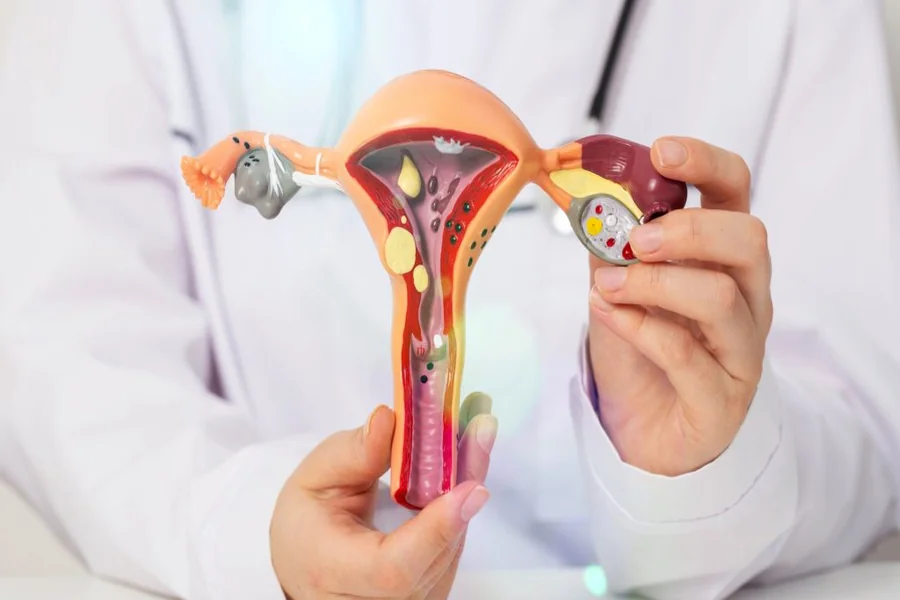
Ovarian cysts are a common gynaecological condition that affect many women during their reproductive years, often discovered incidentally during routine check-ups or scans. In many cases, these fluid-filled sacs on the ovaries are harmless and resolve on their own without treatment, but some can lead to symptoms such as pelvic pain, bloating, or menstrual irregularities, and in certain situations may result in complications that require closer monitoring.
This is why proper assessment and follow-up are important, especially when symptoms persist or worsen. A womens health clinic Singapore plays an important role in providing structured evaluation, accurate diagnosis, and tailored management for such conditions, ensuring women receive appropriate care based on their individual needs.
Many patients first seek reassurance or further information through a trusted womens health clinic in Singapore. Here, investigations, such as ultrasound and clinical assessment can help distinguish between simple cysts and those that may require treatment.
What Are Ovarian Cysts?
Ovarian cysts are fluid-filled sacs that develop on or within an ovary, and they are commonly seen in women of reproductive age as part of normal hormonal activity. Most ovarian cysts are “functional,” meaning they form during the menstrual cycle, such as follicular cysts or corpus luteum cysts, and often resolve naturally without the need for treatment.
However, other types of cysts are not related to ovulation, such as dermoid cysts or cysts associated with conditions like endometriosis, and these may require closer monitoring or intervention. While many ovarian cysts are small and cause no symptoms, understanding their nature is important in determining whether simple observation is sufficient or whether further evaluation is needed at a womens health clinic Singapore.
Common Causes And Risk Factors
Ovarian cysts most often develop as a result of normal hormonal changes within the menstrual cycle, particularly when the follicle does not release an egg as expected or when the corpus luteum does not dissolve as it should. These functional cysts are generally harmless and tend to resolve on their own over time.
However, other underlying conditions can also contribute to cyst formation, and in some cases, medical review is needed to understand the cause more clearly. Common causes include:
- Normal ovulation-related changes (functional cysts)
- Polycystic ovary syndrome (PCOS)
- Endometriosis
- Hormonal medications, including fertility treatments
- Early pregnancy-related changes in the ovary (less common)
Certain women may also have a higher likelihood of developing ovarian cysts, particularly those with ongoing hormonal imbalance or menstrual irregularities. Recognising these risk factors early helps guide appropriate monitoring and reduces the chance of missed underlying conditions. Risk factors include:
- Irregular menstrual cycles
- History of ovarian cysts
- Known hormonal disorders (e.g. PCOS)
- Fertility treatment or ovulation induction
- Chronic pelvic pain or endometriosis
A structured evaluation at a womens health clinic Singapore can help determine whether a cyst is likely functional or linked to an underlying condition that requires further management and follow-up.
Recognising Ovarian Cyst Symptoms
Many ovarian cysts do not cause any symptoms and are only discovered incidentally during routine pelvic examinations or ultrasound scans. When symptoms do occur, they are usually related to the size of the cyst or pressure on surrounding pelvic organs.
Common symptoms include:
- Dull or sharp lower abdominal or pelvic pain
- Bloating or abdominal fullness
- Pain during sexual intercourse
- Irregular menstrual cycles
- Increased urinary frequency or urgency
In some cases, symptoms may be mild and intermittent, while in others they can be more persistent or uncomfortable.
When To Seek Medical Attention
While many ovarian cysts are harmless and resolve on their own, certain symptoms should not be ignored as they may indicate complications such as cyst rupture, torsion, or internal bleeding. Prompt medical attention is important to prevent worsening pain or further issues.
Seek medical attention if you experience:
- Sudden, severe pelvic or lower abdominal pain
- Pain accompanied by nausea or vomiting
- Fever or signs of infection
- Fainting, dizziness, or weakness
- Rapidly increasing abdominal swelling or persistent bloating
These symptoms may suggest an urgent gynaecological condition that requires immediate assessment.
Diagnosis at a Womens Health Clinic Singapore
At a womens health clinic Singapore, the evaluation of suspected ovarian cysts begins with a detailed medical history and discussion of symptoms, including pain pattern, menstrual changes, and any associated discomfort. This is followed by a clinical examination to assess for abdominal or pelvic tenderness.
To confirm the diagnosis and understand the nature of the cyst, the following investigations are commonly used:
- Pelvic ultrasound scan to visualise the ovaries and characterise the cyst (size, type, and features)
- Pregnancy test in appropriate cases to rule out pregnancy-related causes
- Blood tests such as tumour markers when the cyst appears complex or has suspicious features
Most ovarian cysts are benign and can be clearly identified through ultrasound. In many cases, reassurance is provided after initial assessment, while some patients may require follow-up scans to monitor changes over time.
Treatment Options
Treatment for ovarian cysts depends on the cyst type, size, symptoms, and whether there are any concerning features on imaging. In many cases, no immediate intervention is required, especially for simple functional cysts, as these often resolve spontaneously over one to three menstrual cycles.
Common treatment options include:
- Watchful waiting: Regular follow-up with repeat ultrasound scans to monitor the cyst for changes in size or appearance
- Pain management: Simple pain relief medications to help manage discomfort or pelvic pain
- Hormonal therapy: Oral contraceptives may be considered in some cases to help regulate ovulation and reduce the risk of new functional cysts forming
- Surgical management: Laparoscopic cyst removal may be recommended if the cyst is large, persistent, growing, or has suspicious features
Conclusion
Ovarian cysts are common in women of reproductive age and, in most cases, are benign and self-limiting. However, understanding the symptoms, causes, and when to seek medical attention is important to ensure timely diagnosis and appropriate care. With the right assessment and follow-up, most cysts can be managed safely and effectively, whether through observation, medication, or surgical options when necessary.
If you are experiencing persistent pelvic pain, irregular cycles, or symptoms suggestive of an ovarian cyst, early evaluation can help provide clarity and peace of mind. To arrange a consultation or make an enquiry, you may contact:
Dr Ma Li Clinic For Women & Advanced Pelvic Surgery – Gynaecologist | Endometriosis Singapore
3 Mount Elizabeth, #09-08 Medical Centre, Singapore 228510
Phone: +65 6022 0933