
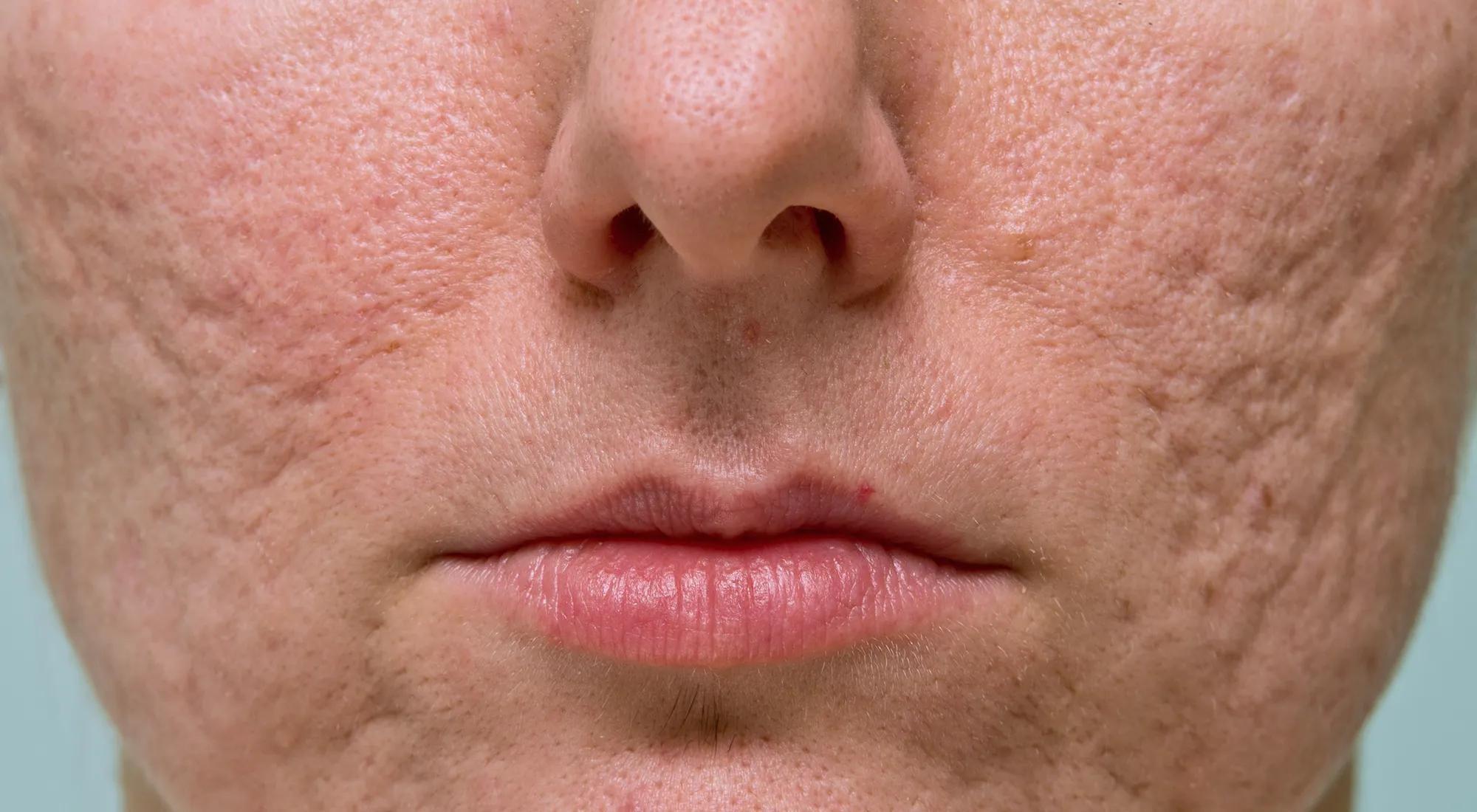
Teenage acne scars are a common but often underestimated consequence of acne in adolescents. While teenage acne is a normal part of puberty due to hormonal changes, it is not always harmless when left unmanaged or improperly treated.
In many cases, inflammation from persistent breakouts can lead to long-term skin changes, including permanent scarring and post-inflammatory pigmentation that may take months or even years to fade. The risk of scarring increases when acne is not treated early, is picked or squeezed, or becomes more severe over time.
This is why early intervention and proper skincare management are essential in reducing long-term damage. Preventing scars is significantly easier than treating them later, once structural changes to the skin have already occurred. Learn more about the management options here https://apaxmedical.com/preteen-acne-treatment-singapore/.
What Are Teenage Acne Scars?
Teenage acne scars refer to permanent changes in the skin that occur after inflammatory acne lesions heal. These scars are different from temporary marks and can affect both skin texture and appearance long after the acne itself has resolved. While teenage acne is very common during puberty, not all acne leads to scarring, scars typically develop when inflammation is deeper or prolonged.
There are two main categories of acne-related skin changes. The first is true scarring, which involves a change in skin structure and texture. These can be atrophic scars (such as ice-pick, boxcar, or rolling scars) where the skin appears indented, or hypertrophic scars, where raised tissue forms on the skin. The second category is post-inflammatory hyperpigmentation, which appears as flat red, brown, or dark marks after acne heals.
Why Teenage Acne Leads to Scarring
Teenage acne becomes scar-prone mainly due to the intensity of inflammation within the skin. When pores become clogged with oil, dead skin cells, and bacteria, the body responds with an inflammatory reaction that can damage surrounding skin tissue. In more severe cases, such as nodules or cysts, this inflammation extends deeper into the dermis, where collagen and skin structure can be permanently affected.
Another major contributor is physical manipulation of pimples. Picking, squeezing, or popping lesions increases trauma, spreads bacteria, and worsens inflammation, all of which significantly raise the risk of scarring. Delayed or inadequate treatment of acne also allows lesions to persist longer, increasing cumulative skin damage. In some individuals, genetic factors may make the skin more prone to abnormal healing responses, further increasing the likelihood of visible scarring after acne resolves.
Early Warning Signs of Scar-Prone Acne
Recognising acne that is likely to cause scarring early can make a significant difference in preventing permanent skin damage. Certain features suggest that inflammation is deeper or more persistent, increasing the risk of long-term changes in the skin.
Key warning signs include:
- Deep, painful pimples such as nodules or cysts
- Acne that repeatedly appears in the same areas
- Slow-healing lesions that take weeks to resolve
- Increasing redness, swelling, or inflammation over time
- Persistent dark marks or redness after pimples heal
- Breakouts that are spreading or becoming more widespread
If these patterns are present, it often indicates that the acne is more inflammatory in nature and may not respond well to basic over-the-counter skincare alone. Early recognition is important to reduce the risk of permanent scarring.
How to Prevent Teenage Acne Scars
Preventing teenage acne scars is mainly about controlling inflammation early and avoiding behaviours that worsen skin damage. The most important step is to treat acne early and consistently, rather than waiting for it to become severe. Mild to moderate acne can often be managed with appropriate topical treatments, while more inflammatory cases may require prescription medications to reduce the risk of scarring.
Daily skincare habits also play a key role. Using a gentle cleanser, non-comedogenic moisturiser, and sunscreen helps support skin healing and reduce post-inflammatory pigmentation. It is equally important to avoid picking, squeezing, or scratching pimples, as this significantly increases inflammation and disrupts the natural healing process.
Treatment Options If Scars Have Already Formed
Once teenage acne scars have developed, treatment focuses on improving skin texture and reducing visible pigmentation. The appropriate approach depends on the type of scarring, as different lesions respond better to different therapies.
Common treatment options include:
- Topical treatments (e.g. retinoids, azelaic acid)
Help improve post-acne pigmentation and support skin cell turnover over time - Chemical peels
Improve mild uneven skin tone and surface texture by promoting controlled exfoliation - Microneedling
Stimulates collagen production to gradually improve shallow to moderate atrophic scars - Laser treatments
Target deeper scar tissue and help remodel collagen for improved skin texture
In many cases, combination treatments are used because acne scarring often involves both pigmentation and structural changes. Earlier intervention generally leads to better and more predictable outcomes.
When to See a Dermatologist for Teenage Acne Scars
It is important to seek professional help when teenage acne begins to show signs of scarring or is not responding well to basic skincare. Early dermatological assessment can help prevent further skin damage and reduce the likelihood of permanent texture changes.
You should consider seeing a dermatologist if:
- Acne is leaving behind dark marks or persistent redness
- Deep, painful pimples are present (nodules or cysts)
- Breakouts are not improving after several weeks of over-the-counter treatment
- Scarring or uneven skin texture is starting to develop
- Acne is affecting confidence, self-esteem, or daily life
- Lesions are spreading or becoming more inflamed over time
In these situations, medical treatment can help control inflammation more effectively and reduce the risk of long-term scarring.
Conclusion
Teenage acne scars are largely preventable when acne is identified and managed early. While teenage acne is a common part of adolescence, allowing inflammation to persist or worsening it through picking can significantly increase the risk of permanent skin changes.
Understanding early warning signs, maintaining consistent skincare habits, and seeking timely treatment when needed can all help reduce the likelihood of long-term scarring. For assessment and management of acne concerns, you may contact our clinic at: