
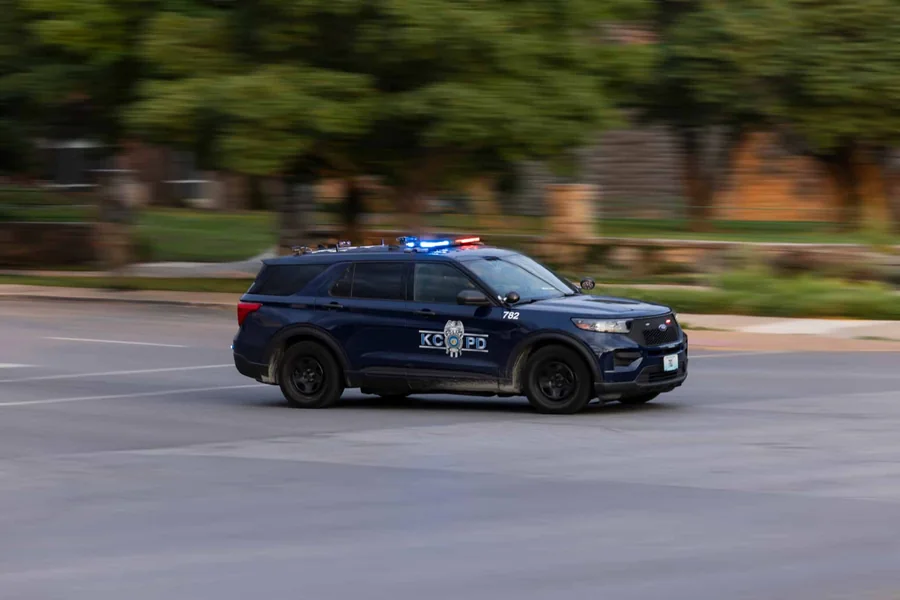
At first, domestic violence court can seem bewildering. Many people associate the phrase with a brief hearing, a judge, and a decisive decision. The real world is not that easy. Domestic abuse cases in Kansas City frequently proceed via a judicial system designed to prioritize safety. In addition, the court closely adheres to state law, verifies facts, and hears both sides. Because these situations frequently involve fear, stress, family ties, and pressing decisions, that balance is crucial. A single incorrect date, a lost paper, or even silence in court might alter the course of events. Therefore, knowing the route before entering the courthouse is helpful.
Let’s start by defining what constitutes a domestic violence case.
When someone petitions for legal protection or the police receive a report, a domestic abuse case is initiated. In Missouri, harm, threats, stalking, or coercive control between spouses, family members, ex-partners, or cohabiting individuals are typically covered under the law. The court considers facts rather than labels. A heated dispute by itself might not result in a criminal case. Frequently, a threat, harm, property damage, or persistent dread does. At times, they anticipate immediate incarceration. Occasionally, that occurs. It doesn’t happen all the time. Officers’ findings, witness statements, and available evidence all play a role.
That evidence may include:
- photos
- text messages
- medical notes
- 911 recordings
- witness statements
Small details matter more than people expect.
The first court date comes fast
After an arrest, the accused person usually appears before a judge quickly. This early hearing often covers bond, release terms, and contact limits. A judge may order no contact right away. That means no calls, no texts, no social media messages, and no third-party contact either. People often slip here because they think one apology text is harmless. It is not. The judge also explains the charge. A misdemeanor may stay in lower court. A felony can move into a larger criminal track with stricter steps. At this stage, lawyers matter a lot. One side protects the accused person’s rights. The other side, led by prosecutors, presents the state’s case.
Why domestic violence court feels different from other criminal cases
This court often moves with extra caution because safety risks can rise after charges are filed. That is why judges often ask about prior reports, shared children, living arrangements, and past orders. Some hearings feel short. Others stretch because facts need review. And here is the thing: domestic violence court is not only about punishment. In some cases, the court also looks at long-term behavior change. That connects to Kansas City Specialty Courts, which supports court paths built around treatment, supervision, and accountability. These courts exist because some cases involve deeper patterns — anger, addiction, trauma, or repeated harmful choices.
Step by step through the legal process
A normal path often looks like this:
1. Filing of charges
The prosecutor reviews police reports and decides what formal charge fits.
2. Arraignment
The accused hears the charge and enters a plea.
3. Pretrial hearings
Lawyers exchange evidence and discuss motions.
4. Possible plea agreement
Some cases settle without trial.
5. Trial if needed
A judge or jury decides guilt.
6. Sentencing
If guilt is proven, the judge sets penalties.
That sounds neat on paper. Real court days often feel messy. Dates change. Witnesses fail to appear. New evidence appears late. That happens more than people think.
When treatment enters the picture
Not every case goes straight toward punishment only. Some people qualify for monitored programs tied to behavior change. These may include counseling, check-ins, classes, and court review dates. That is where specialty court ideas matter. Beyond the Bench KC supports awareness around these court models because lasting change often starts when root causes are addressed, not ignored. Their work in Kansas City supports the idea that justice should still leave room for repair when public safety allows it. It sounds idealistic, maybe. Yet many judges and court teams rely on that structure because repeat harm often follows untreated patterns.
Protective orders — often confused, often urgent
A protective order is separate from the criminal case. A person can ask for one even if no criminal charge has finished yet. A judge may first issue a temporary order. Later, a full hearing decides if a longer order stays in place. That order may block contact, require distance from home or work, and shape child visits. People often forget this: breaking a protection order creates a fresh legal problem. Even one short meeting can trigger new charges.
What the judge watches closely
Judges often focus on patterns. One event matters, yes. Repeated conduct matters even more.
The court may ask:
- Was there a prior report?
- Were children nearby?
- Was there alcohol or drug use?
- Did the accused obey earlier orders?
A clean record helps, but it does not erase a current charge. A bad record makes things harder, fast.
Why local support changes outcomes
Court orders can only do so much. People also need stable support after hearings end. Housing help, counseling, family guidance, and supervised plans often lower future risk. That is one reason community groups stay linked to legal work. In many cases, the hardest part starts after court — not during it. A hearing lasts minutes. Change takes months.
FAQs About Domestic Violence Court in Kansas City
- Can a domestic violence case continue if the other person wants to drop it?
Yes. The prosecutor controls the criminal case, not the reporting person. If enough evidence exists, the case may continue.
- Will a first charge always mean jail?
No. A first charge may lead to probation, classes, or supervised court terms, depending on facts and history.
- What if both people were arguing?
The court still looks for who used threats, force, or harmful control. Mutual arguing does not erase criminal conduct.
- Can someone contact family if a no-contact order exists?
Only if the judge changes the order. Until then, even friendly contact can create trouble.
- Does specialty court help after sentencing?
Yes. Some approved cases move into treatment-based court tracks linked to accountability, counseling, and regular review.