

Smart homes depend on constant connectivity and stable electricity. When an outage hits, everything from voice assistants to climate control loses the power that keeps daily routines smooth. This raises a practical question for many families: can a whole home generator maintain the reliability smart devices require? The answer depends on the generator’s response time, surge capacity, and ability to support sensitive electronics without interruption. Modern households run dozens of connected devices, and any backup system must support both everyday loads and sudden spikes. With advanced systems like the Anker SOLIX E10 and Power Dock, homeowners discover that smart-home continuity is more achievable—and more seamless—than expected.
What Smart Homes Actually Need From Backup Power
Smart Devices Depend on Split-Second Continuity
Smart-home ecosystems fall apart when power drops for even a moment. Routers reset, hubs disconnect, thermostats lose schedules, and security systems enter alarm mode. The biggest requirement isn’t raw wattage but continuity. Smart locks, sensors, cameras, and automations need electricity without interruption. A system like the E10 addresses this by delivering sub-20ms transfer time. Because switchover happens almost instantly, devices never lose power long enough to disconnect. Families who rely on automated lighting, environmental controls, or medical monitoring often underestimate how sensitive these systems are. When backup power flows seamlessly, the home stays “smart” through the entire outage instead of restarting piece by piece. This uninterrupted operation becomes one of the most valued aspects of a stable whole home generator system.
Surge Handling Protects High-Demand Devices and Prevents Reboots
Smart homes aren’t made only of small electronics. They depend on major appliances that draw heavy amperage when starting: HVAC blowers, compressors, water heaters, induction cooktops, and well pumps. These loads cause giant surges that traditional generators struggle with. The E10’s surge capability—up to 37.2kW per unit—allows the system to start high-demand equipment even while smaller smart devices remain stable. This prevents the cascading reboots that happen when voltage dips. For households running climate automation, smart thermostats, or whole-home air purification, this stability is essential. The generator doesn’t just keep devices powered—it maintains the electrical consistency smart homes require.
Ensuring that a modern smart home remains fully functional during a blackout involves more than just keeping the lights on; it requires a steady flow of power to sensitive electronic controls and high-draw appliances. A robust backup generator provides the necessary stability to protect these integrated systems from the damaging effects of sudden voltage drops. However, even with a reliable power source, homeowners must remain vigilant about the physical condition of their environmental controls. Identifying a need for ac repair during the peak of summer can prevent a minor mechanical strain from becoming a major system failure that compromises indoor air quality. By prioritizing regular equipment assessments alongside energy redundancy, residents can achieve a truly seamless and resilient domestic infrastructure.
Powering Every Outlet Avoids “Smart Home Dead Zones”
Many homeowners do not realize that partial-home backup creates gaps in smart-home coverage. If only selected circuits receive generator power, devices connected to unpowered rooms stop functioning, breaking automations and routines. A whole-home setup supported by the E10’s 200A Power Dock avoids this issue. Every outlet works, every device stays online, and every automation continues. Nothing needs to be unplugged, switched over, or manually reconnected. This full-panel approach is critical for homes where smart-home technology spans living spaces, outdoor cameras, garage systems, nurseries, and home offices. Consistency across the entire panel ensures that the smart home behaves as it should—no matter what’s happening outside.
Why Modern Backup Systems Fit Smart Homes Better Than Expected
Reliable Power Extends Automation Into Outage Conditions
Many families build smart homes to increase comfort, reduce energy waste, and automate daily tasks. But outages used to interrupt these benefits entirely. With continuous power, these advantages extend through outages instead of pausing.
Automated shades still open on schedule. Climate systems maintain temperature. Smart fridges stay connected and can alert families to issues. Home offices stay functional without network drops. Even voice assistants remain operational. The E10, with battery-based operation, keeps everything running quietly and efficiently during outages. Batteries provide a clean, stable power source ideal for sensitive electronics. Smart-home infrastructure continues working without requiring manual resets or mode changes. This becomes a pleasant surprise for homeowners who expect outages to disrupt digital routines.
Solar Integration Changes How Smart Homes Manage Energy
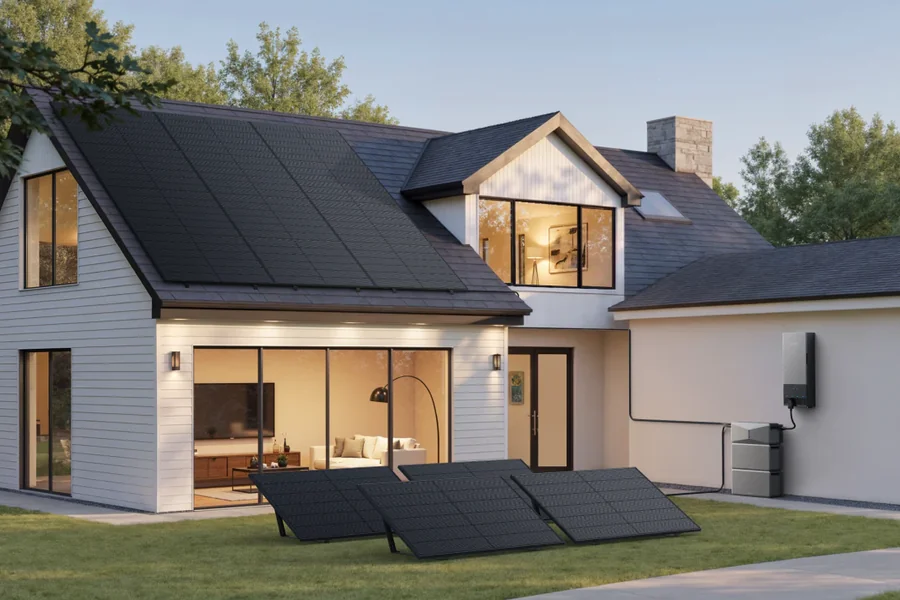
Smart homes often include solar panels and energy-monitoring apps. Backup systems that integrate cleanly with solar inputs expand these capabilities. With up to 27kW solar input across multiple E10 units, households can generate and store significant power even during prolonged outages. This optimization means smart-home energy systems can remain fully functional for days. The home continues running efficiently using stored power, and families gain visibility into their energy consumption through monitoring apps. For energy-conscious households, this creates a stronger alignment between smart-home automation and long-term power resilience.
Silent Operation Supports a Connected Lifestyle
Traditional generators produce noise that disrupts indoor and outdoor environments. Smart homes, built to promote convenience and harmony, often clash with the sound of gas engines. Battery-first backup systems solve this issue. The E10 runs silently during typical outage conditions, which keeps the home atmosphere unchanged. Children can sleep, meetings can continue, and entertainment systems stay pleasant to use. Only when extended outages demand additional power does the Smart Generator engage—and even then, fuel efficiency remains optimized through DC charging. Homeowners appreciate how natural backup power feels in their modern living spaces. In addition to providing quiet, reliable power, these systems can help homeowners manage overall energy usage more effectively. Learning ways to lower gas bill alongside installing efficient backup solutions further enhances savings and energy peace of mind.
Conclusion
Smart homes demand more than basic backup—they need instantaneous continuity, stable voltage, whole-panel coverage, and the ability to support both sensitive electronics and high-demand appliances. Whole-home generator systems that combine battery storage, rapid switchover, and strong surge handling exceed these requirements more effectively than many homeowners expect. With features like the Anker SOLIX E10’s seamless activation, robust surge capability, full-panel protection, and solar-ready expansion, families discover that modern backup power aligns naturally with connected living. In a smart-home environment where every device relies on stable electricity, a whole-home generator becomes not only compatible but essential for long-term reliability.