
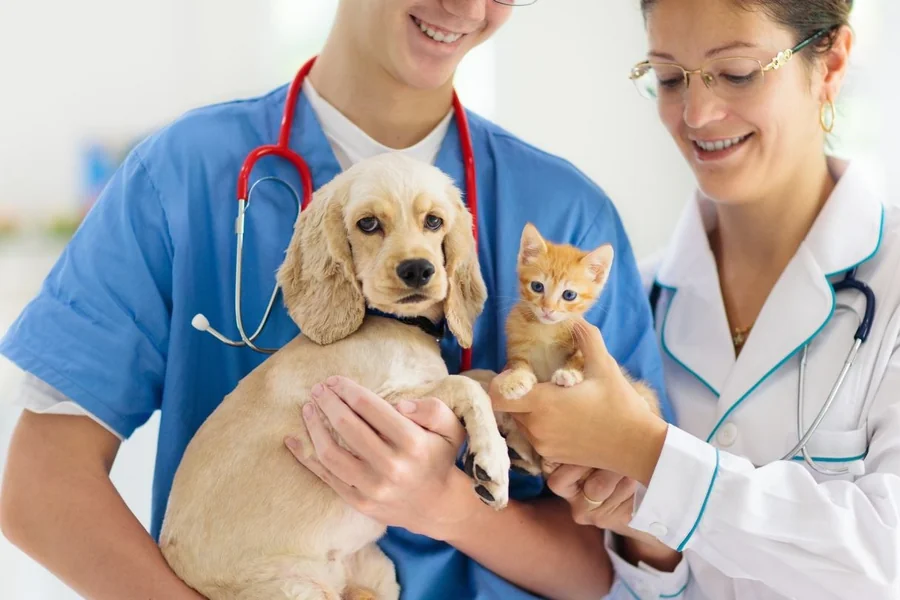
You know your pet better than anyone. You see the small changes others miss. When something feels off, you feel a quiet pull between doubt and worry. You may wonder if you are overreacting. You are not. Waiting can turn a small problem into a crisis. Early help protects your pet and your peace of mind. A general veterinarian is your first and most steady partner in this work. This blog walks through three clear signs that it is time to visit your regular doctor for your pet. You will see when odd behavior means trouble. You will see when eating or bathroom changes need quick help. You will see when pain shows in quiet ways. If you live locally, a Long Beach vet can guide you through each step. You are not alone in this. You only need to act when your instincts say something is wrong.
Sign 1: Your Pet’s Behavior Suddenly Changes
Sudden change is the loudest warning your pet can give without words. You might see it in how your pet moves, plays, or reacts to you. Quiet pets may cling. Playful pets may hide. Calm pets may growl or snap.
Watch for changes that last longer than a day. One odd moment is common. A pattern is not. You should call your general veterinarian if you see:
- Hiding from family or other pets
- Growling or hissing when touched
- Pacing or restlessness that will not stop
- Sudden fear of stairs, furniture, or jumping
- New accidents in the house after being house trained
These signs often link to pain, stress, or sickness. You cannot always see the cause from the outside. A visit lets your veterinarian check for infection, injury, or organ problems. The American Veterinary Medical Association explains that behavior shifts are often early clues that a pet needs care.
Sign 2: Eating, Drinking, or Bathroom Habits Change
Food, water, and bathroom habits show how the body is working. You see these parts of your pet’s life each day. That makes you the first person to spot a problem.
Call your veterinarian if you see any of these signs for more than 24 hours, or sooner if they are severe:
- No interest in food or water
- Eating far more or far less than normal
- Drinking much more or much less than normal
- Vomiting or diarrhea
- Straining to pee or poop
- Blood in urine or stool
These changes can point to kidney disease, diabetes, stomach trouble, or infection. Quick care can stop dehydration and pain. It can also catch long-term diseases early, when treatment works best. For example, the Centers for Disease Control and Prevention notes that contact with animal waste can spread germs in the home. Fast care protects your pet and your family.
Sign 3: Signs of Pain or Physical Distress
Many pets hide pain. This instinct once kept animals safe in the wild. Today, it can fool you into thinking your pet is fine. You may only see small hints. You need to watch closely.
Make an appointment if you notice:
- Limping or favoring one leg
- Trouble standing up or lying down
- Heavy breathing at rest
- Crying, whimpering, or unusual sounds
- Stiffness after sleep or short walks
- Swelling on the body, face, or paws
- Scratching at ears, eyes, or skin without relief
Pain wears your pet down. It also changes behavior and sleep. A general veterinarian can find the cause and offer relief. You should never give human pain medicine to a pet. Many common drugs are toxic to animals. Only your veterinarian can choose safe treatment.
Quick Guide: When To Call Your General Veterinarian
You can use this table as a simple guide. When in doubt, call. A short phone call can prevent a long night of worry.
| Sign You Notice | Examples | How Fast To Act
|
|---|---|---|
| Behavior change | Hiding, sudden aggression, new anxiety | Call within 24 hours if it continues |
| Eating or bathroom change | No appetite, vomiting, diarrhea, straining | Call the same day. Sooner if severe |
| Signs of pain | Limping, crying, heavy breathing at rest | Call the same day. For breathing trouble, seek urgent care |
How To Prepare For Your Visit
You can help your veterinarian by tracking what you see. Write down:
- When the signs started
- How often they happen
- Any new foods, toys, or cleaners in the home
- Any falls, fights, or injuries
Bring photos or short videos on your phone if you can. Pets often act differently in the clinic. Your record gives a fuller picture and helps your veterinarian choose the right tests and care.
Trust Your Instincts
You share a quiet bond with your pet. When that bond feels strained, do not ignore it. Your worry is a real signal. You are not weak or fussy for asking for help.
You protect your pet when you:
- Call early when you see change
- Ask clear questions during visits
- Follow home care steps and watch for progress
Small signs can show big problems. Early visits often mean shorter treatment, lower cost, and less suffering. When something feels wrong, listen to that feeling. Reach out to your general veterinarian and ask for guidance. Your action today can give your pet more comfortable days by your side.