
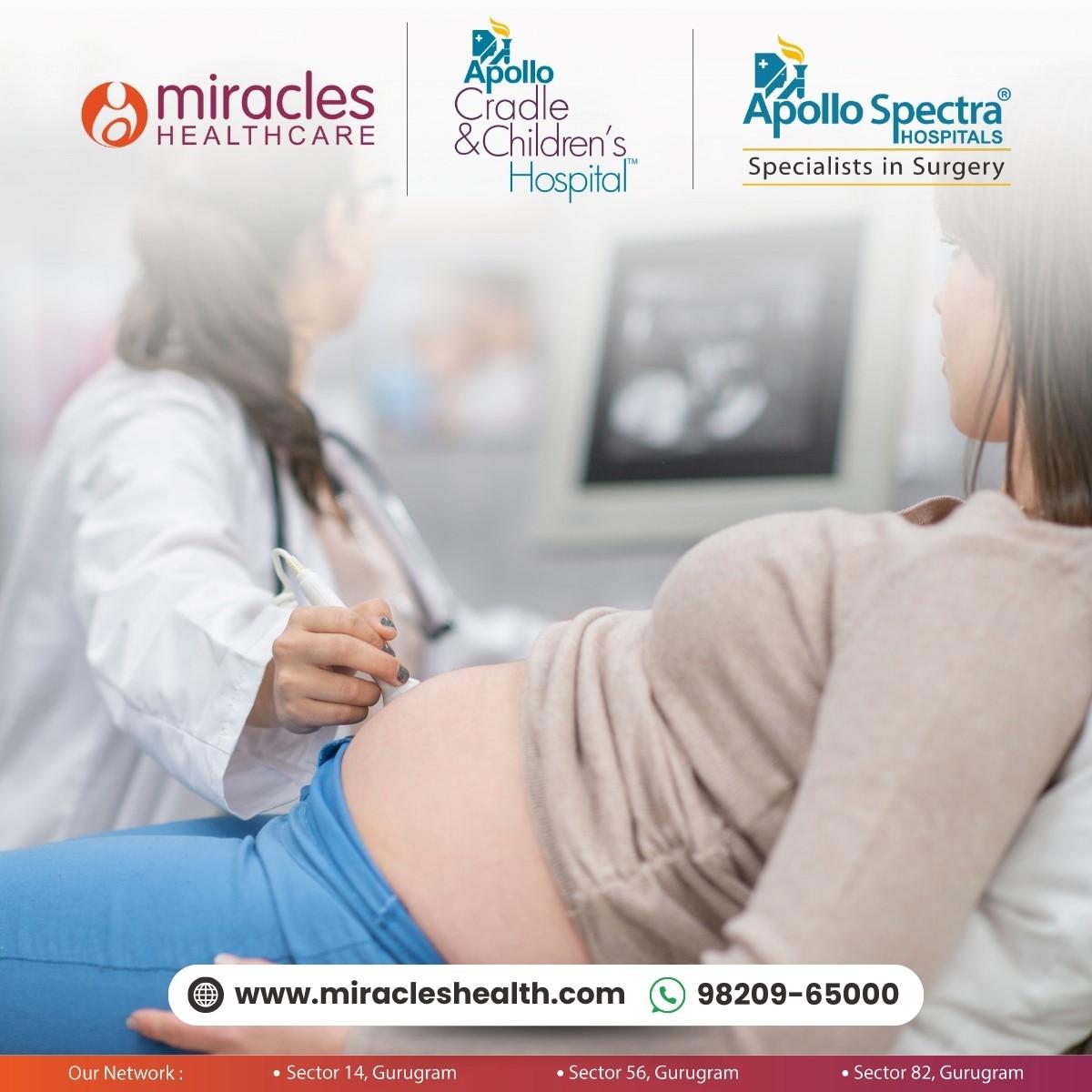
Pregnancy is often celebrated as a transformative and joyous journey, but for women with obesity, it may come with unique challenges that impact both the mother and the baby. The physical and emotional changes during this time can be more complex, requiring extra care and attention. Understanding the effects of obesity on pregnancy and exploring ways to manage these risks is essential for ensuring a safe and healthy experience. Dr. Swati Chhabra, a renowned gynaecologist in Gurgaon at Miracles Apollo Cradle, provides valuable insights into these risks and practical solutions for managing pregnancy with obesity.
The Link Between Obesity and Pregnancy Risks
Obesity is typically measured using the Body Mass Index (BMI), which calculates weight relative to height. If a Body Mass Index (BMI) is 30 or above, it is classified as obesity. During pregnancy, carrying excess weight puts additional strain it places on the body and can lead to complications.
Obesity affects almost every system in the body, from heart health to hormonal balance. These effects become more evident during pregnancy when the body undergoes substantial physiological changes.
The Risks of Obesity During Pregnancy
Understanding the complexities of pregnancy risks, especially those associated with obesity, is crucial for making informed decisions about reproductive health. For individuals seeking additional resources and professional guidance, learning more about it can provide clarity and support tailored to unique circumstances. Access to accurate information ensures that every decision is made with confidence and care, prioritizing both health and well-being.
- Gestational Diabetes: Gestational diabetes is a common complication among women with obesity. Gestational diabetes develops when the body is unable to produce sufficient insulin to regulate blood sugar levels during pregnancy. Elevated blood sugar can lead to macrosomia, a condition where the baby grows larger than normal, increasing the likelihood of delivery complications and the need for a cesarean section.
- Hypertensive Disorders: Hypertension during pregnancy, such as preeclampsia, is more common in females with obesity. Preeclampsia can lead to organ damage, preterm birth, and even life-threatening complications if left unmanaged.
- Sleep Apnea: Obesity increases the possibility of developing obstructive sleep apnea. In this condition, breathing often stops and starts during sleep. This can lead to complications such as high blood pressure, fatigue, and reduced oxygen supply to the baby.
- Complications During Delivery: Obesity can make vaginal delivery more challenging, usually leading to prolonged labor. The possibility of needing a cesarean section (C-section) is significantly increased. Additionally, C-sections in obese females come with increased risks of wound infections, blood clots, and complications related to anesthesia.
- Impact on the Baby: Babies born to mothers with obesity experience their own set of challenges, including:
- Macrosomia: Larger babies are more likely to sustain birth injuries and may require specialized care.
- Premature Birth: Babies born too early may experience respiratory issues and developmental delays.
- Childhood Obesity and Metabolic Disorders: The chance of developing obesity, diabetes, or other metabolic conditions later in life is higher.
- Difficulties in Monitoring Pregnancy: Routine diagnostic procedures, such as ultrasounds, may become less accurate due to excess body fat. This can delay the diagnosis of potential issues and make pregnancy monitoring more complex.
Why Does Obesity Lead to These Risks?
The underlying reasons for these risks are multifaceted. Obesity affects the body’s hormonal balance, immune system, and metabolism. The added strain on organs such as the heart and kidneys can worsen existing issues or create new complications. Moreover, obesity can lead to chronic inflammation in the body, which has been linked to pregnancy complications like preeclampsia.
Managing Obesity During Pregnancy
While obesity can increase pregnancy risks, it’s important to note that many of these challenges can be effectively managed with the right approach. Dr. Swati Chhabra emphasizes the importance of early intervention and comprehensive prenatal care.
- Pre-Pregnancy Planning: If you are planning to conceive, a consultation with your gynaecologist is essential. Losing even 5-10% of body weight before pregnancy can significantly reduce risks. A tailored weight-loss plan that includes a balanced diet and exercise routine can be beneficial.
- Healthy Weight Gain During Pregnancy: Weight gain is a natural part of pregnancy, but it is important to manage it within recommended limits. For females with obesity, weight gain should be monitored carefully to avoid further complications.
- Balanced Diet: A nutritious, well-balanced diet can help manage weight and provide essential nutrients for the mother and baby. Key components of a balanced diet include:
- Whole Grains: Brown rice, oats, and quinoa are great sources of long-lasting energy.
- Lean Proteins: Chicken, fish, tofu, and legumes support fetal growth.
- Healthy Fats: Sources like avocados and nuts promote brain development in the baby.
- Fruits and Vegetables: Rich in essential vitamins, minerals, and antioxidants, fruits and vegetables are important for a healthy pregnancy.
- It’s equally important to limit the consumption of processed foods, sugary beverages, and saturated fats.
For tailored nutrition advice, consider consulting a dietitian to create a personalized meal plan that meets your specific needs.
- Regular Exercise: Moderate physical activity during pregnancy can improve heart health, enhance mood, and reduce the risk of complications like gestational diabetes. Engaging in activities like walking, swimming, and prenatal yoga is typically safe during pregnancy. However, it’s essential to consult your gynecologist before beginning any exercise routine to ensure it aligns with your individual health needs.
- Routine Prenatal Check-Ups: Frequent visits to your obstetrician are essential for monitoring the health of both mother and baby. Regular screenings for blood sugar, blood pressure, and fetal growth can help detect and address issues early.
- Managing Mental Health: Pregnancy with obesity can sometimes feel overburdened due to societal pressures and medical concerns. Seeking support from a counselor, joining prenatal support groups, or practicing mindfulness can help manage stress and anxiety.
The Role of Advanced Healthcare Facilities
Managing high-risk pregnancies requires specialized care. At Miracles Apollo Cradle in Gurgaon, we are equipped with state-of-the-art technology and a team of experts to handle even the most complex cases. Dr. Swati Chhabra and her team focus on creating personalized care plans that address the unique needs of every expecting mother. From nutrition counseling to advanced monitoring systems, we ensure that you and your baby are in safe hands.
Preventing Future Health Risks
Postpartum care is equally important, especially for women with obesity. Losing excess weight after childbirth can reduce the risk of chronic conditions such as Type 2 diabetes and heart disease. Breastfeeding can also help in weight loss and provide numerous benefits for the baby.
Conclusion:
While obesity can pose risks during pregnancy, it is important to remember that with the right guidance and care, many of these challenges can be managed effectively.
Dr. Swati advises, “Early intervention and a complete care plan tailored to the individual can make all the difference in ensuring a safe and healthy pregnancy.” If you are navigating pregnancy with obesity or planning to conceive, reach out to the experts at Miracles Apollo Cradle for guidance.