
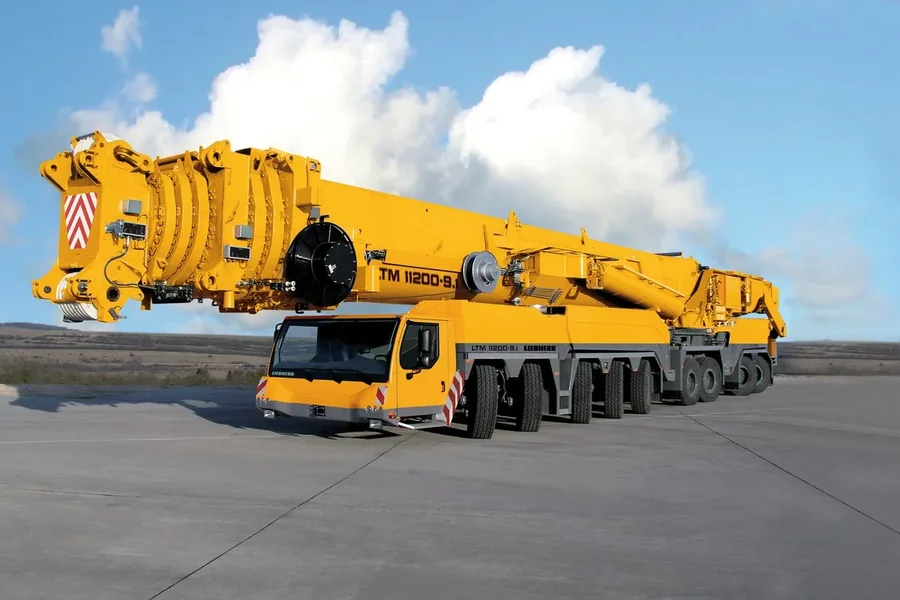
Before operating a mobile crane, ensuring safety and functionality is crucial to prevent accidents and optimize performance. A detailed pre-operation checklist facilitates secure lifting operations by focusing on essential inspection points and safety measures. Operators must assess critical components such as the crane’s structural integrity, hydraulic systems, and rigging setups. Understanding crane capacity limits and adhering to the manufacturer’s guidelines further enhances operational reliability. The following sections guide you through key inspection steps, offering insights into various elements like outriggers, boom mechanics, and load management strategies. Equipped with this checklist, operators can confidently perform lifting tasks while prioritizing safety and efficiency on the job site.
Perform a Full Walkaround Crane Inspection
Look for leaks, cracks, loose bolts, and structural damage
Begin by checking the crane’s exterior for leaks that could signal hydraulic or lubrication issues. Examine the structure for cracks or deformation that might compromise the crane’s integrity during lifting. Loose bolts or fittings should be promptly addressed to avoid unexpected failures during operation. Structural damage, whether minor or significant, may impact the crane’s performance and should be repaired accordingly.
Inspect tires, suspension, and carrier stability
The tires must be in optimal condition to support the crane’s weight and maintain mobility across varied terrains. Inspecting the suspension system is equally important as it contributes to the crane’s balance and stability. The carrier stability, pivotal for crane movement and operation, should be thoroughly evaluated to prevent mishaps such as tipping or leaning during lifting.
Inspect Outriggers, Pads, and Leveling Systems
Check outrigger beams, cylinders, and locking pins
Operators should ensure outrigger beams extend fully and properly, with cylinders functioning as designed to achieve the necessary stability. Locking pins must engage correctly to secure the outrigger position, preventing unwanted movement during operation. A faulty outrigger setup can lead to instability, so addressing these components is vital.
Confirm proper cribbing, mats, and level indicators
Cribbing and mats should be placed correctly to support the outrigger pads, distributing the crane’s weight evenly across different surfaces. Level indicators must be checked for accuracy to confirm that the crane mobile crane is positioned horizontally. Proper leveling is necessary to maintain balance and prevent tipping during operation.
Check Hydraulic, Electrical, and Control Systems
Hydraulic, electrical, and control systems are integral to crane operation, requiring thorough inspection to guarantee functionality and safety.
Inspect hydraulic pressure, hoses, and fluid levels
Examine hydraulic systems for appropriate pressure levels, ensuring hoses are intact and free from leaks or blockages. Fluid levels should be maintained as per the manufacturer’s specifications to enable smooth system function and prevent mechanical failures.
Test control levers, emergency stops, and warning alarms
The control levers must operate smoothly, allowing precise crane maneuvering. Verify that emergency stops are responsive to avert potential accidents, and check warning alarms to ensure timely alerts to operators about system anomalies or hazards.
Inspect the Boom, Jib, and Hook Block
The boom, jib, and hook block are pivotal components for lifting, necessitating thorough checks to ensure operational reliability.
Check boom sections, pins, and telescoping function
Ensure all boom sections are free from damage, with pins securely holding the sections together. The telescoping function should extend and retract smoothly without mechanical hitches, vital for adjusting the boom length as required.
Inspect hook, latch, sheaves, and swivel movement
The hook must be intact—free from wear—with a functional latch that secures loads effectively. Sheaves should rotate smoothly to manage load lines without obstruction. Examine swivel movement for effortless rotation and positioning of loads during lifting maneuvers.
Check Wire Rope, Load Line, and Reeving Setup
Wire ropes and load lines facilitate lifting operations, demanding a meticulous inspection to safeguard against potential failures.
Look for broken strands, kinks, crushing, and corrosion
Inspect wire ropes for broken strands, which could weaken the rope under strain. Kinks and crushing damage compromise flexibility, while corrosion threatens the rope’s durability. Address any compromised ropes promptly to uphold lifting safety.
Confirm proper rope reeving and drum winding
Verify that the rope reeving setup adheres to standard configurations, supporting the loads effectively. Drum winding must be uniform, preventing slippage and ensuring controlled retraction and extension of ropes during lifting tasks.
Confirm Load Chart and Crane Capacity Limits
Understanding the crane’s capacity limits and aligning them with lifting requirements is crucial to ensure safe operations.
Match boom length, radius, and counterweight setup
The boom length, lifting radius, and counterweight setup must match the load specifications outlined in the crane’s load chart. Ensuring compatibility prevents overextension of crane capacity, reducing the risk of operational failure.
Verify lifting capacity for the planned configuration
Confirm that the planned lifting configuration aligns with the crane’s maximum lifting capacity, as specified by the manufacturer. Discrepancies in capacity must be addressed to avoid potentially hazardous lifting situations.
Choosing the Right Truck Crane for the Job
Selecting the appropriate truck crane is essential for efficient lifting operations. SANY offers a versatile range of truck cranes suitable for diverse heavy-duty tasks. Consider factors such as the crane’s load capacity, terrain adaptability, and specific job requirements when making a selection. A tailored approach to crane choice ensures optimal performance and increased productivity on-site. SANY truck cranes, renowned for their robust construction and advanced technology, provide reliable solutions for complex lifting needs in various environmental conditions. With a strategic selection based on project demands, operators can achieve superior efficiency and safety, aligning their operations with industry standards and achieving project goals effortlessly.
Conclusion
Implementing a comprehensive pre-operation checklist for mobile cranes is fundamental in safeguarding against operational risks and enhancing lifting efficiency. Each inspection step—from verifying crane components to confirming capacity limits—serves a protective measure against potential accidents. By consistently evaluating critical crane systems and adhering to outlined operational protocols, operators uphold safety standards while ensuring optimal crane functionality. Choosing the right crane, such as those offered by SANY, further enhances operational efficacy by matching equipment capabilities with project demands. With a dedicated focus on safety, preparedness, and strategic equipment selection, operators can execute tasks confidently, achieving project timelines and objectives while prioritizing workforce well-being and equipment longevity.