
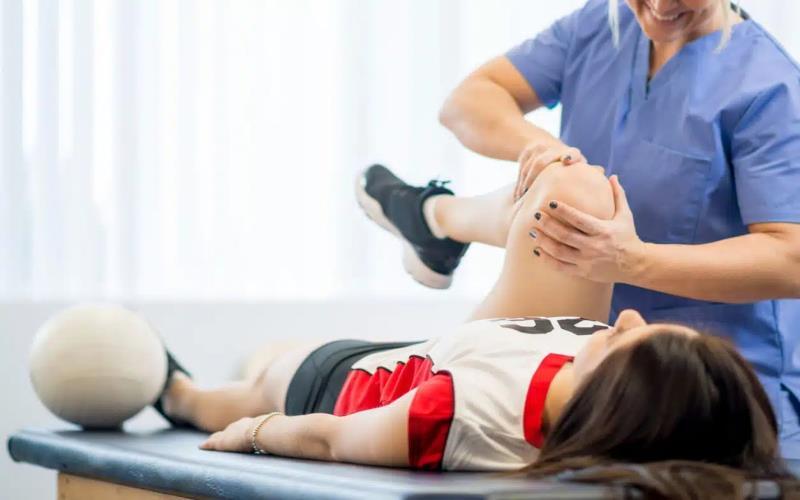
Sports injuries do not place an exemption to any athlete whether they are an amateur or professional. If you have experienced a sports injury, a do-it-yourself home treatment is not enough. Your injury must be examined by an orthopaedic practitioner in Singapore to ensure that your condition is managed, treated, or rehabilitated as needed to help you get back to your peak performance.
Common Sports Injuries
Playing sports has a ton of benefits for the body. It keeps one’s body fit, improves mental health, and encourages social interaction. Despite these advantages, a downside of sports activities is the risk of getting injured. There are many kinds of injuries that can happen during athletic activities, so it is important that both athletes and enthusiasts have an understanding about these to lessen the chances of injuring themselves.
- Concussions: A concussion is a traumatic injury that can happen to the brain when the head becomes shaken violently or receives a strong blow. This injury is common in many contact sports such as hockey and football.
- Fractures: Small cracks in the bones or bones that break often occur in high impact sports.
- Dislocations: Dislocations happen when the bones’ ends pop out of their sockets. This injury usually affects the fingers and shoulders after falling or receiving traumatic impact.
- Shin splints: The inner edge of the tibia or shinbone can suffer from long-term pain when it is overused or improper footwear is used. This is a common injury among runners.
- Sprains and strains: Overstretched ligaments result in sprains, while excessive force or overstretching the muscles and tendons can lead to strains. These injuries often affect the quadriceps and hamstring.
- Tendinitis: The overuse or persistent strain on the tendons can lead to its inflammation. This injury often affects the knees, elbows, or shoulders and are common in athletes or enthusiasts playing baseball, running, or tennis.
The Role of Orthopaedic Surgeons
Orthopaedic surgeons are medical doctors that have a specialisation in diagnosing, managing, and treating the different conditions affecting the musculoskeletal system such as those that are caused by sports activities. The musculoskeletal system is composed of the bones, ligaments, joints, muscles, and tendons. It is common for orthopaedic surgeons to team up and collaborate with other healthcare professionals like athletic trainers, physical therapists, and sports medicine specialists to provide thorough care for their patients.
The role of orthopaedic surgeons in sports injuries management involves:
- Assessment and diagnosis: Accurate diagnosis is a critical step in managing injuries arising from a sport. To be able to do this, orthopaedic surgeons perform an array of diagnostic tools and tests to assess the injuries.
- Clinical evaluation: Orthopaedic surgeons subject their injured patients to a meticulous physical examination as well as a thorough review of their medical history. The assessments evaluate the nature and mechanism of the injury, any pre-existing conditions or injuries that may have happened in the past. This evaluation allows the orthopaedic surgeon to determine the severity of the damage and be able to craft an efficient treatment plan.
- Functional examination: Functional exams are methods employed to test the athlete’s range of motion, strength, and overall functionality in order to determine the injury’s impact.
- Imaging tests: Various imaging tests are used by orthopaedic surgeons to deeply understand the injury. A patient may be asked to undergo imaging exams such as Computed Tomography (CT) scans, Magnetic Resonance Imaging (MRI), or X-rays to identify the different injuries affecting certain regions of the musculoskeletal system.
- Various approaches in treatment: Upon making an accurate diagnosis, orthopaedic surgeons proceed to create a personalised treatment plan according to the extent of injury and needs of the athlete. Treatments may either be conservative or surgical.
- Conservative treatments: These treatments include the use of braces, splints, medications, rest, and rehabilitation.
- Surgical treatments: There are three (3) categories that fall under surgical treatments. These are:
- Arthroscopy: This procedure is minimally invasive and is commonly used for injuries in the knee, hip, and shoulder. It involves the insertion of a tiny camera, called an arthroscope, into the joint to see its condition and fix any tissues that are damaged.
- Open Surgery: Traditional open surgery is usually recommended for injuries that are severe. This procedure involves making incisions to access and repair injuries such as complex fractures, badly injured joints or to do ligament reconstructions.
- Reconstructive Surgery: Chronic instability or significant damage to the joint can be corrected by reconstructive surgery through joint replacement or ligament reconstruction.
- Rehabilitation and recovery: Rehabilitation after treatment is crucial when managing any sports related injury. Orthopaedic surgeons play a vital role in planning and supervising the programs included in rehabilitating the injured body part to ensure prevention of future injuries and the athlete’s complete recovery.
- Rehabilitation planning: Orthopaedic surgeons partner with physical therapists to design a tailored rehabilitation plan. Different exercises and techniques are incorporated in the program to improve balance, flexibility, and strength as well as to effectively manage inflammation and pain.
- Progress monitoring: Orthopaedic surgeons keep track of the athlete’s recovery progress and ensure that adjustments are made to the treatment plan when needed.
- Injury prevention and care: Orthopaedic surgeons provide guidance on how to prevent injuries and apply proper care by letting athletes understand various methods, correct usage of equipment, and regimens for efficient training.
- Development of strength and conditioning programs: Orthopaedic surgeons collaborate with other sports training professionals and organisations to create injury prevention programs to help educate athletes on how to minimise prevention during their training and performance.
- Movement evaluations: Movement evaluations are done to know whether the patterns of movement done by the athlete places them at risk of getting an injury. When movements are not executed properly, orthopaedic surgeons can correct the athlete and help them perform better without injuring themselves.
- Maintenance of overall health and well-being: Orthopaedic surgeons are important in addressing long-term effects of sports injuries that influence the quality of life of athletes.
- Chronic condition management: Athletes can suffer from conditions like chronic pain and arthritis following a sports injury. Orthopaedic surgeons provide interventions that help patients give proper care for these conditions.
Conclusion
The role of orthopaedic surgeons are highly instrumental in the lives of athletes and sports enthusiasts as they help in providing proper care and management to sports related injuries. Their expertise in sports injuries can diagnose and create effective treatment plans to aid in addressing an athlete’s injury as well as oversee their recovery.
Artisan Sports & Orthopaedic Clinic
290 Orchard Road
Paragon Medical Centre #07-12
Singapore 238859
Phone (65) 8909 8877
https://www.artisanorthopaedics.sg/