
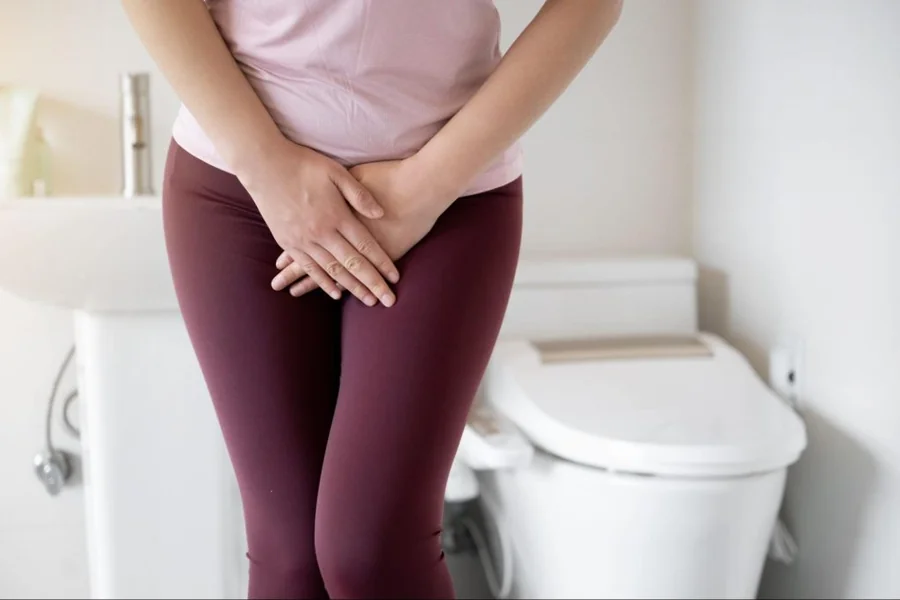
Urinary incontinence is the involuntary leakage of urine, a condition that affects many adults in Singapore and can range from occasional dribbles to more frequent or severe episodes. In a bustling city environment, symptoms of urinary incontinence can significantly impact daily life, reduce confidence, and affect emotional well-being.
Simple activities such as exercising, attending social events, or even sleeping can become stressful when the bladder feels unpredictable. Understanding how to prevent these issues is essential for maintaining long-term bladder health.
This article explores practical strategies to reduce the risk of incontinence and improve urinary control, providing guidance for those seeking effective ways to support their bladder. To learn more about treatment options, read here https://aareurology.sg/suffering-from-stress-incontinence-heres-how-to-treat-it-in-singapore/.
Types and Causes of Urinary Incontinence
Understanding the types and causes of urinary incontinence is the first step in prevention. There are several common forms, each with distinct triggers and risk factors:
- Stress incontinence: Leakage that occurs during physical activities like coughing, sneezing, or exercising, often due to weakened pelvic floor muscles.
- Urge incontinence: A sudden, intense urge to urinate that can be difficult to control, sometimes caused by overactive bladder muscles.
- Mixed incontinence: A combination of stress and urge symptoms, which can occur simultaneously.
- Overflow incontinence: Occurs when the bladder does not empty properly, leading to frequent dribbling, often associated with nerve damage or obstruction.
- Risk factors: Age, childbirth, menopause, obesity, certain medical conditions, and lifestyle habits can all increase the likelihood of developing incontinence.
Recognizing the type and underlying causes helps guide effective urinary incontinence Singapore prevention strategies.
Lifestyle Modifications to Support Bladder Health
Making simple lifestyle changes can play a significant role in preventing urinary incontinence and supporting long-term bladder health. Key modifications include:
- Stay hydrated: Drink enough water throughout the day, but avoid excessive fluids before bedtime.
- Limit bladder irritants: Reduce intake of caffeine, alcohol, and carbonated drinks that can trigger urgency.
- Maintain a healthy weight: Excess weight increases pressure on the bladder and pelvic floor muscles.
- Bladder training: Gradually increase the time between bathroom visits to strengthen bladder control.
- Regular physical activity: Low-impact exercises can improve overall muscle tone, including the pelvic floor.
Adopting these habits consistently can help reduce the risk of developing urinary incontinence and improve day-to-day comfort and confidence.
Pelvic Floor Exercises and Physical Therapy
Strengthening the pelvic floor muscles is one of the most effective ways to prevent urinary incontinence. These muscles support the bladder and help maintain proper control over urination. Key strategies include:
- Kegel exercises: Regularly contracting and relaxing the pelvic floor muscles can improve strength and bladder control.
- Guided physical therapy: A trained physiotherapist can design a personalized program to target weak muscles and correct posture or movement patterns.
- Consistency is key: Performing exercises daily and gradually increasing intensity ensures long-term benefits.
- Combining with lifestyle changes: Pelvic floor exercises work best alongside hydration, diet, and bladder training strategies.
Incorporating these exercises into your routine can significantly reduce the risk of urinary leakage and support long-term bladder health.
Diet and Nutrition Tips
What you eat can have a significant impact on bladder health and the risk of urinary incontinence. Certain foods and beverages, such as caffeinated drinks, alcohol, carbonated beverages, and highly acidic foods, can irritate the bladder and increase urgency. On the other hand, maintaining a diet rich in fiber helps prevent constipation, which can put extra pressure on the bladder and pelvic floor muscles.
Staying well-hydrated is equally important, as concentrated urine can irritate the bladder. By combining mindful eating habits with hydration and other preventive strategies, you can support long-term bladder health and reduce the likelihood of developing urinary incontinence.
When to Seek Professional Advice
While lifestyle changes, diet, and pelvic floor exercises can significantly help prevent urinary incontinence, there are certain signs and situations where professional evaluation is necessary. Seeking timely medical attention ensures proper diagnosis, prevents complications, and allows for a tailored management plan. You should consider consulting a urologist if you experience:
- Persistent or worsening leakage: Frequent urine leakage despite consistent preventive measures may indicate underlying issues that require medical evaluation.
- Sudden changes in urinary habits: A rapid increase in urgency, frequency, or nighttime urination could signal overactive bladder or other urinary tract concerns.
- Pain or burning during urination: Discomfort when urinating may indicate a urinary tract infection or inflammation that needs treatment.
- Blood in the urine: Even small amounts of blood can point to infections, stones, or other conditions that require immediate assessment.
- Incontinence after surgery or childbirth: Changes in bladder control following procedures or pregnancy may need targeted interventions.
- Impact on daily life: If urinary incontinence affects work, social activities, exercise, or emotional well-being, professional guidance is recommended.
Early consultation with a urologist allows for a comprehensive assessment, which may include bladder scans, urine tests, or pelvic floor evaluations.
Conclusion
Maintaining long-term bladder health is possible with simple lifestyle changes, proper hydration, pelvic floor exercises, and mindful dietary habits. Being proactive can help prevent urinary incontinence and improve your confidence and quality of life. If you would like personalized guidance or wish to discuss your concerns, you can book a consultation or make an enquiry at: