
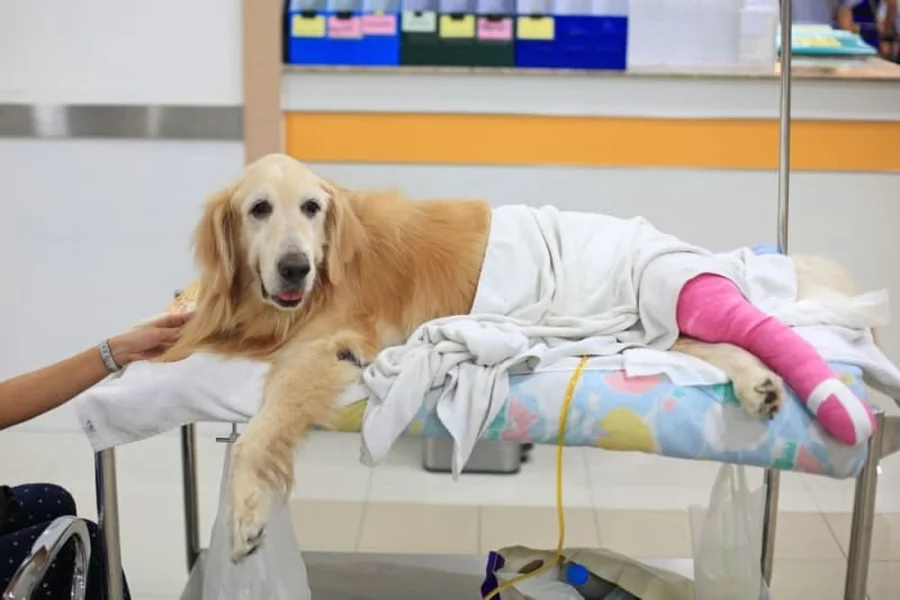
When fire, flood, or storm hits, pets and farm animals suffer in silence. You feel fear, pressure, and confusion. You also face hard choices. Veterinary hospitals step in when everything else breaks. They keep power running. They protect medical supplies. They treat burns, broken bones, smoke damage, and shock. They calm panicked owners. They sort who needs help first. They work with rescue teams, shelters, and local leaders. One animal hospital in Shuswap, BC shows how this looks during wildfires. Staff sleep on floors. Phones ring without pause. People show up with crates, trailers, and stories they can barely say. Yet care continues. You see order grow from chaos. You see clear plans, simple steps, and steady hands. This guide shows how veterinary hospitals protect your animals when disaster strikes and what you can do before the next alert sounds.
How Veterinary Hospitals Prepare Before Disaster
You may not see it, but real work starts long before smoke or sirens. Your veterinary team plans for power loss, blocked roads, and crowded waiting rooms. They run drills. They back up medical records. They keep fuel, water, and backup power ready.
Many hospitals follow guidance from agencies such as the Centers for Disease Control and Prevention on emergency pet planning. They build simple checklists that cover three needs.
- Protect staff so care can continue
- Protect drugs, oxygen, and equipment
- Protect animals already in the building
Staff train to move animals fast, set up extra cages, and work with local emergency managers. They also learn how to speak with you in clear, calm words during chaos.
What Happens In The First Hours
The first hours hurt the most. Phones flood with calls. People arrive without notice. You may stand in a line that feels endless. The hospital uses a system called triage. It means staff sort animals by urgency.
- Life threatening problems go first
- Serious but stable problems wait under close watch
- Minor injuries wait longer or move to another site
Staff place colored tags or clear notes on cages. They track breathing, bleeding, and pain. They give oxygen, fluids, and quick pain relief. They also protect you from extra shock. They explain what they can do today and what must wait.
Common Emergency Treatments You May See
You may see scenes that stay in your mind for years. Animals come in soaked, burned, or gasping. Veterinary hospitals focus on a short list of life-saving steps.
- Support breathing for smoke or dust exposure
- Stop bleeding and clean wounds
- Cool or warm animals with heat or cold stress
- Give fluids for shock or dehydration
- Control pain from burns or broken bones
Later, the team treats infection, long-term pain, and stress. They may set up separate quiet rooms for animals that shake or hide. They also watch for bites and scratches from scared animals that usually stay calm.
How Hospitals Work With Emergency Shelters
No single clinic can hold every pet from a flooded town. This is why hospitals join larger plans. Veterinary staff help local shelters in three key ways.
- They send staff to support shelter intake and quick exams
- They loan cages, leashes, and medical supplies
- They take back the sickest animals for hospital care
Some hospitals set up mobile units. Others use parking lots as treatment lines. You may see simple signs and tape on the ground that sort dogs, cats, and farm animals. Clear rules protect both people and animals.
Data Snapshot: Why Planning Matters
You may wonder if all this planning makes a difference. Past disasters show clear patterns. The numbers below are estimates drawn from typical reports after large storms and fires.
| Type of disaster | Common pet risks | Percent of pets needing urgent care | Percent of pets separated from owners
|
|---|---|---|---|
| Wildfire | Smoke, burns, heat stress | 20 to 30 percent | 10 to 15 percent |
| Flood | Drowning risk, infections, cold | 15 to 25 percent | 20 to 30 percent |
| Hurricane or severe storm | Trauma, cuts, stress | 10 to 20 percent | 15 to 25 percent |
These numbers show one hard truth. Many animals need fast medical help. Many also lose contact with you. Veterinary hospitals plan to handle both problems at once.
How Veterinary Hospitals Protect Records And Identity
During chaos, names get lost. A collar slips off. A crate tag falls in the mud. Your veterinary hospital guards your pet’s identity. They keep records backed up in secure systems. They also use simple tools when computers fail.
- Paper logs that match cage numbers with short descriptions
- Photos of animals on phones or cameras
- Clear notes on special care needs or drugs
When you come to claim your pet, the staff match your story, your photos, and their notes. This process feels slow when you ache to hold your pet. It still protects your animal from going to the wrong person.
What You Can Do Before Disaster Hits
You hold more power than you may feel right now. You can give your veterinary hospital what it needs most. That is clear information and a ready plan for your animals.
- Keep vaccines and ID tags current
- Store your clinic name and phone in your wallet and phone
- Prepare a pet go bag with food, drugs, copies of records, and a photo
- Practice loading carriers and trailers so animals move fast
- Ask your veterinary hospital about its disaster plan
You also can name a backup person who can bring your animals for care if you are hurt or away. Write this name down for your clinic.
How Hospitals Support Emotional Recovery
Physical wounds heal. Emotional wounds linger. Veterinary staff see your fear and grief up close. They speak with you about hard choices. They guide you through end-of-life decisions when needed. They also connect you with support groups and mental health resources when loss feels heavy.
You may feel guilt if you left a pet behind or could not reach a barn in time. Your veterinary team will not judge you. They know how sudden disaster moves. They focus on what can still be saved and how you can rebuild safe routines for the animals that remain.
Moving Forward With Stronger Plans
Natural disasters will strike again. That fact is harsh. You still have a way to protect what you love. Partner with your veterinary hospital now. Ask hard questions. Share your concerns. Build a clear plan for each pet and each herd.
When the next warning comes, you will not feel powerless. You will know where to go, who to call, and what to bring. Your veterinary hospital will be ready to stand with you, protect your animals, and carry some of the weight you should not carry alone.