
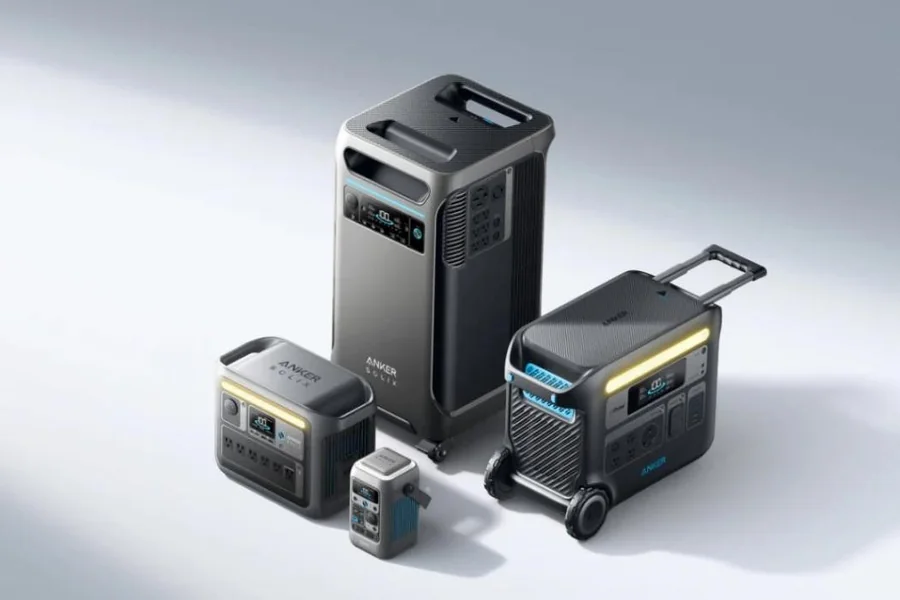
Reliable electricity keeps food fresh, devices charged, and homes comfortable during outages. Solar generators make this possible by storing clean energy and delivering it quietly, without fuel or complex setup. Yet choosing the right capacity can be confusing for beginners unfamiliar with watts and watt-hours. A clear calculation method helps avoid underpowered systems or overspending on unneeded capacity. This article explains how to determine your solar generator needs in practical, everyday terms—so you can power up with confidence.
1. List Your Devices
Identify essential devices to power
The first step is deciding which devices truly need electricity during normal use or emergencies. Common examples include refrigerators, phones, laptops, lights, routers, and medical or safety equipment that support daily living. Prioritizing essentials helps focus on realistic power needs rather than every appliance in the home. This approach reflects how solar generators are usually used in daily life, supporting key tasks instead of entire households. Clearly defining essential devices also makes later calculations more accurate and manageable.
Find each device’s wattage
Each device uses a specific amount of power, usually listed on a label or in the user manual. Wattage numbers indicate how much electricity a device draws while operating under normal conditions. Small electronics may use under 100 watts, while appliances like refrigerators can require several hundred watts. Recording these numbers avoids guesswork later in the process and reduces the risk of incorrect estimates. Accurate wattage information ensures realistic planning and helps protect devices from overload.
2. Calculate Daily Usage
Multiply wattage by hours used per day
Daily energy use depends not only on power draw but also on how long each device runs. Multiplying a device’s wattage by the number of hours it operates per day provides its daily energy consumption. For example, a 100-watt device used for five hours consumes 500 watt-hours. Estimating realistic usage time reflects normal routines rather than ideal conditions. This step helps translate everyday habits into clear and measurable energy needs.
Add up total watt-hours needed
Once each device’s daily consumption is calculated, the values are added together. The total watt-hours represent how much energy the solar generator must supply in a typical day. This number helps compare different generator capacities without confusion. It also highlights which devices consume the most energy and may need limited use. Understanding total demand encourages smarter energy planning and more balanced usage habits.
3. Choose Battery Size
Pick battery matching your daily watt-hour total
Battery capacity determines how long a solar generator can power devices without recharging. Choosing a battery that matches or slightly exceeds daily watt-hour needs ensures reliable operation throughout the day. This balance prevents frequent shutdowns while avoiding oversized systems that add unnecessary cost or weight. In everyday scenarios, matching capacity to actual use leads to better efficiency. A properly sized battery supports stable and predictable power availability.
Add extra capacity for safety margin
Adding extra capacity provides flexibility for unexpected situations. Weather changes, longer usage times, or additional devices can increase energy demand beyond initial estimates. A safety margin helps maintain power availability during these moments without constant monitoring. This approach reflects real-life variability rather than perfect conditions. Extra capacity also reduces stress during emergencies when power reliability matters most.
4. Calculate Solar Panels
Determine panel wattage needed to recharge daily
Solar panels replenish the battery, so their output must match daily consumption. Dividing total daily watt-hours by available sunlight hours estimates required panel wattage. This calculation shows how quickly the battery can be recharged each day under normal conditions. Balanced input prevents energy shortages over time. Proper panel sizing keeps solar generators practical and dependable for routine use.
Consider local sunlight conditions
Sunlight availability varies by location and season. Areas with fewer sun hours may require larger or additional panels to meet the same energy goals. Cloud cover, shading, and panel orientation also affect charging performance throughout the day. Considering these factors ensures realistic expectations for daily recharging. This step connects calculations to real-world environmental conditions, especially for solar power generators used outdoors or off-grid.
5. Plan for Special Needs
Account for high-power startup surges
Some appliances draw extra power when starting, even if their running wattage is lower. Refrigerators, pumps, and certain tools often require this temporary surge. Checking surge requirements prevents overloads and unexpected shutdowns during use. Planning for these moments protects both the generator and connected devices. This consideration improves reliability and extends equipment lifespan.
Prepare for multiple cloudy days
Extended cloudy periods reduce solar charging efficiency and can slow down battery recovery. Preparing for these days may involve larger batteries, additional panels, or reduced energy use. Planning ahead avoids sudden power shortages when sunlight is limited. This realistic approach reflects how solar systems are used over time. Flexibility supports consistent performance in changing weather conditions.
Conclusion
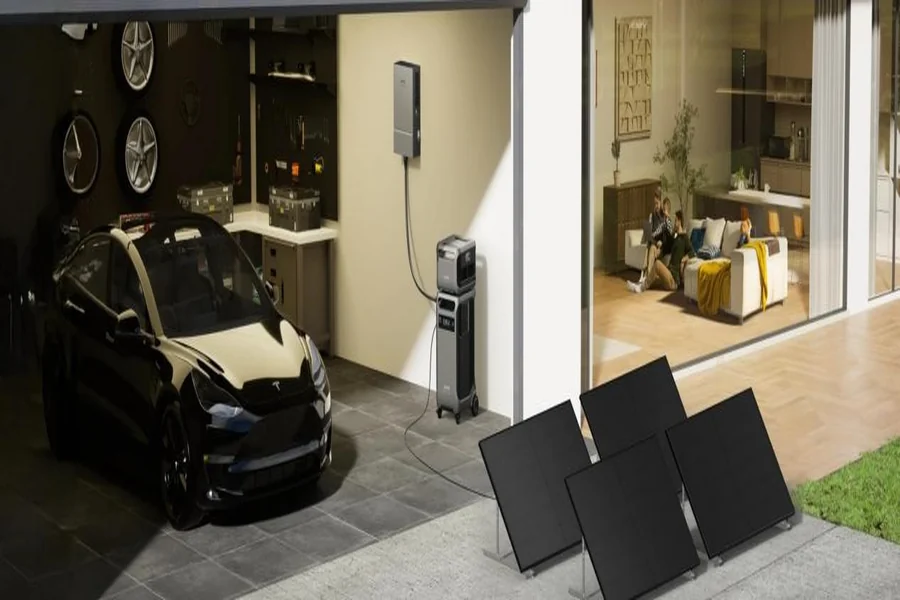
Calculating solar generator needs becomes manageable when devices, daily usage, battery capacity, and charging conditions are considered together. This structured approach helps align real-world energy habits with practical system choices. For those evaluating dependable options for home backup or outdoor use, Anker SOLIX Solar Generators offer flexible capacity ranges, stable output performance, and intuitive controls that integrate smoothly into everyday planning. Thoughtful calculations paired with well-built equipment help ensure reliable power without unnecessary complexity or waste.