
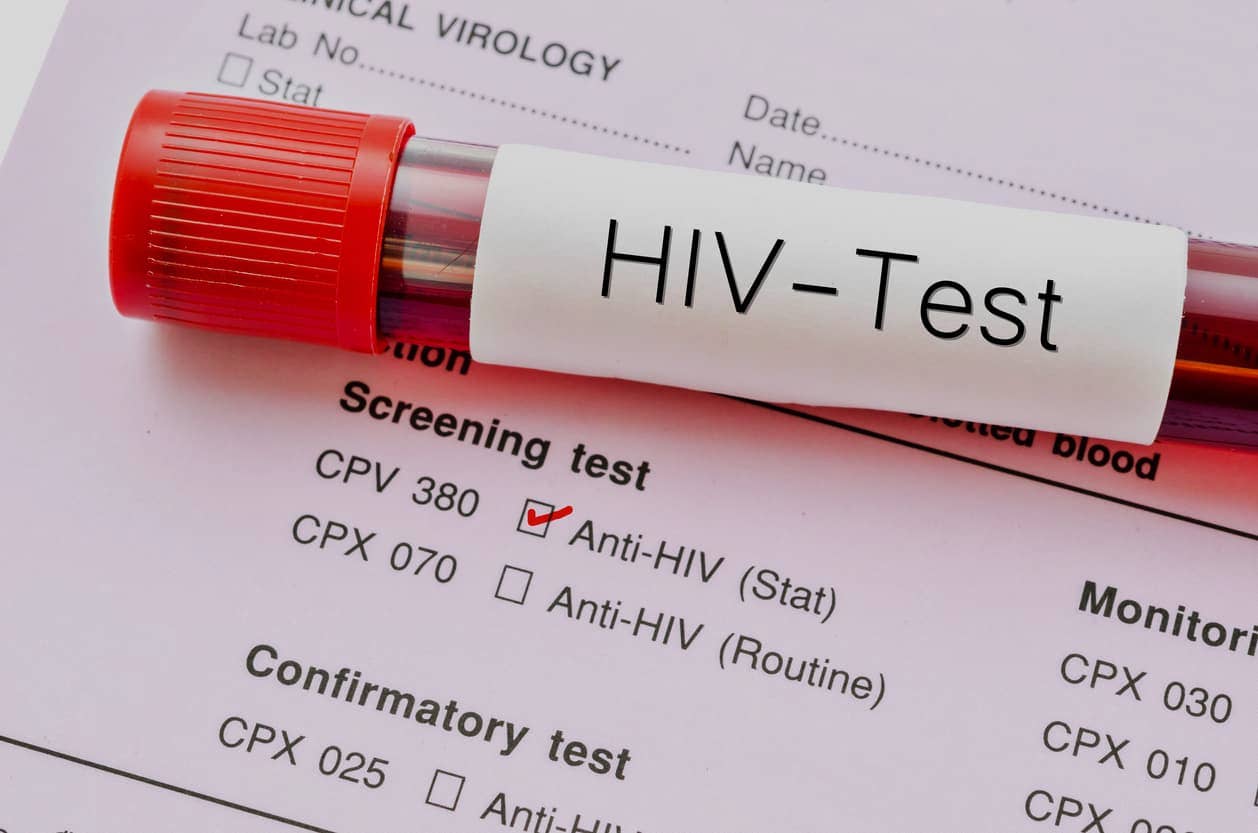
Human Immunodeficiency Virus (HIV) is a serious infection that weakens the immune system. If not properly managed, it makes it harder for the body to fight off infections.
Early detection and treatment are key to managing HIV, and HIV testing is an essential part of public health initiatives. In Singapore, HIV testing is widely available and plays a key role in preventing the spread of the virus. Here’s more: https://healthclinicgroup.com/hiv-testing/.
However like many people, you may wonder whether HIV tests can give wrong results. In today’s piece, we explain what HIV screening detects, whether a screening test is enough, and the possibility of false results. Let’s begin!
What is detected in HIV Screening?
HIV screening tests are designed to detect the presence of the virus in the body. There are two main components that are typically tested for during an HIV screening; HIV antibodies and HIV antigens.
- HIV Antibodies: The most common HIV test detects antibodies to the virus. When a person is infected with HIV, their immune system responds by producing antibodies as a defense mechanism. These antibodies can take a few weeks to months to develop after infection. HIV tests check for these antibodies in the blood, saliva, or urine.
- HIV Antigens: In addition to antibodies, some HIV tests also detect HIV antigens. An antigen is a substance that triggers an immune response, and HIV produces a specific antigen called p24. This antigen is detectable in the blood earlier than antibodies, which is why certain tests can detect HIV infection sooner.
HIV screening tests can be done through blood tests, rapid tests, or at-home testing kits. The blood test is the most common and reliable method for detecting HIV infection, as it provides the most accurate results.
Rapid tests, while faster, may not be as accurate in certain cases. This is particularly true during the early stages of infection, when the immune system has not yet produced enough antibodies.
Is Screening Test Enough for HIV?
While HIV screening tests are essential for detecting the virus, they are not always enough to confirm a diagnosis. The first step of HIV testing typically involves an initial screening test, which is often a rapid test or an enzyme-linked immunosorbent assay (ELISA) test.
If the result of the initial test is positive, a confirmatory test is needed to ensure the diagnosis is accurate. The most commonly used confirmatory test is the Western Blot test or the HIV RNA test.
These tests are more specific and help to rule out any false positive results from the initial screening. In some cases, if a person is in the early stages of HIV infection (during the “window period”), the HIV antibodies may not yet be detectable.
This may lead to a false negative result in an initial screening. In such cases, further testing may be needed to confirm the diagnosis.
Confirmatory tests are crucial because they provide a more accurate assessment of whether a person is indeed infected with HIV. If the confirmatory test also returns a positive result, the person is considered HIV-positive and can begin treatment.
Can an HIV Test Give Wrong Results?
Like any medical test, HIV tests are not perfect. In rare cases, they can provide incorrect results. There are two types of incorrect results: false positives and false negatives.
A false negative occurs when a test fails to detect the virus in a person who is actually infected. This can happen if the person is in the early stages of HIV infection, known as the “window period.”
During this time, the body may not have produced enough HIV antibodies for the test to detect. For example, if someone gets tested very soon after being exposed to HIV, they may not yet have detectable levels of antibodies which may lead to a negative result even though they are actually infected.
This is why it’s important to wait a few weeks after potential exposure to get tested. A false positive occurs when a test indicates that a person is infected with HIV when they are not.
This can happen due to a variety of factors, including other health conditions, medications, or errors in the testing process. Some tests may mistakenly identify other proteins or antibodies as HIV antibodies, leading to a false positive result.
Confirmatory testing (such as the Western Blot test or HIV RNA test) can help rule out false positives. It’s important to note that while false positives are possible, they are relatively rare.
Is It Common to Get a False Positive HIV Test?
False positives are not very common, but they can occur. According to studies, the rate of false positives depends on several factors, including the type of test used and the population being tested.
In general, screening tests for HIV, particularly when done in a reputable clinical setting, have a high level of accuracy. However, no test is 100% perfect. Several factors can contribute to false positives, including:
- Recent Illnesses or Infections: Some other infections or autoimmune diseases can trigger the production of antibodies that are similar to those produced in HIV infections, leading to a false positive.
- Medications: Certain medications, especially those that affect the immune system, may interfere with test results and cause a false positive.
- Pregnancy: Pregnant women may sometimes test positive for HIV due to natural changes in their immune system, which can lead to a false positive result.
- Testing Errors: While rare, errors during the testing process, such as mishandling of samples, contamination, or misinterpretation of results, can lead to false positives.
Despite these factors, it’s important to remember that the vast majority of HIV tests produce accurate results. False positives are rare, and confirmatory tests can always be used to ensure the accuracy of the diagnosis.
In Closing
HIV testing is a key tool in the prevention and management of HIV infections. While screening tests are highly reliable, it’s important to understand that no test is completely error-free.
False positives and false negatives can occur, but they are rare. If you test positive for HIV, confirmatory testing will help provide an accurate diagnosis.
If you know that you have been exposed to HIV or are at high risk though, ensure that you’re getting regular testing. Book a session with a specialist in HIV testing in Singapore to have all your concerns and worries addressed.
The Health Advisory Clinic – STD & HIV Testing Singapore
1 Raffles Pl, #04-49, Singapore 048616
+65 6226 6442