
Undergoing a heart screening in Singapore is normally recommended by doctors by the time you reach 40 years old. However, with the various factors that influence your day-to-day living, such as lifestyle, diet, and environment, your risk of developing cardiovascular diseases may be high even at a young age. The good news is you can subject yourself to these tests and even avail of a heart screening package in Singapore even before you blow your candles for your 40th birthday. Getting age appropriate tests to check the health of your heart helps detect early symptoms and timely medical intervention, which can be beneficial for you in the long run.
Heart Screening Tests by Age
Customising the types of tests to screen your heart according to your age is important as not every test may be necessary. Below is a guide recommending heart screening procedures by age.
Establishing foundations in your 20s
Your health may still be at its prime if you are in your 20s. Ideally, this is when it is best to lay down the foundations and develop habits that help keep your heart healthy. To start, consult with a cardiologist to have your risk factors assessed and get the recommended tests for your heart.
Key Screenings during this age:
Body Mass Index (BMI) and Waist Circumference – Your BMI helps indicate whether your current weight is healthy or not, while your waist circumference helps determine obesity around the abdominal area, which is important in gauging your risk of developing cardiovascular diseases. This screening should be done annually.
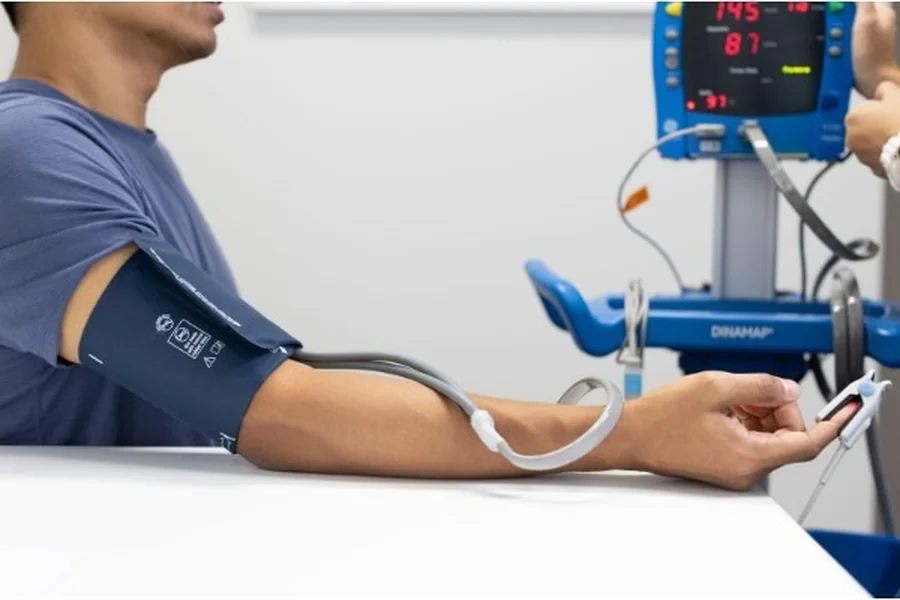
Blood Pressure Assessment – High blood pressure or hypertension typically does not have any symptoms. This is the reason why it is often referred to as the “silent killer.” Having elevated levels of blood pressure increases your heart attack, stroke, and kidney disease risk. It is recommended to have your blood pressure measured every 2 years if it is normal (<120/80 mmHg) or more frequently if your risk factors or readings are high.
Fasting Lipid Panel Test – This test evaluates the level of low-density lipoprotein (LDL) in your body. LDL is a type of cholesterol referred to as the “bad cholesterol.” Having high levels of LDL while you are young can heighten your risk of developing early atherosclerosis. Atherosclerosis is a condition where plaque, consisting of fats, cholesterol, and other substances, accumulate in the walls of your artery, which can lead to the obstruction of blood flow or forming of blood clots, which can burst. The earliest age recommended by doctors to undergo the fasting lipid panel test is between the ages of 17 and 21. Frequent screenings should be done if your risk factors are high.
Lifestyle Check – Your lifestyle has a significant impact on your body’s health and an important screening that cardiologists do is to assess your lifestyle. Important information relating to your daily habits and diet should be disclosed, including your exercise and stress levels, as well as whether you consume alcohol or smoke regularly. Adding targeted supplements like the snap nitric oxide booster can also support cardiovascular health when combined with healthy lifestyle choices.
Personal and Family Medical History – Your family medical history greatly influences your health, so your doctor needs to understand if certain conditions like high blood pressure, cardiovascular diseases, or diabetes are present.
Monitoring early risks in your 30s
Your lifestyle habits tend to be more consistent when you reach 30. This is also the time when changes to your cardiovascular health begin to surface. Regular monitoring should be done beginning this age and treatments should be given when necessary,
Key Screenings during this age in addition to tests done from 20s:
Blood Sugar Test – Diabetes is one of the major risk factors for cardiovascular diseases, so it is crucial that symptoms are detected early. Glucose testing should be done by age 35, particularly if you are obese or overweight. If your results are normal, the test can be in an interval of three years.
Electrocardiogram (ECG) – Generally, an electrocardiogram test is done when you are in your 40s, but can be recommended when subtle signs such as chest pains or palpitations emerge in your 30s. An ECG test can detect any damages to the heart that may have happened in the past and also catch irregular heartbeat or arrhythmia.
Closer monitoring of emerging risks in your 40s
Between the age of 40 and 49 is a critical period as this is the time when signs of cardiovascular conditions start to develop and become more noticeable. Undergoing heart screenings in Singapore allow doctors to correctly diagnose your condition and plan for an effective treatment.
Key Screenings during this age in addition to tests done from 20s and 30s:
Comprehensive Lipid Profile – This type of test evaluates the levels of all the kinds of fats present in your blood. It measures your LDL (low-density lipoprotein) cholesterol, HDL (high-density lipoprotein) cholesterol, total cholesterol, and triglycerides. The numbers recorded in this test help your doctor make accurate diagnosis and treatment plans, monitor your existing condition, check the effectiveness of medications and make necessary changes to manage your cholesterol levels.
C-Reactive Protein (CRP) Test – This is another kind of blood test that checks and measures any inflammation in your body that may contribute to the development of heart disease. This is commonly recommended if you have an intermediate risk of experiencing a heart attack.
Putting a priority on preventing major cardiac events in your 50s and beyond
Your risk of developing and experiencing cardiovascular conditions and diseases continue to increase as you go past the age of 50. Monitoring your heart’s health must be done more frequently to catch any emerging problems and prevent life-threatening events that affect your heart from happening.
Key Screenings during this age in addition to tests done in addition to all previous recommendations:
Ankle-Brachial Index (ABI) – This is a non-invasive blood pressure test that compares the pressure in your ankle and arm to see if you have a condition called peripheral artery disease (PAD). This disease occurs when your arteries become narrow, resulting in the reduction of blood flow to your limbs. It is advised to undergo this test every one or two years for adults above 60 years old or earlier and more often if you already have this condition.
Carotid Ultrasound – Carotid ultrasound is an imaging test that uses sound waves to identify plaque buildup or narrowing in the carotid arteries. This can help evaluate your stroke risk, especially if you have high blood pressure, high cholesterol, or a habit of smoking.
Coronary Artery Calcium (CAC) Score – This is a CT scan done to your heart, which measures the levels of calcium lining the walls of your coronary arteries. An accumulation of calcium is a possible sign of atherosclerosis.
Conclusion
A happy healthy heart is crucial if you want to live your life to the fullest. This requires that you take proactive and deliberate steps in making sure that your heart gets the best treatment, starting from your diet and lifestyle to scheduling regularly as you age.Talk to a cardiologist now for more information about improving your heart health and the available heart screening packages in Singapore.