
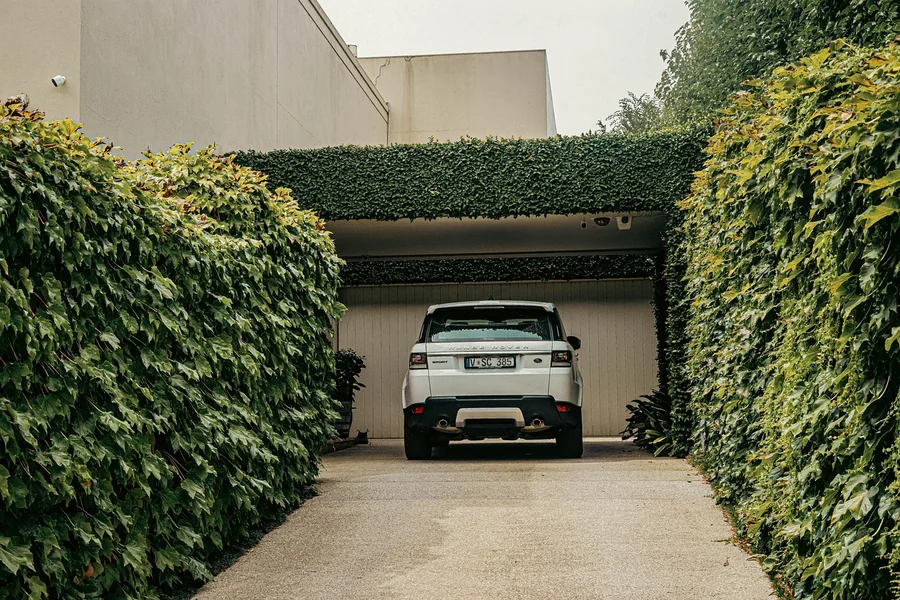
One of the best investments you can make as a homeowner is getting a new driveway installed.
When installed correctly you’ll benefit from added kerb appeal, increased property value and a clean, smart-looking exterior that lasts for decades. There’s more to it though than simply choosing a material and hiring a contractor.
There are several things you should think about before signing off on your gravel driveway installation — regardless of which material you choose. Ignore them… and your new driveway could turn into a costly headache.
You’ll learn:
- Why You Should Invest in a New Driveway
- Key Considerations Before You Begin
- How to Choose the Right Driveway Material
- What to Know About Planning Permission
- Understanding the Real Costs
- How to Find the Right Installer
Why You Should Invest in a New Driveway
There are very strong arguments from a financial perspective alone.
84% of home buyers say they won’t consider moving into a property without off-street parking. Can you imagine? That means not having a driveway is actively deterring buyers even before they step foot on the property.
Furthermore, installing a driveway improves your home’s value by between 5% and 10%. Depending on the type of material you choose and how well it’s installed. That’s an increase of thousands of pounds on the value of your home, just by having a driveway.
On top of all that, driveway installation improves your day-to-day life by providing secure off-road parking, a tidy front entrance, and minimizing wear and tear on your lawn.
Key Considerations Before You Begin
Before you get hung up on driveway types and start collecting quotes. There are a few important questions you need to ask yourself first.
How will the driveway be used? Will it need to accommodate larger vehicles like vans? Multiple cars? Think about who lives in the house now and in the future. If you plan on keeping the driveway long-term, getting the specifications right matters.
What condition is the ground in? Uneven or poor-quality ground will cause your driveway to sink, crack or become uneven over time. It’s important to have the site professionally assessed before installation begins. A reputable installer will do this anyway.
Are there any underground services to account for? We’re talking about gas pipes, water mains, electrical cables and more. They’ll all need to be located (using a locator service) and marked out before any excavation begins. Skipping this step can be very expensive.
What’s the gradient of the property? Installing a gravel driveway on a slope is fine but it does require stabilisation. Gravel grids can handle most gradients up to 10%. Anything above that and you should get professional advice before going any further.
How to Choose the Right Driveway Material
Depending on who you ask you’ll hear there are anywhere from 3 to 7 options for driveway materials.
To keep things simple here is a list of the most popular types:
- Gravel
- Block paving
- Tarmac
- Concrete
- Resin bound
There’s plenty of things to consider with each material from price to upkeep and aesthetics.
One of the most popular choices for homeowners across the UK is gravel. It’s cheap to install, breathable by nature, and it looks great. When installed properly gravel driveways can last upwards of 100 years.
One thing to keep in mind with gravel…
It will naturally spread and move if not correctly contained. Installing a cellular grid system under the driveway will keep stones from migrating and prevent rutting and uneven areas later down the line. It’s an extra cost but well worth it for low-maintenance future-proofing.
How to Pick the Right Installer
Picking the right installer is where most people fail.
Some aren’t as experienced as they claim, don’t use high-quality materials, and will take shortcuts to preserve margins. That often leads to headaches for the homeowner down the road.
What should a good installer be doing?
Honestly, there’s quite a lot. But some of the basics include; carrying out a site survey, identifying any underground services, recommending sub-base depth and providing an itemised quote.
They should be able to answer any questions you have about planning requirements and whether or not your new driveway will meet drainage standards.
The easiest way to find driveway installers near you is by searching for pros that have been vetted, reviewed and local.
By comparing quotes from professionals you know have offered their services on MyJobQuote before. You give yourself the best chance of finding the right finish at the right price.
Always check their reviews, ask about previous driveway installations and ensure they have the necessary insurances in place.
What to Know About Planning Permission
This one trips up a lot of people.
Does your driveway need planning permission?
The short answer is maybe. While some materials do not require planning permission others will. Gravel being one of the materials that don’t.
Why is this?
Certain driveway materials are deemed permeable, meaning they allow water to seep through and be naturally absorbed into the ground. Others are not permeable and force rainwater to run off the surface, into your gutters and eventually onto the roads.
Local councils have rules and regulations about surface runoff, water management and flooding. Installing a non-permeable driveway where a permeable one is required can land you with fines or a driveway that needs removing and replacing at your expense.
Do your homework and check with the local council before work begins.
Understanding the Real Costs
Cost is always going to be at the front of your mind when having work done on your property.
How much does a gravel driveway installation cost?
With gravel driveways in the UK the average price you’re looking at is £3,000. That includes a standard-sized driveway with average gravel. Your price could be closer to £500 or push north of £10k depending on the size and quality of materials you choose.
Installation costs are the largest contributor to overall project costs. Labour makes up approximately 75% of a driveway installation. Materials like gravel and sub-base make up the rest.
Why does who you choose to install your driveway matter so much?
Aside from wanting to get value for your money an experienced installer will ensure your driveway is built to last. Throw poor-quality installation into the mix and you’ll be having that headache mentioned earlier.
Here are a couple of other commonly overlooked expenses:
- Waste removal — transporting existing materials away doesn’t typically come for free
- Edging / kerbing — required to keep your driveway neat and gravel contained
- Weed membrane — laid before installation to prevent weeds from growing through
- Access restrictions — some properties have limited access which can affect labour costs
Get quotes from multiple companies. You’ll often find prices vary considerably between even nearby tradespeople.
Bottom Line
Installing a driveway can be a huge investment. An investment that can however increase your property value, save you money on maintenance and enhance the appeal of your home’s exterior.
Before you begin remember:
- Consider how your driveway will be used. Think about the types of vehicles that will use it.
- Are there any services to consider?
- You may need planning permission.
- Choose a material that suits your needs.
- Get multiple quotes from trusted professionals.
Taking your time to plan and prep before installation begins will reward you in the long-run with a driveway you can be proud of.