
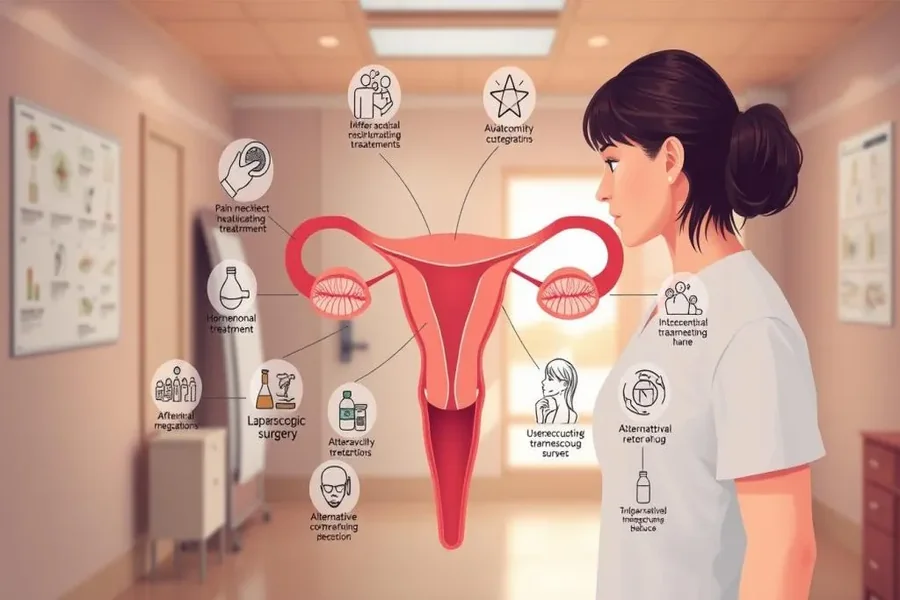
Endometriosis is a common yet often underdiagnosed condition in Singapore, affecting thousands of women who experience chronic pelvic pain, heavy periods, and fertility challenges. Despite its prevalence, many women delay seeking treatment, which can impact daily life, emotional wellbeing, and long-term reproductive health. Understanding the range of available treatments is crucial for managing symptoms effectively and improving quality of life.
This article aims to guide women in Singapore on how to choose the most suitable treatment plan based on their individual symptoms, disease severity, and lifestyle. Learn more about your options at https://drmaliclinic.com/why-endometriosis-is-often-misdiagnosed-stories-of-delayed-diagnosis/.
Understanding Your Diagnosis
Understanding your diagnosis is the first step in choosing the right treatment plan for endometriosis. Because symptoms can vary widely, from mild period pain to severe pelvic discomfort, accurate assessment by a gynaecologist is essential. Initial evaluation usually involves a detailed medical history and pelvic examination to identify areas of tenderness or abnormalities. Imaging tests, such as pelvic ultrasound or MRI, can help detect endometriotic cysts and lesions, though smaller implants may be missed.
For a definitive diagnosis, many women in Singapore undergo laparoscopy, a minimally invasive surgical procedure that allows direct visualization and confirmation of endometrial tissue outside the uterus. The stage of endometriosis, whether minimal, mild, moderate, or severe, plays a significant role in determining the most appropriate treatment approach.
Additionally, symptom patterns, pain severity, and fertility considerations are assessed to ensure a personalised plan. Early and accurate diagnosis not only guides effective treatment but also reduces the risk of complications, such as adhesions and infertility.
Non-Surgical Treatment Options
For many women, non-surgical approaches can effectively manage endometriosis symptoms and improve quality of life. Common options include:
- Hormonal therapies
- Combined oral contraceptives to reduce menstrual flow and pain
- Progestins or hormonal IUDs to target localized lesions
- GnRH agonists for moderate to severe cases
- Pain management
- NSAIDs (e.g., ibuprofen, mefenamic acid) for period and pelvic pain
- Stronger pain medications in cases of severe discomfort
- Monitoring and lifestyle support
- Regular follow-ups with a gynaecologist to adjust treatment
- Tracking symptom patterns to guide therapy effectiveness
Non-surgical treatments are often recommended as a first step, especially for women seeking fertility preservation or those with milder symptoms. While effective for many, these options may have side effects and may not address all lesions, making personalised guidance from a specialist essential.
Surgical Treatment Options
Surgery may be recommended for women whose symptoms do not respond to medication or who have more advanced disease. Key surgical approaches include:
- Laparoscopic excision
- Minimally invasive procedure to remove endometrial lesions and adhesions
- Considered the gold standard for long-term symptom relief and fertility preservation
- Ablation
- Destroys lesions without full removal
- May be suitable for smaller, superficial lesions
- Hysterectomy
- Removal of the uterus, sometimes including ovaries
- Typically reserved for severe, refractory cases where other treatments have failed
- Recovery considerations
- Hospital stay is often short (1–2 days for laparoscopy)
- Gradual return to normal activities over 2–6 weeks
- Post-operative follow-ups to monitor healing and symptom improvement
Surgery can significantly reduce pain, improve fertility outcomes, and prevent disease progression, but choosing the right approach requires careful consultation with a specialist.
Fertility Considerations
For women planning to conceive, fertility goals play a major role in selecting a treatment plan. Surgical options, such as laparoscopic excision, can improve the chances of natural conception by removing lesions and adhesions that may interfere with reproductive organs. Hormonal treatments, while effective for symptom control, are usually paused when trying to become pregnant.
Early consultation with a gynaecologist is crucial to balance symptom management with fertility preservation. In some cases, combining surgery with assisted reproductive techniques like IVF can provide the best outcome for women facing infertility due to endometriosis.
Lifestyle and Complementary Support
In addition to medical or surgical treatments, lifestyle changes and complementary approaches can help manage symptoms and improve overall wellbeing:
- Dietary adjustments – Anti-inflammatory foods, reducing processed sugars and red meat.
- Regular exercise – Low-impact activities like swimming, yoga, or walking to relieve pain and improve circulation.
- Stress management – Mindfulness, meditation, and relaxation techniques to reduce symptom flare-ups.
- Physiotherapy – Pelvic floor exercises to improve muscle function and reduce discomfort.
- Complementary therapies – Acupuncture or gentle massage can provide additional symptom relief.
Integrating these supportive measures alongside medical treatment can enhance symptom control and improve quality of life over the long term.
Choosing the Right Treatment Plan
Selecting the most suitable treatment plan depends on several factors unique to each patient. Key considerations include:
- Severity of symptoms – Pain intensity, lesion size, and disease stage influence whether medication or surgery is recommended.
- Fertility goals – Women wishing to conceive may prioritize fertility-preserving options like laparoscopic excision or assisted reproductive techniques.
- Medical history – Previous treatments, surgeries, or underlying conditions may affect treatment choices.
- Tolerance for side effects – Hormonal therapies can have side effects that some patients may prefer to avoid.
- Specialist guidance – Consulting an experienced gynaecologist is essential to create a personalised plan based on examination, imaging, and individual needs.
A carefully tailored treatment plan can effectively manage pain, improve quality of life, and address fertility concerns.
Summary
Endometriosis is a complex condition that requires a personalised approach to treatment. By understanding your symptoms, fertility goals, and available options, you can work with a specialist to create a plan that effectively manages pain, improves quality of life, and supports long-term reproductive health. Book an appointment today to discuss a tailored treatment plan with our gynaecologist at: