

Effective blood pressure control is essential for seniors to maintain optimal health and prevent complications. As we age, our bodies undergo various physiological changes that can make blood pressure management more challenging. This blog aims to explore common challenges faced by seniors in regulating blood pressure and provide practical strategies to manage it. From lifestyle modifications to technological aids like the HUAWEI WATCH D2, we’ll cover all the bases to help seniors lead healthier lives.
What Are the Common Challenges Seniors Face with Blood Pressure?
How Does Aging Affect Blood Pressure Regulation?
Aging impacts the body’s natural mechanisms for regulating blood pressure. Arteries tend to stiffen with age, reducing their flexibility and making it more challenging for the heart to pump blood efficiently. This increased resistance can lead to higher blood pressure levels. Additionally, the receptors responsible for detecting blood pressure changes become less sensitive, making the regulation process less responsive. Understanding these changes is crucial for effective blood pressure management in seniors.
Why Is Monitoring Blood Pressure Crucial for Seniors?
Regular monitoring of blood pressure in seniors is vital to detect any fluctuations that could indicate underlying health issues. Consistent monitoring helps in early identification of hypertension, which is often asymptomatic. By keeping a close watch on blood pressure readings, seniors can work with their healthcare providers to adjust medications and lifestyle choices, thereby preventing severe complications like heart attacks or strokes.
What Are the Risks of Uncontrolled Blood Pressure?
Uncontrolled blood pressure poses significant risks, especially for seniors. High blood pressure can lead to conditions such as heart disease, stroke, and kidney damage. These conditions can severely impact the quality of life and increase the likelihood of hospitalization. Furthermore, the risk of cognitive decline and dementia has been linked to prolonged hypertension, emphasizing the need for careful blood pressure management.
How Can Lifestyle Changes Help Manage Blood Pressure?
What Role Does Regular Exercise Play?
Regular exercise is a cornerstone in the management of blood pressure for seniors. Engaging in physical activities such as walking, swimming, or cycling helps improve cardiovascular health. Exercise strengthens the heart muscle, making it more efficient in pumping blood, which can lower blood pressure. Moreover, physical activity helps reduce stress levels and promotes overall well-being, contributing to better blood pressure control.
How Can a Balanced Diet Impact Blood Pressure?
A balanced diet plays a significant role in managing blood pressure. Seniors should focus on incorporating plenty of fruits, vegetables, whole grains, and lean proteins into their diets. Reducing sodium intake is crucial, as excess sodium can increase blood pressure. Foods rich in potassium, such as bananas and spinach, can help counteract the effects of sodium. Additionally, seniors should limit the consumption of processed and high-fat foods to maintain optimal blood pressure levels. Incorporating supplements like amazon milk thistle may also support overall wellness and liver health.
Why Is Stress Management Important?
Stress can have a direct impact on blood pressure, making stress management essential for seniors. When stressed, the body releases hormones that temporarily spike blood pressure. Chronic stress can lead to sustained high blood pressure levels. Techniques such as meditation, deep breathing exercises, and yoga can help manage stress effectively. Ensuring adequate sleep and engaging in hobbies can also contribute to lower stress levels and better blood pressure control.
Can Technology Assist Seniors in Controlling Blood Pressure?
What Are the Benefits of Wearable Blood Pressure Monitors?
Wearable blood pressure monitors offer seniors a convenient way to track their blood pressure regularly. These devices provide real-time data, making it easier to detect any abnormal changes quickly. Wearable monitors can also store historical data, enabling seniors and their healthcare providers to analyze trends and make informed decisions regarding their treatment plans. Portability and ease of use make these devices ideal for continuous monitoring.
How Does the HUAWEI WATCH D2 Support Blood Pressure Management?
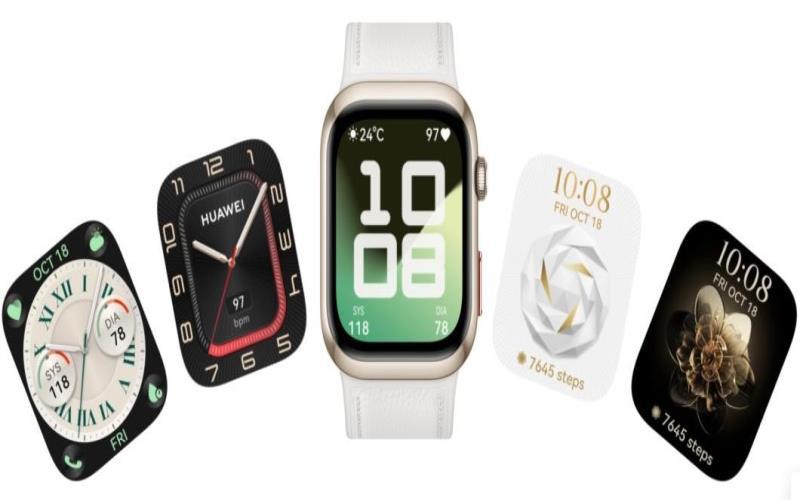
The HUAWEI WATCH D2 is a powerful tool in managing blood pressure. It features a 24-hour auto-monitoring plan that tracks blood pressure even during sleep, offering insights like average systolic and diastolic readings, pulse rates, and dynamic trends. With its TruSense system, high-precision pressure sensor, and easily replaceable inflatable airbag, the watch provides accurate and convenient on-the-go measurements. The Health Glance report synthesizes multiple key indicators, helping seniors understand their health better.
How to Use Data Trends for Better Health Decisions?
Utilizing data trends from wearable monitors like the huawei d2 watch helps in making informed health decisions. By analyzing dynamic trends and historical data, seniors can identify patterns or triggers affecting their blood pressure. This information can guide lifestyle adjustments, such as dietary changes or stress management practices. Consulting healthcare providers with this data allows for personalized treatment plans and proactive health management.
Conclusion
Managing blood pressure is crucial for seniors to maintain their health and quality of life. Understanding the challenges of aging, making lifestyle changes, and leveraging technology like the HUAWEI WATCH D2 can significantly aid in this process. Regular exercise, a balanced diet, and effective stress management are foundational strategies, while wearable technology provides valuable insights and monitoring capabilities. Combining these approaches ensures seniors can keep their blood pressure in check and enjoy a healthier, more active life.