
Why Refrigeration Matters in Cafés, Bakeries, and Coffee Shops
In the fast-paced world of cafés, bakeries, and coffee shops, refrigeration is much more than just a storage solution; it is a critical component of operations that ensures food safety, preserves product quality, and enhances workflow efficiency. Selecting the right commercial refrigeration equipment can dramatically affect the way a business functions, from the freshness of baked goods to the presentation of beverages and desserts.
Understanding the variety of options available, their specific benefits, and how they align with your establishment’s needs is essential for any owner or operator aiming to maximize both efficiency and customer satisfaction.
How Commercial Units Differ from Household Refrigerators
Unlike standard household refrigerators, commercial units are designed to withstand continuous operation, frequent door openings, and high turnover of products. For cafés, the equipment must balance functionality with visibility, as many establishments rely on display units to attract customers and encourage impulse purchases.
Similarly, bakeries require precise temperature control to maintain the integrity of pastries, cakes, and other delicate items, while coffee shops need compact, efficient units to store milk, syrups, and cold beverages in a space-conscious environment.
Reach-In Refrigerators for Busy Kitchens
One of the primary types of refrigeration frequently employed in these settings is the reach-in refrigerator. Reach-in models are upright units that provide ample storage while allowing staff to access ingredients quickly and efficiently. They are especially suited for kitchens where multiple staff members are working simultaneously and need organized access to prepped items.
With adjustable shelving, robust door gaskets, and energy-efficient compressors, reach-in refrigerators maintain consistent temperatures even in high-demand settings. Their versatility makes them a staple for many cafés and small bakeries where space may be limited but reliable cooling is non-negotiable.
Display Refrigerators for Customer Appeal
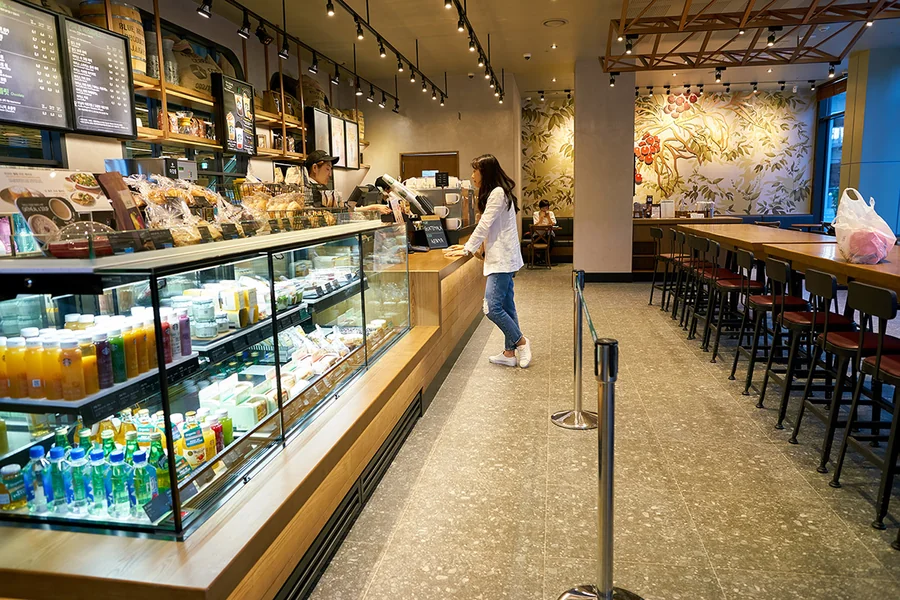
For establishments that emphasize product visibility, glass display refrigerators are a common choice. These units serve a dual purpose: they store products at safe temperatures and showcase them to entice customers. In a bakery setting, a display refrigerator allows customers to view cakes, pastries, or sandwiches without compromising freshness, while in coffee shops, cold beverages, prepackaged snacks, or desserts can be attractively presented behind clear glass doors.
Modern glass refrigerators often feature LED lighting, which illuminates products without generating excess heat, thereby improving energy efficiency. This is particularly important in high-traffic areas, where doors are opened frequently, and maintaining consistent internal temperatures is critical for food safety.
Undercounter and Worktop Refrigerators for Smooth Workflow
Bakeries and coffee shops also benefit from undercounter refrigerators and worktop refrigerators. These compact units are designed to fit beneath counters or prep tables, providing immediate access to ingredients without interrupting workflow.
For bakeries preparing fillings, creams, or doughs, having an undercounter refrigerator directly beneath the workstation reduces the time spent walking back and forth to a larger unit, thereby improving operational efficiency. Worktop refrigerators offer a similar advantage by combining refrigerated storage with a sturdy surface for prep work, integrating cooling seamlessly into the kitchen layout.
Industrial and Combination Units for High-Volume Needs
For businesses with high production volumes, larger units such as industrial refrigerators or commercial refrigerator and freezer combinations can provide the necessary capacity to store bulk ingredients and pre-prepared items. Industrial refrigerators, often in walk-in configurations, allow cafés or bakeries to maintain large quantities of perishable goods at consistent temperatures.
This is invaluable during busy periods, such as holidays or weekends, when demand surges and maintaining stock becomes critical. Similarly, combination units that integrate both refrigeration and freezing capabilities into a single footprint offer flexibility, enabling establishments to manage a wide variety of products without requiring multiple separate appliances.
Energy Efficiency and Cost Savings
Selecting the right refrigeration solution also involves considering the energy efficiency and operational costs of the units. Many modern commercial grade refrigerators are designed to meet strict energy standards, featuring variable-speed compressors, advanced insulation, and LED lighting.
Energy-efficient refrigeration not only reduces utility bills but also contributes to sustainability efforts, an increasingly important consideration for businesses that aim to appeal to environmentally conscious customers. For cafés and bakeries that operate around the clock, energy savings can be substantial over time, justifying the upfront investment in higher-quality equipment.
Temperature Control for Food Quality
Another key factor is temperature control precision. Different menu items have varying storage requirements. Milk and dairy products, commonly used in coffee shops for lattes and cappuccinos, require consistent cold temperatures to prevent spoilage. Pastries and cakes may require slightly higher refrigeration to maintain texture and flavor without drying out.
Many commercial refrigerators now offer digital thermostats, adaptive defrost cycles, and sensors that monitor internal conditions, ensuring that products are stored under optimal conditions. These features are especially valuable in busy cafés, where rapid service can sometimes compromise standard storage practices.
Designing the Right Layout for Efficiency
The layout and placement of refrigeration equipment within the business also play a crucial role in workflow efficiency. In small coffee shops, where space is often at a premium, undercounter refrigerators or compact reach-in units allow staff to access frequently used ingredients without crossing the kitchen multiple times.
In bakeries with separate production and display areas, industrial refrigerators or walk-in units can be placed in the back-of-house storage, while display refrigerators at the front showcase products to customers. This separation ensures that production does not interfere with customer service while maintaining product quality.
Maintenance and Durability
Maintenance and durability are other important considerations. Commercial refrigeration units are engineered to withstand constant use, but proper care ensures longevity and consistent performance. Regular cleaning of condenser coils, inspection of door gaskets, and monitoring of temperature settings are essential practices for cafés and bakeries to prevent energy waste and product spoilage.
Units with easily removable shelves, accessible drip trays, and straightforward maintenance procedures can significantly reduce the time and effort required to keep the equipment in optimal condition.
Choosing the Right Size and Configuration
When evaluating options for purchase, establishments may consider a range of suppliers and configurations. Commercial refrigerators for sale often come in various sizes and capacities, making it important to assess daily storage needs, menu style, and expected customer volume.
A size chart, often expressed in cubic feet, helps in estimating storage requirements and ensures that the chosen units can accommodate both current and anticipated future demand. Additionally, some high-end units, including branded options like Apple Refrigerators or similarly specialized commercial-grade models, may offer enhanced features such as quieter operation, sleek designs, or connectivity for monitoring temperature remotely.
Flexibility for Changing Menus
Flexibility is another important factor. As menus evolve seasonally or with customer trends, refrigeration needs can change. Modular systems, such as stacking display refrigerators or adjustable shelving units in reach-in refrigerators, allow cafés and bakeries to adapt storage configurations to meet changing requirements. This adaptability can reduce the need for additional purchases as business demands grow or shift, ultimately contributing to long-term operational efficiency.
Aesthetics and Presentation
In terms of product presentation, especially in customer-facing areas, aesthetics should not be overlooked. A well-lit, clean, and organized display refrigerator enhances the perceived quality of products and can influence purchasing behavior.
Glass doors, transparent shelving, and strategic lighting all contribute to an inviting presentation that complements the overall ambiance of a café or bakery. Even in production areas, the visual organization of reach-in or industrial refrigerators supports staff efficiency by allowing quick identification of ingredients and prepared items.
Balancing Capacity, Efficiency, and Customer Experience
Ultimately, the right commercial refrigeration solution for cafés, bakeries, and coffee shops is one that balances capacity, accessibility, energy efficiency, and adaptability. The choices range from compact undercounter units to large industrial refrigerators, from visually appealing display cases to multi-purpose combinations of refrigeration and freezing.
Each type serves a specific operational purpose, and when integrated thoughtfully into the workflow, these units enhance both productivity and customer satisfaction. Understanding the relationship between menu style, storage requirements, and equipment functionality ensures that businesses make informed decisions that support both day-to-day operations and long-term growth.
A Smart Investment for Long-Term Success
Selecting appropriate refrigeration equipment is an investment in the efficiency and quality of a café, bakery, or coffee shop. While initial costs may vary, the benefits of maintaining fresh products, optimizing workflow, and reducing energy consumption justify the expense. Businesses that prioritize these considerations can expect smoother operations, happier staff, and satisfied customers, all of which contribute to the success and longevity of the enterprise.
Final Thoughts on Choosing the Best Refrigeration Setup
By carefully assessing the specific needs of your menu, the volume of production, and the desired customer experience, it is possible to identify the ideal combination of reach-in refrigerators, display refrigerators, industrial refrigerators, or commercial refrigerator and freezer units. Coupled with thoughtful layout planning, attention to maintenance, and selection of energy-efficient models, these refrigeration solutions provide a foundation upon which cafés, bakeries, and coffee shops can thrive.