

As we head into 2026, interiors are evolving in ways that go far beyond paint swatches and furniture layouts. Increasingly, designers view a home as a unified composition, where ceilings, floors, mouldings, and subtle architectural details contribute as much to a space’s character as walls and decor. The result is a growing movement to treat every surface as part of the design narrative. Here’s why ceilings, floors, and hidden details are becoming central to contemporary interiors, and how this approach is shaping homes in 2026.
The Rise of the “Fifth Wall”
Traditionally, homeowners and decorators have considered ceilings simply as a backdrop. However, that paradigm is shifting. In 2026, ceilings are being reimagined as canvases: the “fifth wall.” As noted by design‑trend watchers, floors and ceilings are now “the new canvas,” offering opportunities for dramatic expression underfoot and overhead.
This means paint‑only ceilings, or worse, ceilings forgotten altogether, are giving way to bold treatments: statement finishes, sculptural shapes, unexpected colors, and architectural flourishes. Designers are using ceilings to frame a room, draw the eye upward, shift proportions, or simply add personality and drama in a subtle yet powerful way.
The impact of this shift is profound: rooms feel more intentional, complete, and layered, as every surface contributes to the atmosphere. Rather than walls alone telling the story, the entire shell of a room becomes part of the narrative.
Flooring as Foundation and Feature
Just as ceilings are coming into their own, floors are no longer a passive base under furniture, they’re a defining surface. In 2026, flooring is getting the treatment it deserves: pattern, texture, material depth, and even artistic expression.
One of the standout trends this year is the renewed embrace of classic wood parquet, especially in the elegant, time‑honored herringbone layout. The pattern offers a sophisticated alternative to standard straight-plank floors, introducing subtle movement and rhythm underfoot while preserving the warmth and natural texture of wood.
Beyond wood, floors are seeing creative uses of tile, stone, and graphic patterns. Hexagonal tiles, bold geometric layouts, and intricate designs are increasingly popular, turning a hallway, kitchen, or bathroom floor into a visual statement. Cement tiles with decorative motifs, inlaid wood borders or medallions, and patterned tiling all contribute to spaces that feel custom and curated rather than off-the-shelf.
Texture, Materiality, and the Appeal of the Handmade
As minimalism continues to soften and the design pendulum swings toward warmth, tactility and authenticity, textured surfaces are becoming essential. In 2026, we’re seeing a strong influence of natural, handcrafted materials: surfaces that invite touch and reveal their character over time.
Ceilings may be clad in wood slats, exposed beams, or even plasterwork that adds subtle undulations and depth. Some designers are experimenting with layered or 3D surfaces, incorporating wood paneling, decorative molding, or sculptural suspended ceilings that reflect light in interesting ways and create dynamic shadow plays.
Floors, too, benefit from this tactile sensibility. Natural hardwood with visible grain, stone floors with irregular veining, handmade tile floors with geometric or traditional motifs: all of these lend a sense of history and craftsmanship to a home. This aesthetic resonates especially in a world saturated with mass-produced finishes; many homeowners are seeking rooms that feel human, real, and lived-in rather than sterile and uniform.
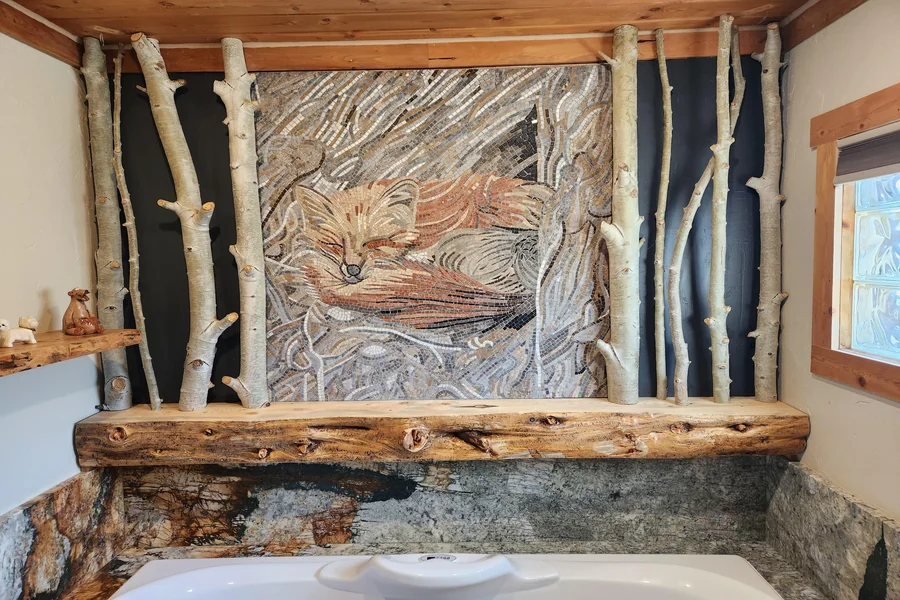
In this environment, elements like custom mosaic artwork find renewed relevance, whether used in a bathroom floor, kitchen backsplash, or as a decorative border along a floor or ceiling. Such touches remind us that interior design isn’t just about utility, but about artistry and individuality.
Hidden Details: Mouldings, Transitions, and Architectural Nuance
Part of what makes the 2026 interior design ethos so compelling is the renewed appreciation for the subtle, often overlooked details that quietly shape a space’s feel: crown molding, baseboards, transitions between surfaces, ceiling medallions, inglenooks, beams, and more.
Where once homeowners might have opted for the simplest, most generic elements, there is now a growing appetite for refinement. Crown moldings are reinterpreted with clean lines or subtle curves; baseboards and trim joinery are treated as opportunities for shadow play or soft contrast; ceiling medallions are being reimagined for contemporary settings, often in minimal or hybrid styles.
These hidden architectural details offer more than decoration. They enhance the transitions between walls, ceilings, and floors, grounding a space and giving it cohesion.
Light, Shadow, and the Feel of a Room
Designing ceilings and floors as active surfaces changes how light behaves in a space. Ceilings that incorporate wood slats, plaster textures, or sculptural forms interact with natural and artificial light, casting soft shadows, creating depth, and adding warmth. Integrated lighting becomes part of the architectural fabric rather than an afterthought.
On floors, materials like wood, tile, or stone, especially when polished or finished with subtle sheen, reflect light differently throughout the day, shifting mood and ambience. Patterned or textured surfaces can guide the eye, define zones, and add rhythm to open-plan interiors.
Moreover, these design choices influence perception of space. Ceilings painted or treated thoughtfully can make a room feel taller or more intimate, depending on the desired effect. Floors that extend uninterrupted across zones can visually unify open spaces, while patterned flooring can delineate distinct areas without physical walls.
Sustainability, Craftsmanship and a More Personal Interior Language
The move toward treating all surfaces as design opportunities goes hand in hand with a preference for sustainability, quality materials, and craftsmanship. Rather than embracing fast trends and disposable decor, many 2026 interiors celebrate what is built to last. 
The use of natural materials, such as wood, stone, textiles, connects modern homes to timeless traditions. It also reflects a growing awareness of ecological impact and responsible consumption. A floor of oak parquet, a suspended wood-panel ceiling, or handcrafted tilework reflects an investment not just in style but in durability and heritage.
This approach resonates with those who view their homes as stories: spaces that evolve, accumulate memories, and reflect individuality. Hidden details and thoughtful surfaces become part of that story, offering character and depth that can’t be replicated by mass‑produced decor.
Designing With Intention: Practical Advice for 2026 Interiors
Designing a home with this holistic, surface‑aware approach requires vision and intention. Rather than treating ceilings, floors, and details as afterthoughts, the most successful interiors in 2026 begin by considering the space from the top down and bottom up.
Start by asking: how do you want the room to feel? Do you want spaciousness, height, airiness? Then consider using a lighter-tone wood floor that reflects light or a ceiling finished in a soft, cool color to draw the eye up. If you dream of warmth and intimacy, select natural wood, stone, or textured plaster: perhaps a warm-toned herringbone parquet floor paired with a lightly beamed or softly paneled ceiling.
Think about transitions: how walls meet ceilings and floors. Simple, well-chosen moldings, trim, or skirting boards can make the difference between a room that feels unfinished and one that feels complete. Rather than tight matches, consider subtle contrasts — for example, a warm wood floor offset with a cooler-toned ceiling or neutral walls — to help surfaces stand out in their own right while maintaining harmony.
If your budget allows, consider artisanal or handcrafted elements. Whether mosaic tilework underfoot or a custom ceiling treatment overhead, these touches bring individuality and timelessness. And if you’re in a smaller space, even small investments like a statement floor tile in an entryway or a moulded ceiling medallion in a bedroom can add disproportionate charm.
Finally, don’t forget light. How natural daylight moves through the space will interact with textures, finishes, and materials in subtle ways. Aim for finishes that respond to light differently: mattes that soak it up, polished surfaces that reflect it, wood grains that warm it, plaster that softens it.
The Bigger Picture: Interiors That Feel Designed with Intention
Ultimately, the shift toward treating ceilings, floors, and hidden details as integral components of interior design reflects a broader change in how we approach our homes. Rather than viewing them as blank shells to be filled with furniture and color, 2026 interiors increasingly treat living spaces as complete architectural compositions.
This holistic view champions quality over quantity, craftsmanship over convenience, and intention over impulse. It is less about following fleeting trends and more about creating spaces that feel whole, considered, personal. It is about interiors that age gracefully, accumulate memories, and reflect the people who inhabit them.
By giving equal weight to ceilings and floors, by celebrating materials and textures, and by embracing details often hidden from the limelight, we build homes that feel designed from the inside out.
In 2026, your space isn’t just shaped by what’s on the walls, it’s shaped by what’s under your feet, above your head, and all around you. And that, perhaps, is the truest statement of style.