
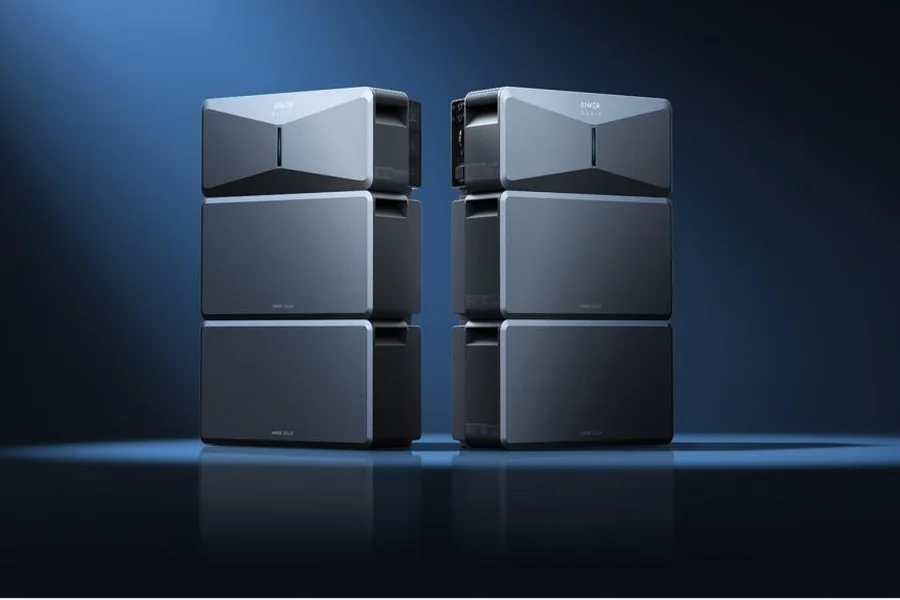
Home battery backup systems offer a viable solution for an uninterrupted power supply. While often paired with solar panels, these batteries can function independently. This independent operation ensures backup power availability even without harnessing solar energy. By understanding the dynamics of battery backups without solar, homeowners can make informed decisions that align with their power needs and financial circumstances. This piece demystifies the operation, benefits, and downsides of such systems, as well as a comparison with solar-integrated setups, offering a comprehensive guide to those considering this option.
How Standalone Battery Backup Systems Work?
Standalone battery backup systems store electricity from various sources, ensuring reliable power during outages. They act as a reservoir, storing energy when it’s cheap and providing it when the grid fails.
Charging Methods Without Solar
Without solar panels, battery systems can charge from the grid during off-peak hours when electricity is cheaper. This smart operational feature allows users to leverage time-of-use rates, minimizing costs. Another method is integrating with compatible generators, like Anker SOLIX E10, which supports existing 120V/240V AC generators up to 9.6kW. This compatibility ensures that even during prolonged outages, there’s an alternative power source to replenish the batteries. Additionally, modern systems incorporate advanced technologies for efficient energy use and smart home integration for seamless operation, further enhancing their reliability and convenience in managing battery backup for home energy needs.
Core Components of Backup Battery Systems
Battery backup systems comprise key components: batteries, inverters, and power management systems. However, even without solar, the inverter and management system efficiently convert and regulate the stored power to household AC current for immediate use. These components work cohesively to ensure uninterrupted power during outages and facilitate efficient energy use. This integration allows the system to maximize its input, even from non-solar sources, making it a versatile solution for diverse power needs.
Benefits of Battery Backup Without Solar
Even without solar input, battery backups provide robust, reliable solutions, enhancing energy security and financial savings.
Reliable Power During Outages
One major advantage is enhanced reliability. By storing grid electricity, these systems provide backup power during outages, ensuring homes remain operational without interruption. This feature is crucial for areas prone to power cuts or severe weather conditions. Standalone battery setups offer reliable performance even when solar input isn’t viable. Unlike generators that require fuel and emit noise, batteries offer a silent, clean, and maintenance-free operation. They also switch seamlessly during power failures, reducing the risk of damage to sensitive appliances. Therefore, homeowners gain peace of mind, knowing they have a reliable fallback option.
Cost and Flexibility Advantages
Battery backups without solar also bring notable cost benefits. Charging from the grid during off-peak hours helps homeowners lower their electricity bills, leveraging fluctuating energy prices. This system’s flexibility allows users to strategically manage their energy usage and minimize costs. Such systems can be adapted to increasing energy demands without needing additional infrastructure, thanks to advancements like the Anker SOLIX’s flexible compatibility features. Furthermore, avoiding the initial investment in solar panels reduces upfront costs, making battery backups more accessible. These financial and operational advantages position standalone battery systems as a practical, budget-friendly energy solution.
Downsides and Things to Consider
Despite the benefits, standalone battery systems present some challenges and require careful consideration before purchase.
Higher Electricity Costs
One significant downside of using standalone batteries without solar is potentially higher electricity costs. Without a free solar input, these systems rely on grid electricity, which can be expensive if not meticulously managed. Homeowners need to strategically utilize off-peak rates to minimize costs, demanding diligence in energy usage patterns. Despite their cost-saving features, if mismanaged, the system may not offset the initial investment as effectively. Unlike solar-backup systems that utilize free energy, reliance solely on paid electrical sources may result in less economic efficiency over time, influencing the overall return on investment for households.
Limited Independence From Grid
Using battery storage without solar panels also means limited energy independence. A solar-battery hybrid enhances self-sufficiency, while standalone systems remain tethered to grid availability and pricing. Thus, despite their backup capabilities, these systems can’t entirely eliminate reliance on external power sources. During extended grid outages, if alternative charging sources like generators aren’t available, the stored energy may deplete quickly. Consequently, users might still face power shortages. Homeowners need to evaluate potential disruptions and weigh the significance of energy independence in their decision-making process. This limitation remains a critical factor in assessing the viability of standalone battery systems.
Battery Backup vs. Solar-Integrated Storage
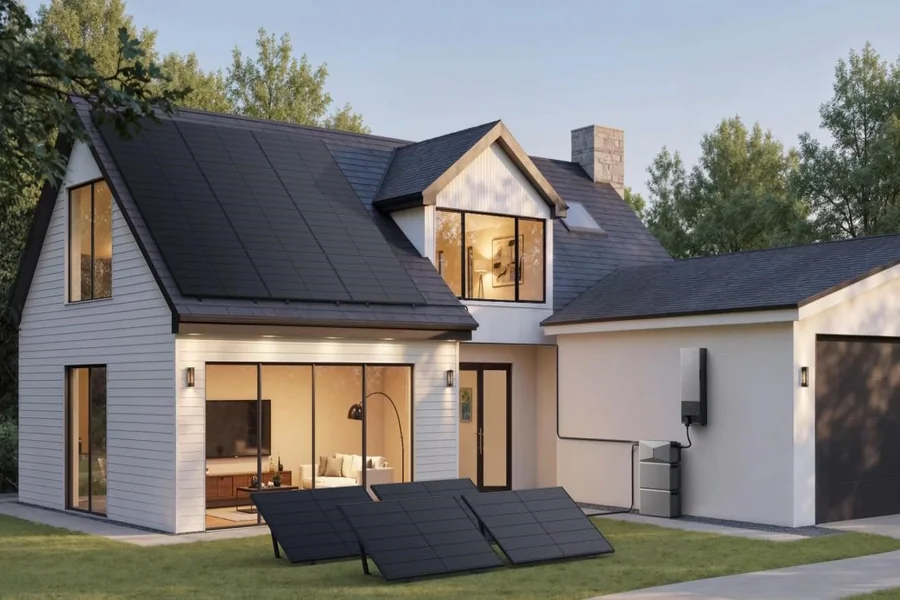
Comparing standalone battery backup systems with solar-integrated storage highlights distinct operational and financial considerations. Solar-integrated setups offer the advantage of utilizing free, renewable energy, reducing ongoing costs, and providing a green energy solution. They promote energy independence by minimizing reliance on grid power, potentially leading to long-term savings. In contrast, standalone batteries give immediate benefits through a lower initial investment and simpler installation. However, they depend on grid power, which increases operational costs over time. Products like Anker SOLIX E10 illustrate how integration with existing systems can offer a blend of these benefits. Ultimately, the choice depends on balancing immediate costs against long-term sustainability and independence goals.
Conclusion
Home battery backup systems can successfully operate without solar panels, offering reliable power during outages and flexible charging options. However, they also present specific challenges, such as higher dependence on grid electricity and associated costs. For those seeking an economical initial outlay and operational simplicity, standalone batteries provide an attractive solution. Alternatively, solar integration offers greater independence and environmental benefits. Evaluating energy needs, budget constraints, and long-term sustainability goals is crucial for selecting the right system. Whether it’s for backup, cost savings, or energy independence, understanding these systems’ dynamics ensures an informed decision that optimally supports your lifestyle.