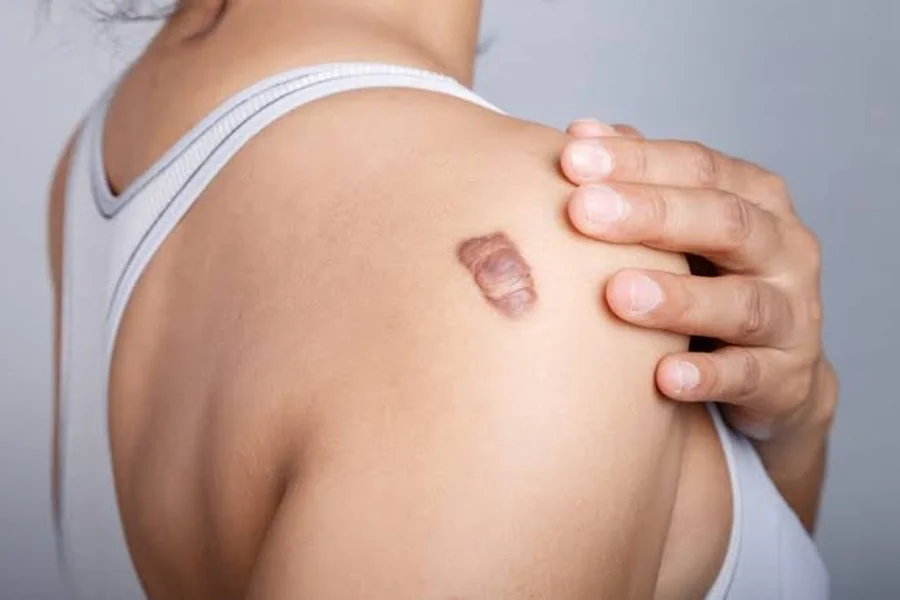
 Keloid scars are raised, thickened areas of scar tissue that extend beyond the boundaries of the original wound. They may develop after acne, ear piercings, surgery or even minor skin injuries. Unlike ordinary scars, keloids can continue to grow over time and may cause itching, tenderness or discomfort, particularly when located on the chest, shoulders or earlobes. Their appearance can also affect self-confidence, leading some people to explore treatment options.
Visiting an aesthetic clinic Singapore can provide an opportunity to have raised scars assessed and discuss suitable management approaches based on their size, location and symptoms. Understanding the characteristics of keloids and the available treatments can help individuals make informed decisions about their skin concerns.
How To Recognise A Keloid Scar
Keloid scars typically appear as firm, raised growths that develop at the site of a previous skin injury and gradually extend beyond the original wound. Their surfaces may be smooth or shiny, with colours ranging from pink and red to brown or purple, depending on the individual’s skin tone and the scar’s maturity. Keloids commonly develop on the chest, shoulders, upper back, earlobes and jawline.
Some may continue to enlarge over several months or years, while others remain relatively stable. It is also important to distinguish keloids from hypertrophic scars, which are raised but remain within the boundaries of the original wound. A proper assessment can help determine the type of scar and guide decisions about appropriate treatment options.
Why Do Keloid Scars Develop?
Keloid scars form when the body produces excess collagen during the wound-healing process, causing scar tissue to build up beyond the area of the original injury. They may develop after various forms of skin damage, including acne, cuts, burns, surgical incisions, vaccinations and ear piercings. However, not everyone who experiences these injuries will develop a keloid. Genetics and family history can play a role, as some individuals are more susceptible to excessive scar formation than others.
Keloids are also more common in people with darker skin tones, although they can affect individuals of any skin colour. Because their development depends on several factors, preventing keloids entirely may not always be possible. Understanding personal risk factors can help individuals make informed decisions about skin procedures and seek advice if a wound begins to develop raised or thickened scar tissue.
When Should You Seek Professional Assessment?
Although keloid scars are generally harmless, seeking professional assessment is advisable if a scar continues to grow, becomes increasingly itchy or painful, or causes discomfort during everyday activities. For example, a raised scar over the shoulder may rub against clothing, while an earlobe keloid may interfere with wearing earrings. Some individuals may also feel self-conscious about scars in visible areas, such as the face or neck.
It is particularly important to have a new or changing skin growth assessed if its cause is unclear, as not every raised lump is a keloid. A qualified medical practitioner can examine the affected area, review its development and determine whether further investigation is needed. Early assessment can also help clarify which management options may be appropriate and whether treatment is likely to improve symptoms or the scar’s appearance.
Treatment Options For Keloid Scars
Several treatment options may help manage keloid scars, depending on their size, location, thickness and associated symptoms. The aim may be to reduce the scar’s height, relieve discomfort or improve its appearance. Common options include:
- Corticosteroid Injections: These injections can help soften and flatten keloids while reducing itching and tenderness. Multiple sessions may be needed to achieve a response.
- Silicone Gel or Sheets: These may be recommended as part of a scar management plan, particularly for selected scars.
- Cryotherapy: This treatment uses extreme cold to target scar tissue and may be suitable for certain smaller keloids. Changes in skin pigmentation can occur, particularly in darker skin tones.
- Laser Treatments: Depending on the type of laser used, treatment may help reduce redness or address specific scar characteristics. It may not significantly flatten every keloid.
- Surgical Removal: Surgery may be considered for selected keloids, particularly larger or persistent ones. However, keloids have a substantial risk of returning after removal, so additional treatment may be recommended.
No single treatment is suitable for everyone, and complete removal cannot be guaranteed. A medical practitioner can assess the scar and discuss the potential benefits, limitations and risks of each option before recommending an individualised treatment plan.
What To Expect at An Aesthetic Clinic Singapore
When visiting an aesthetic clinic Singapore for keloid concerns, the consultation typically begins with an assessment of the scar and a discussion of its history. The practitioner may ask when the scar first appeared, whether it has changed in size and whether symptoms such as itching or tenderness are present. Previous treatments and any personal or family history of keloid formation may also be relevant. Based on these details, the practitioner can evaluate the scar’s characteristics and discuss suitable management options.
Treatment recommendations may vary depending on the scar’s location, thickness, size and response to previous interventions. It is also important to understand that keloid management may require multiple sessions, follow-up appointments and ongoing monitoring. Before proceeding, patients should discuss potential side effects, expected recovery time, treatment costs and the possibility of recurrence to make an informed decision about their care.
Conclusion
Keloid scars can cause persistent itching, discomfort and cosmetic concerns, but several treatment options may help manage their appearance and symptoms. As keloids can recur after treatment, professional assessment is important to determine a suitable approach based on the scar’s characteristics and individual needs. Considering treatment for a keloid scar? Contact our aesthetic clinic, at:
Cove Aesthetic Clinic: Wheelock Place | Dark Eye Circles | Pigmentation | Laser | Ultherapy
Wheelock Place (Orchard)
501 Orchard Rd, #04-07, Singapore 238880