
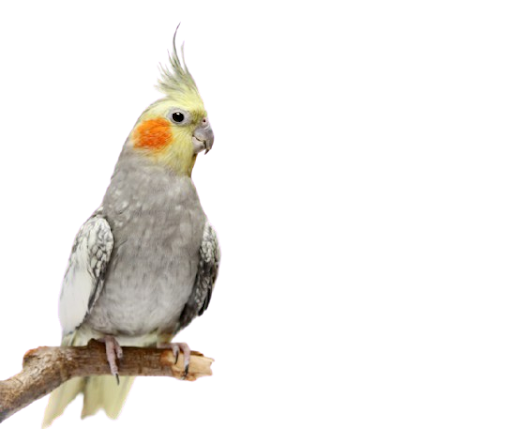
When someone contacts me about Buy Cockatiels, I always encourage them to slow down and look beyond feather color or a pretty photograph. Choosing a cockatiel is a long-term commitment, so I want a new owner to understand the bird’s temperament, daily care, diet, housing, and adjustment before making a decision.
What I Look For in a Young Bird
After spending years around these birds, I have learned that a healthy-looking cockatiel should be alert and responsive rather than simply sitting quietly in a corner. I like to see a bird that pays attention to its surroundings, grips its perch normally, moves comfortably, and shows interest in food or activity.
Feather condition is another useful part of the picture. The plumage should be reasonably clean and well maintained, while the eyes and nostrils should not show obvious discharge. A bird that appears unusually weak, fluffed up for extended periods, breathing with difficulty, or uninterested in its surroundings deserves proper veterinary attention rather than a rushed sale.
I also pay attention to personality. Not every bird will behave exactly the same way. One may be curious and eager to step toward a person, while another may need more time before accepting handling. That difference does not automatically mean one bird is better than another. Good socialization is built gradually through calm, consistent interaction.
Young, properly socialized cockatiels can make wonderful companions. Veterinary guidance also recommends having a newly acquired bird examined by a veterinarian experienced with birds after bringing it home.
Preparing Before Your Cockatiel Arrives
A common mistake is buying the bird first and thinking about the setup afterward. I prefer the opposite approach. Have the cage assembled, food and water dishes cleaned, safe perches installed, and a quiet location prepared before the bird arrives.
The cage should provide enough room for normal movement and wing activity. A larger enclosure is preferable when your home allows it, provided the spacing and construction are appropriate for a cockatiel.
I also recommend planning for daily interaction. Cockatiels are social, active birds that benefit from attention, exercise, enrichment, and safe opportunities to explore outside the cage. Bird-safe toys, untreated wood, paper, and other appropriate chewing materials can help provide useful activity.
Feeding Matters More Than Many New Owners Realize
One of the first conversations I have with a new owner is about food. A seed-only diet may seem natural because cockatiels enjoy seeds, but seeds alone do not provide a complete nutritional program. A balanced diet should include appropriately formulated pellets along with suitable fresh foods and controlled amounts of seed.
Fresh, clean drinking water should be available every day, and food and water dishes need regular cleaning. Fruits and vegetables should be washed and offered in suitable portions, while foods such as avocado, onion, chocolate, alcohol, and caffeine should be avoided.
If a bird has been eating mostly seeds, do not suddenly remove its familiar food and assume it will immediately understand pellets. Dietary changes should be gradual, with the bird’s condition and food intake monitored carefully.
Think Beyond the Purchase
A cockatiel is not a decoration for the living room. It is a living companion that needs appropriate nutrition, housing, enrichment, cleaning, interaction, and veterinary care.
Cockatiels can live for many years, so bringing one home represents a meaningful long-term commitment. That is why I encourage buyers to ask practical questions before taking a bird home: What is the bird eating? How has it been handled? What routine is it accustomed to? Is it eating independently? What care will it need after arriving?
If you are considering Buy Cockatiels, my advice is simple: choose the bird based on health, behavior, preparation, and compatibility with your household—not appearance alone.
Cockatiels: What New Owners Should Know Before Bringing One Home
Cockatiels are small parrots with surprisingly individual personalities. Some are outgoing from the first interaction, while others watch carefully before deciding that a new person is safe. When helping families choose Cockatiels, I tell them that patience and consistency usually matter more than trying to force a bird to become friendly immediately.
Getting to Know Their Personality
A cockatiel can be affectionate without behaving like a dog or cat. Many enjoy sitting near their owners, climbing onto a hand, whistling, or participating in household activity. Others prefer having their personal space respected until trust develops.
These birds are known for being active, intelligent, and relatively quiet compared with larger parrots. They can whistle beautifully and some learn words, although their vocal abilities vary from bird to bird.
I never recommend judging a young bird solely by how it behaves during one short meeting. Moving, handling, unfamiliar surroundings, and new people can temporarily change a bird’s behavior. Give the bird time to settle and observe how it behaves once it feels secure.
Daily Interaction Is Part of Ownership
A cockatiel needs more than a cage filled with food. Mental stimulation and physical activity are important parts of everyday care. Safe toys, chewing materials, supervised time outside the cage, and regular interaction can make a significant difference.
I like to give young birds simple opportunities to investigate their surroundings rather than overwhelming them with too many new things at once. A calm voice, predictable routine, and gentle handling can help establish trust.
If the bird backs away, hisses, or tries to escape during handling, forcing the interaction usually works against you. Give it space, then try again later. Building trust is a process.
Food Should Be Part of Your Buying Decision
Before taking a bird home, find out what it is already eating. Sudden dietary changes can create unnecessary stress.
Veterinary nutrition guidance emphasizes that seeds should not automatically become the entire diet. A properly formulated pelleted food can provide an important nutritional foundation, with suitable vegetables, fruit, and controlled seed portions added according to the bird’s needs.
Fresh water should always be available. Food and water containers should be cleaned regularly, and fresh produce should not be left sitting in a warm cage long enough to spoil.
This is one reason I tell new owners that feeding is something to learn before the bird arrives rather than something to figure out afterward.
Housing and Safety
The cage needs enough space for the bird to move comfortably and exercise its wings. Perches should be appropriate for the bird, and the cage should contain safe enrichment without becoming so crowded that movement is restricted.
The surrounding room matters too. Kitchens can present hazards, and household fumes, unsafe materials, open windows, ceiling fans, other pets, and accessible electrical cords can all create problems for a curious bird.
When a cockatiel is allowed outside its cage, supervision is important. A bird that appears calm can move extremely quickly when startled.
Veterinary Care Is Not Optional
A newly acquired bird should receive a health examination from a veterinarian experienced with birds. Routine examinations can help identify nutritional, behavioral, or health problems before they become more difficult to manage.
I also tell owners to learn what is normal for their individual bird. Changes in appetite, droppings, activity, breathing, weight, or behavior can be important and should not simply be dismissed as the bird having a bad day.
Choosing the Right Bird for Your Home
If you are considering Cockatiels, think about your lifestyle before choosing one. Do you have enough time for daily interaction? Can you provide a suitable cage and balanced nutrition? Are you prepared for a commitment that can last many years?
The right bird is not necessarily the one with the most striking color. A good match is a bird whose needs fit comfortably into your household and whose care you are genuinely prepared to provide.
That is the approach I use when talking with people through Buy Cockatiels: look at the whole picture, ask questions, and make the decision because you are ready to care for a companion bird—not simply because you saw a beautiful photograph.
Cockatiels for Sale: What to Check Before You Buy
Finding Cockatiels for sale is easy; finding a bird that is a sensible match for your home takes more thought. When I speak with prospective owners, I encourage them to look at health, socialization, feeding history, independence, and the conditions in which the bird has been raised.
Don’t Choose by Color Alone
Color mutations can be beautiful, but appearance should not be the first thing you evaluate. Lutino, pied, pearl, cinnamon, and other combinations can all be attractive, but the basics of health and behavior come first.
I want a buyer to look at the bird as a living animal. Is it alert? Does it respond to movement and sound? Does it perch normally? Is it eating? Does it show reasonable interest in its environment?
None of these observations replaces a veterinary examination, but they are useful questions to ask before making a commitment.
Ask About the Bird’s Routine
One of the most useful questions a new owner can ask is what the bird’s current routine looks like.
Find out what food it receives, how often it is handled, whether it has been exposed to different people, and whether it is accustomed to being around normal household activity. A young bird that has been calmly introduced to different experiences may have an easier time adjusting to a new home.
I prefer gradual exposure rather than throwing a nervous bird into a completely unfamiliar environment.
Feeding a Newly Purchased Bird
The first days after bringing a bird home are not the time for unnecessary experiments. Keep its routine as familiar as possible while it settles.
A balanced diet is important because an all-seed diet can leave nutritional gaps. Formulated pellets can form an important part of the diet, with appropriate fresh foods and smaller amounts of seed added for variety.
If you need to change the diet, make the transition gradually. Some birds take considerably longer than others to accept a new food. Monitoring food intake and weight is especially important during dietary changes.
Prepare the Cage Before Pickup or Delivery
I strongly recommend preparing the home before collecting the bird.
Have clean food and water dishes ready. Set up secure perches and safe toys. Choose a location where the cockatiel can observe household activity without being constantly disturbed.
The cage should provide sufficient room for normal movement. A larger enclosure can provide additional room when practical, provided it is safe and properly designed.
What About Veterinary Care?
A responsible owner should already know where the nearest qualified avian veterinarian is located.
New birds should receive an examination from a veterinarian experienced with birds. Such a visit can cover nutrition, housing, grooming, socialization, and general health.
Do not wait until an emergency to discover that there is nobody nearby who treats birds.
Buying With the Long Term in Mind
The birds I recommend are not impulse purchases. A cockatiel can become part of a family for many years.
That means the real question is not simply, “Which bird do I want?” It is also, “Can I provide this bird with a stable home for the years ahead?”
When someone contacts Buy Cockatiels about Cockatiels for sale, I want them to leave the conversation with realistic expectations. Ask about the bird, understand its routine, prepare properly, and choose carefully. A thoughtful beginning gives both owner and bird a much better chance of a successful relationship.
Cockatiels for Sale Near Me: What to Consider Before Bringing One Home
When people search for Cockatiels for sale near me, they are usually looking for convenience, but distance should not be the only consideration. The closest bird is not automatically the right bird. I encourage buyers to consider the bird’s health, care history, temperament, transportation arrangements, and the support available after purchase.
Start With the Bird, Not the Distance
A nearby seller may be convenient, but a responsible purchase begins with good questions.
Ask how the bird has been fed, whether it is eating independently, how it has been handled, and what kind of environment it has been living in. If the bird is young, ask about its development and whether it has been properly socialized.
When possible, observe the bird before making a final decision. You want to see an alert animal that is responsive to its surroundings rather than relying entirely on a photograph.
Location Still Matters
If you are searching locally, consider how far you will need to travel and how the bird will be transported. A short, well-planned journey is preferable to turning the trip into an unnecessarily stressful experience.
Prepare an appropriate carrier and keep the bird protected from extreme temperatures, drafts, excessive noise, and unnecessary handling during transportation.
Once the bird arrives, give it time to settle. I have seen new owners become concerned because a bird is quiet immediately after a move. A new environment can be overwhelming, so patience during the first days is important.
Have the New Home Ready
Before collecting the bird, prepare its cage and feeding area. Fresh water should be available, and the food should initially be as familiar as possible.
Veterinary guidance recommends a nutritionally balanced diet rather than relying exclusively on seed. Formulated pellets can form an important part of the diet, alongside appropriate fresh foods and controlled portions of seed.
Do not make several major changes at once. Moving homes is already a significant adjustment.
Local Veterinary Support Is Valuable
One of the benefits of buying locally is being able to establish a relationship with a nearby avian veterinarian. I recommend identifying one before the bird comes home.
A new bird should be examined by a veterinarian familiar with birds, particularly one with appropriate avian experience.
This becomes especially useful if you notice a sudden change in appetite, droppings, activity, breathing, or general behavior.
Be Careful With “Near Me” Listings
A local search result can make a purchase feel simple, but do not let convenience replace due diligence.
Be cautious if a seller refuses reasonable questions, provides vague information about the bird, pressures you to pay immediately, or makes health claims that cannot be supported. A good transaction should leave you comfortable asking questions.
At Buy Cockatiels, I prefer buyers to understand what they are taking responsibility for before committing. The goal is not merely to place a bird in a new home; it is to make sure the owner is prepared for the care that follows.
A Local Purchase Can Be a Great Beginning
The best local purchase is one where the buyer has enough information to make an informed decision and enough preparation to give the bird a smooth transition.
If you are searching for Cockatiels for sale near me, compare the actual care standards and the bird’s condition rather than choosing solely on distance or price. A few extra questions before purchase can prevent many problems afterward.
Your new companion deserves a calm beginning, suitable nutrition, safe housing, regular interaction, and proper veterinary care. Those fundamentals matter regardless of how close the seller happens to be.
Cockatiel Birds for Sale: Finding a Healthy, Well-Socialized Companion
Cockatiel birds for sale can look very different from one another, but the most important differences are not always visible in a photograph. When I help someone choose a bird, I pay attention to behavior, condition, feeding routine, socialization, and whether the prospective owner understands what caring for a cockatiel actually involves.
Look for an Alert, Responsive Bird
A healthy bird should generally be attentive to its surroundings. I like to see normal movement, secure perching, interest in its environment, and a reasonable appetite.
Look closely at the bird rather than rushing because you like a particular color. Clean-looking feathers, clear eyes, normal breathing, and active behavior are useful observations, although none of them can replace professional veterinary assessment.
A bird that looks unusually weak, remains fluffed for an extended period, has difficulty breathing, or shows other concerning symptoms should receive veterinary attention.
Socialization Makes a Difference
Cockatiels are individuals. Some birds readily approach people, while others need time to build confidence.
For young birds especially, gentle handling and gradual exposure to different people and situations can help them become more comfortable with normal household life. Gradual exposure to different people, environments, and experiences can help young birds become calmer and better adjusted.
I prefer a bird to learn that human hands are safe rather than being repeatedly grabbed or chased. Short, positive interactions usually make more sense than forcing contact.
Feeding Is Part of Responsible Ownership
Before taking a bird home, learn exactly what it is eating.
Cockatiels naturally enjoy seeds, but a seed-only approach can create nutritional problems. A balanced diet should include formulated pellets as an important component, alongside appropriate fresh foods and smaller portions of seed.
Fresh drinking water should be provided every day. Food dishes should be kept clean, and fresh produce should be removed before it has an opportunity to spoil.
If you decide to change the bird’s diet after bringing it home, make the change gradually. Some birds can take considerable time to accept unfamiliar food.
Give the Bird Enough Space
A cockatiel needs room to move, climb, exercise, and spread its wings. Cage design matters just as much as cage decoration.
I also recommend providing safe toys and chewing materials. Cockatiels are active birds, and boredom can lead to unwanted behaviors. Safe, untreated wood, paper, and suitable bird toys can give them productive ways to stay occupied.
Think About the Commitment
The purchase itself is only the first step. Your bird will need food, cleaning, enrichment, interaction, and veterinary care throughout its life.
Cockatiels can live for many years, which makes them a genuine long-term commitment. That is why I encourage buyers to think carefully about their schedule and household. If you travel frequently, have other animals, or have young children, plan how the bird will be kept safe and cared for.
Choosing Through Buy Cockatiels
When someone contacts Buy Cockatiels about Cockatiel birds for sale, I want the conversation to be about more than availability. A good buyer should know what to expect before taking a bird home.
Ask questions. Learn the bird’s routine. Prepare the cage. Know where you can obtain avian veterinary care. And most importantly, choose the bird because you are ready to provide a stable home for years to come.
That is how I believe a bird purchase should begin: with realistic expectations, careful preparation, and genuine interest in the animal’s long-term welfare.