
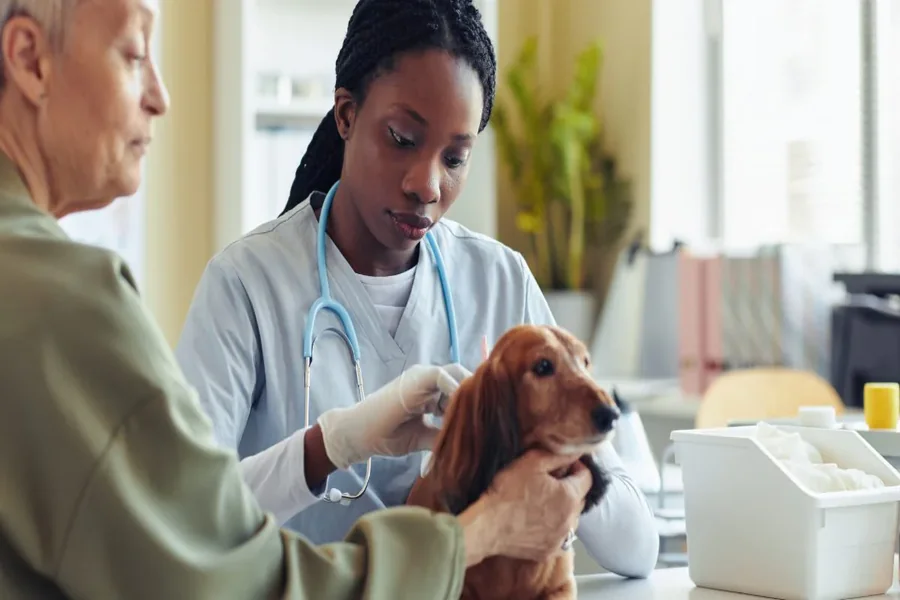
You might have noticed the changes slowly at first. Your dog takes longer to stand up after a nap. Your cat stops jumping to a favorite window perch. Meals, sleep, litter box habits, and energy all start to look a little different, and suddenly you are wondering what is normal aging and what is a sign that something needs attention. That uncertainty can feel heavy, especially when your pet has been by your side for years. A trusted North Augusta, SC vet can help you understand those changes and decide when extra attention is needed.
The good news is that aging does not mean your pet has to lose comfort or joy. The role of vets in supporting senior pet health is to help you spot changes early, manage pain, track chronic conditions, and adjust care as your pet’s needs shift. With a trusted general veterinarian, many older pets can enjoy more good days, more ease, and a better quality of life.
Why does senior pet care matter so much as pets get older?
Aging pets often hide discomfort well. That is one reason families miss early signs of arthritis, dental disease, kidney trouble, weight loss, hearing changes, or cognitive decline. You may think, “Maybe my pet is just slowing down,” and sometimes that is partly true. But sometimes slowing down is the first clue that your pet needs support.
This is where senior pet care becomes so important. Regular veterinary visits create a baseline, which makes it easier to notice when something shifts. A vet is not only looking for disease. They are also watching for mobility changes, behavior patterns, nutrition needs, and the small signs that tell a bigger story.
For older cats, even subtle changes can matter. Cornell’s guidance on loving care for older cats explains that aging can affect appetite, grooming, litter box habits, and comfort at home. Those changes are easy to dismiss until they start adding up. A vet helps you separate “getting older” from “needs treatment.”
What does a veterinarian actually do for an aging dog or cat?
So, where does that leave you when your pet is no longer young but not clearly sick either? In many cases, your veterinarian becomes both a medical guide and a practical partner. They assess your pet from several angles, not just one symptom at a time.
A routine senior visit may include a physical exam, weight and body condition check, dental review, mobility assessment, and discussion of behavior changes at home. Depending on your pet’s age and symptoms, a vet may also suggest bloodwork, urine testing, blood pressure checks, or imaging. These tools can reveal problems before they become crises.
That matters because research continues to show that preventive care and earlier screening can improve how age related disease is managed. A study indexed on PubMed highlights the value of structured health screening in older dogs, helping identify issues that owners may not recognize on their own. In plain terms, regular checkups can catch concerns sooner, when there are often more options.
Veterinary support also includes guidance on daily life. If your senior dog has trouble with stairs, your vet may suggest joint support, weight management, home traction, or medication. If your older cat is missing the litter box, the answer may involve arthritis relief, a lower sided box, or testing for kidney disease. These are not just medical fixes. They are quality of life decisions.
How can you tell normal aging from a health problem?
This is one of the hardest parts for pet owners. Some signs really do come with age, but many overlap with treatable conditions. Increased thirst can point to diabetes or kidney disease. Restlessness at night may reflect pain, anxiety, or cognitive change. Irritability can be a sign of discomfort rather than temperament.
For dogs, the CDC offers a useful overview of dog health and care basics, including the value of routine veterinary care across life stages. Those basics become even more important in later years, when one small change can signal a larger issue.
An older pet health support plan works best when it is specific to your pet. Breed, size, weight, medical history, and home setup all shape what aging looks like. A small senior dog with heart disease needs different monitoring than a large breed dog with arthritis. An indoor senior cat with kidney changes needs different care than one with hyperthyroidism. That is why personalized care matters so much.
What practical choices help most when comparing home monitoring and veterinary care?
You do not have to choose between caring at home and getting professional help. The strongest approach usually combines both. You notice the day to day patterns. Your vet interprets them and helps you act before things spiral.
| Approach | What You Can Do | Where a Vet Helps Most | Main Benefit |
|---|---|---|---|
| Mobility changes | Track stiffness, slipping, trouble rising, reluctance to jump or climb | Check for arthritis, pain, nerve issues, and discuss treatment options | Better comfort and movement |
| Eating and weight shifts | Watch appetite, vomiting, water intake, and weekly weight trends | Run tests for dental disease, kidney issues, thyroid disease, or diabetes | Earlier diagnosis |
| Behavior changes | Note confusion, pacing, clinginess, hiding, or sleep changes | Rule out pain, sensory loss, anxiety, and cognitive decline | Clearer answers and targeted care |
| Home comfort | Add ramps, soft bedding, low entry litter boxes, and easy access to food | Recommend changes based on your pet’s condition and limits | Safer daily routine |
What are three steps you can take right now for veterinary support for senior pets?
- Start a simple changes journal. Write down shifts in appetite, thirst, sleep, bathroom habits, movement, and mood. A few notes each week can help your veterinarian see patterns that are hard to recall during an appointment.
- Schedule routine senior wellness visits. Even if your pet seems mostly fine, older pets benefit from regular checkups. These visits give your vet the chance to compare current findings with past health trends and catch issues early.
- Ask quality of life questions out loud. If you are wondering whether your pet is in pain, eating enough, or enjoying daily life, say it directly. Those questions matter. Your vet can help you weigh treatment options, comfort measures, and realistic next steps without judgment.
When your pet is aging, what kind of support matters most?
You do not need to have every answer before you ask for help. In fact, most people do not. They just know something feels different, and they want to do right by the animal who has trusted them for years. That instinct matters.
The role of vets in supporting senior pet health is not only to treat illness. It is to guide you through change, help you make sense of what you are seeing, and protect your pet’s comfort for as long as possible. If your older pet seems different, now is a good time to schedule a visit with a general veterinarian and talk through what you have noticed.