
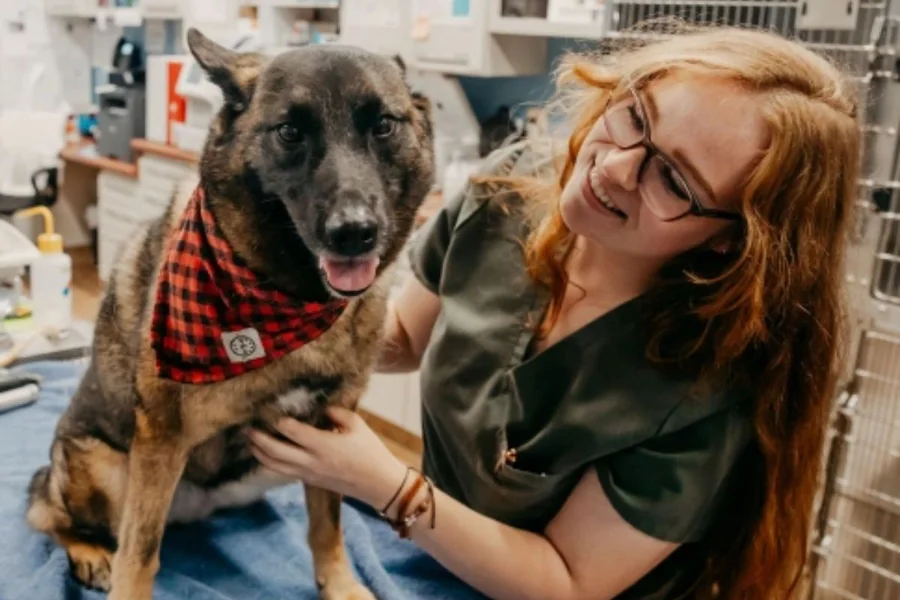
You might be noticing small changes in your pet that are hard to ignore. The jump that used to be easy now takes a couple of tries. Walks are slower. Maybe your dog seems confused at night, or your cat is drinking more water than before. You still see the same loyal face looking back at you, yet something feels different, and it can stir up real worry. A visit to a veterinarian in Newmarket, ON can help you understand what’s changing and how to support your pet.
There is a clear before and after when a pet starts to age. Before, you scheduled a yearly checkup and did not think much about it. Now you are counting how many stairs they can manage, watching how they eat, and wondering how much time you have left together. That mix of love, fear, and guilt can be heavy. You might be asking yourself if you are doing enough, or if you are missing something important.
The good news is that you are not supposed to carry this alone. A trusted animal clinic can become your partner for this stage of life. Through more frequent health checks, pain control, nutrition changes, and emotional support for you, a clinic can help your older pet stay comfortable and engaged for as long as possible. This is what thoughtful senior pet care at an animal clinic is really about. It is less about adding years at any cost and more about protecting the quality of the years you still have together.
What really changes as pets become seniors, and why does it feel so hard?
Getting older is not a disease. Yet aging does make pets more likely to develop problems that were never an issue before. According to guidance for senior pets from the AVMA, many dogs and cats begin to show age related changes around age 7, sometimes earlier for large breed dogs. That can include arthritis, heart disease, kidney trouble, dental disease, and changes in brain function.
You may notice subtle things at first. Your dog hesitates before jumping into the car. Your cat stops grooming the back half of the body. Accidents in the house begin to happen. Because these changes are gradual, it is easy to explain them away as “just getting old.” Yet this is where the tension starts. You do not want to overreact and rush to the clinic for every small thing, but you are also afraid of waiting too long and discovering that you missed a chance to help.
On top of that, there is often a quiet financial worry. Extra lab tests, medications, prescription diets, and more frequent visits can add up. You want to do right by your pet, but you also live in the real world with a budget. That conflict can make every decision feel loaded. Are you being practical, or are you letting them down.
So where does that leave you when you are standing in the exam room, trying to decide what your senior pet truly needs.
How animal clinics support senior pets beyond “just a checkup”
A good animal clinic understands that older pets need a different kind of care. It is not simply about treating one problem at a time. It is about seeing the whole picture, including your capacity as a caregiver.
Here are some of the ways senior pet support at an animal clinic usually looks in practice.
1. More frequent and targeted exams
For many older pets, twice yearly exams are recommended instead of once a year. During these visits, the veterinary team looks for early signs of common age related issues. According to the AAHA senior care guidelines for dogs and cats, regular blood work, urine tests, and blood pressure checks can reveal problems long before your pet “acts sick.” Early detection often means simpler treatment and better comfort.
2. Pain management and mobility support
Many senior pets live with chronic pain, especially from arthritis, yet they rarely cry out. Instead, they move less, avoid stairs, or become “grumpy” when touched. An animal clinic can use exams, imaging, and your observations to build a pain plan that might include medication, joint supplements, physical therapy, weight control, and home changes like ramps or non slip rugs.
3. Nutrition and weight guidance
Older pets often need different nutrition than they did as adults. Some need fewer calories to avoid weight gain, which can stress joints. Others with conditions like kidney disease or heart disease may need very specific diets. Your veterinary team can help you choose a food that supports their current health instead of guessing at the pet store.
4. Support for behavior and “senior moments”
Confusion, restlessness at night, accidents, or new anxiety can come from age related brain changes. These can be heartbreaking to watch. Clinics can help by first ruling out medical causes, then suggesting medications, supplements, and routines that support brain health. They can also guide you on how to adjust your home and schedule so your pet feels safer and less confused.
5. Honest conversations about quality of life
Perhaps the hardest part of caring for a senior pet is wondering when treatment is helping and when it might be time to think about comfort care only. A compassionate clinic will not rush you. Instead, they can walk you through quality of life scales, talk about what a “good day” looks like for your pet, and revisit that conversation over time. This kind of partnership can ease guilt and help you feel more at peace with your choices.
How does clinic care compare to “waiting and watching” at home?
You might be torn between bringing your older pet in more often and trying to monitor things yourself. To make that decision a little clearer, it can help to see the differences side by side.
| Approach | What it looks like | Potential benefits | Possible risks |
| “Wait and see” at home | Watching for obvious changes, adjusting routines on your own, using over the counter supplements without guidance. | Lower immediate cost. Less stress for pets that dislike travel. Works if your pet is currently stable and you are very observant. | Early disease signs can be missed. Pain may go untreated. Conditions might become harder or more expensive to manage if found late. |
| Regular animal clinic senior care | Planned exams, lab work, and tailored advice. Ongoing conversations about behavior, comfort, and lifestyle. | Earlier detection of problems. Better pain control and comfort. Care plan matched to your pet and your budget. More emotional support for you. | More frequent visits and some added cost. You may face difficult decisions sooner, which can be emotionally challenging. |
There is no single right answer for every family. The goal is to find a balance between medical guidance and what feels sustainable for you, so you can stay present with your pet instead of constantly second guessing yourself.
Three steps you can take now to support your senior pet with clinic help
1. Schedule a dedicated “senior check” and prepare questions
If it has been more than six months since your pet’s last exam, call your animal clinic and ask for a visit focused on senior health. Before you go, write down specific changes you have noticed. Slower on walks, changes in appetite, new lumps, more drinking, restlessness at night, or accidents are all worth mentioning. Bring a list of any supplements or medications you give, including non prescription ones. This helps your veterinarian see the full picture and tailor advice.
2. Talk openly about your limits and your pet’s daily life
During the visit, share what a typical day looks like for your pet. How much they eat, how far they walk, how they sleep, and what still brings them joy. Also be honest about your financial and emotional limits. A caring veterinary team will not judge you. They will work with you to prioritize tests and treatments so you get the most benefit for your pet without feeling overwhelmed.
3. Create a simple home care and monitoring plan
Ask your clinic to help you choose two or three things to watch at home. That might be appetite, ability to walk, breathing, or bathroom habits. You can even keep a short weekly log. Use this as a shared tool at future visits so changes are easier to see. For more guidance on what to look for in older pets, resources on caring for senior dogs and cats can help you notice early warning signs.
Staying grounded as your pet ages
Caring for an aging pet is both a gift and a burden. You are the one who knows their habits, their quirks, and what makes their eyes light up. You are also the one who has to make hard decisions and carry the worry. An animal clinic cannot take away the sadness that comes with time, yet it can share the weight with you.
By using the support that an animal clinic offers, you are not being “overprotective.” You are choosing informed, compassionate care for a family member who cannot speak up for themselves. With the right guidance, you can focus less on fear and more on the quiet, everyday moments that still matter so much.