
Hair loss is a common concern affecting both men and women in Singapore, often leading to anxiety and reduced confidence. While many people immediately think of genetics or ageing as the main causes, stress is actually a major but often overlooked trigger behind sudden or excessive shedding. In many cases, this type of stress-related hair loss is temporary and reversible, especially when it is identified and managed early. With timely intervention and appropriate care, patients can often achieve significant recovery.
This article will explore the causes and mechanisms behind stress-related shedding, and outline available options for hair loss treatment Singapore, as well as when to seek a professional hair loss solution Singapore for better long-term outcomes.
What Is Stress-Related Hair Loss (Telogen Effluvium)
Stress-related hair loss is most commonly known as telogen effluvium, a condition where a larger-than-normal number of hair follicles prematurely shift from the growth phase into the resting (telogen) phase. This disrupts the normal hair cycle and leads to noticeable shedding after a delay of about two to three months following a stressful event.
Unlike genetic hair loss, this condition does not usually cause permanent follicle damage. Instead, it is a reactive process triggered by the body responding to physical or emotional stress. Common triggers include severe illness, surgery, childbirth, rapid weight loss, emotional trauma, or prolonged psychological stress, all of which can be relevant in a fast-paced urban environment like Singapore.
For many patients seeking hair loss treatment Singapore, understanding this distinction is important because telogen effluvium is generally reversible once the underlying trigger is addressed. In most cases, identifying the cause early allows the hair cycle to normalise, paving the way for gradual regrowth without the need for aggressive intervention.
Common Signs and Symptoms
Stress-related hair loss often appears suddenly and can be quite distressing because the change is noticeable within a short period. However, it usually follows a predictable pattern that helps distinguish it from other types of hair loss.
Typical signs include:
- Increased daily hair shedding – more hair than usual is seen on the pillow, in the shower, or on hairbrushes
- Diffuse thinning across the scalp – hair appears less dense overall rather than forming distinct bald patches
- Widening parting or reduced ponytail volume – subtle cosmetic changes are often the first thing patients notice
- Delayed onset after stress – shedding typically begins 2–3 months after a triggering event such as illness, emotional stress, or major lifestyle change
- Normal-looking scalp – no significant redness, scaling, or inflammation in most cases
Unlike genetic hair loss, the pattern is usually uniform rather than localized, which can help in early self-identification. For patients considering hair loss treatment Singapore, recognising these features early is important, as it allows for timely evaluation and helps ensure the condition is managed appropriately before it progresses or becomes prolonged.
Why Stress Leads to Hair Loss
Stress affects the body in more ways than most people realise, and hair growth is particularly sensitive to internal changes. When the body experiences physical or emotional stress, it can disrupt the normal balance of hormones and biological signals that regulate the hair growth cycle.
One of the key mechanisms involves the stress hormone cortisol. When cortisol levels remain elevated for a prolonged period, it can signal hair follicles to shift prematurely from the active growth phase into the resting phase. As a result, more hairs are shed at the same time once they reach the end of this shortened cycle.
Other contributing factors include:
- Hormonal imbalance – stress can affect thyroid and reproductive hormones, both of which influence hair growth
- Nutritional disruption – poor appetite, irregular meals, or nutrient depletion during stress can weaken hair production
- Sleep disturbance – inadequate sleep reduces the body’s ability to repair and regenerate hair follicles
- Inflammatory response – chronic stress may increase inflammation, which can further affect follicle health
Diagnosis in a Clinical Setting in Singapore
Diagnosing stress-related hair loss in Singapore involves a structured medical evaluation to confirm the condition and rule out other possible causes of shedding. This is important because different types of hair loss require different treatment approaches.
A typical assessment may include:
- Detailed medical history – identifying recent stress events, illnesses, medications, or lifestyle changes
- Scalp examination – checking the pattern and distribution of hair thinning
- Rule-out of other conditions – such as genetic hair loss, thyroid disorders, or iron deficiency
- Trichoscopy (scalp analysis) – using magnification to assess hair follicle condition, if needed
- Blood tests – in selected cases to evaluate hormonal or nutritional factors
An accurate diagnosis ensures that any hair loss treatment Singapore plan is appropriately targeted, avoiding unnecessary or ineffective treatments and focusing instead on the underlying trigger.
Hair Loss Treatment Singapore – How Stress-Related Hair Loss Is Managed
The good news is that stress-related hair loss is usually reversible, and in many cases, hair regrows once the underlying trigger is addressed. Treatment in Singapore typically focuses on both correcting the cause and supporting healthy hair recovery.
Management approaches may include:
- Addressing the underlying stress – improving work-life balance, emotional wellbeing, or resolving triggering life events
- Lifestyle optimisation – ensuring adequate sleep, balanced nutrition, and regular exercise to support recovery
- Nutritional support – correcting deficiencies such as iron, zinc, or vitamin D when present
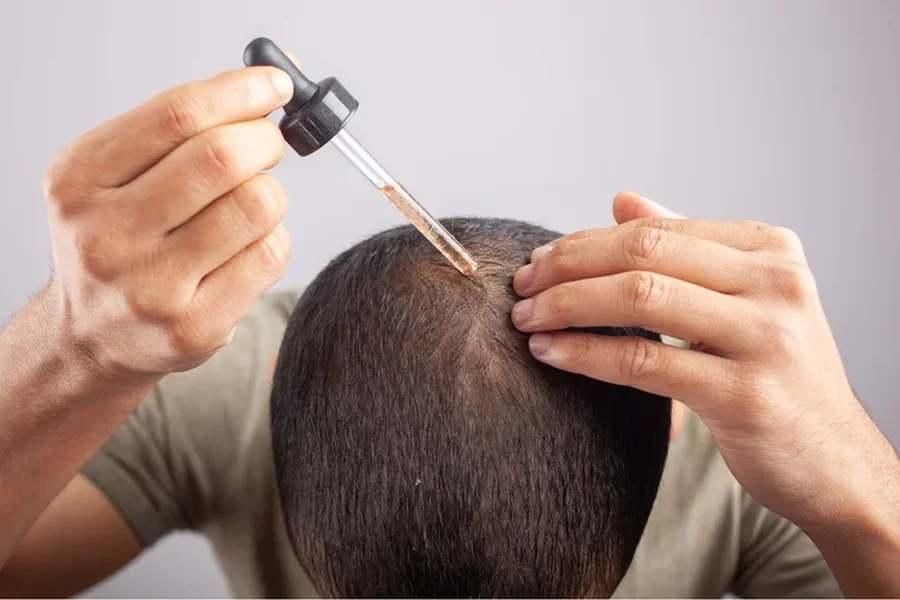
- Topical treatments – in some cases, scalp treatments may be used to support follicle recovery
- Oral supplements or medication – prescribed selectively depending on individual assessment
- Procedural options (e.g. PRP therapy) – may be considered for patients needing additional stimulation of hair regrowth
Conclusion
Stress-related hair loss is often temporary, and most patients experience gradual regrowth once the underlying trigger is managed. Early recognition and appropriate care are important to support recovery and prevent prolonged shedding. If hair loss continues or causes concern, a proper assessment can help identify the cause and guide suitable hair loss treatment Singapore options tailored to your condition. To discuss your hair concerns and treatment options, you can visit our hair clinic at:
Artiscience Hair Centre – Hair Regrowth | Exosome Hair Loss Therapy Singapore
290 Orchard Rd, #14-09 Paragon, Singapore 238859
Phone: +65 8909 7887