
You might be here because something small has started to worry you. Maybe you noticed a sore in your mouth that will not heal, a rough patch on your tongue, or a change in how your dentures fit. Or maybe you are simply wondering if your regular dental checkups with a Hudson general dentist actually matter beyond cleaning your teeth.end
That quiet worry is very human. Oral cancer is not something most people want to think about, yet it sits in the back of the mind once you hear a story about someone who “just had a little sore” that turned into something serious. It is easy to feel caught between not wanting to overreact and not wanting to miss something important.
Here is the short version. Your routine visits with a general dentist are one of the most reliable ways to catch signs of oral cancer early, often before you notice anything on your own. Those early moments are when treatment is usually simpler, less disruptive, and far more successful. Regular exams give you a quiet layer of protection, even when you feel fine.
So where does that leave you if you are unsure what your dentist is actually checking for, or how these visits protect you from something as serious as cancer?
Why does early oral cancer detection even matter so much?
Oral cancer can affect the lips, tongue, cheeks, floor of the mouth, hard and soft palate, sinuses, and throat. In the beginning, it can look very ordinary. A small white patch. A red spot. A sore that seems like it might be from biting your cheek. That is exactly why early detection matters so deeply.
According to the National Institute of Dental and Craniofacial Research, catching oral cancer in its early stages greatly improves survival rates and reduces the intensity of treatment. You can read more about these patterns and risk factors in their overview of oral cancer.
The problem is that early oral cancer often does not hurt. It does not always bleed. It does not always “feel” like cancer. So people wait. Weeks turn into months, and what could have been addressed with a smaller, more focused treatment may grow and spread.
This delay affects more than health. It can affect how you speak, eat, and even how you see yourself in the mirror. Treatment for advanced oral cancer can involve surgery, radiation, and chemotherapy. That can mean time away from work, financial pressure, and a long emotional recovery.
Because of this tension between “I do not want to overreact” and “I do not want to be too late,” you might wonder where regular general dentistry fits in.
How does a general dentist quietly protect you during routine visits?
When most people think of a general dentist, they picture cleanings, fillings, and maybe the occasional crown. What often goes unnoticed is that during those routine visits, a general dentist is also performing an oral cancer screening, even if it is not labeled that way on your appointment card.
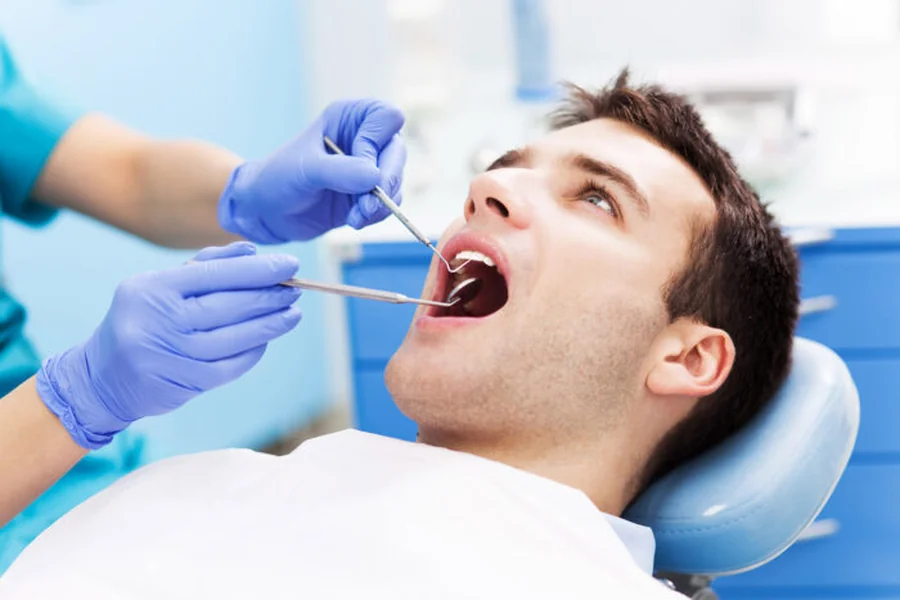
During a typical checkup, your dentist and hygienist are not only looking at your teeth. They are also checking your tongue, the floor and roof of your mouth, the inside of your cheeks, your gums, and sometimes your throat and neck. They are looking for changes in color, texture, size, or shape. They may gently feel under your jaw and along your neck for swollen lymph nodes or unusual lumps.
The U.S. Preventive Services Task Force has examined the evidence on routine oral cancer screening, especially for people without symptoms. Their research summary on oral cancer screening highlights that, while the science continues to evolve, dentists are uniquely positioned to notice concerning changes early, especially in people with higher risk factors like tobacco or heavy alcohol use.
Think of it this way. You see your general dentist more regularly than most doctors. You open your mouth fully for them. They have bright lights and training to notice subtle changes. That combination makes early oral cancer screening by a general dentist a quiet but powerful safeguard.
So what happens when something looks suspicious?
In many cases, your dentist will simply monitor the area and ask you to come back sooner than usual. If it looks more concerning or does not improve, they may refer you to an oral surgeon or specialist for a closer look or a small biopsy. That extra step can be the difference between catching a small, localized issue and facing a much larger treatment later on.
What are the risks if you rely on “wait and see” instead of regular checkups?
It can help to think through a few “what if” scenarios.
Imagine someone who smokes, occasionally drinks, and has not seen a dentist in five years. A tiny sore appears on their tongue. It feels like they bit it. It comes and goes, so they ignore it. Months pass. Eventually, the sore does not heal at all. By the time they see a dentist, the lesion is larger, painful, and has spread deeper. Treatment is more complex, and recovery is longer.
Now picture another person with similar habits, but who sees a general dentist every six months. The dentist notices a small rough patch on the tongue that the patient has not even felt yet. It looks unusual enough that the dentist recommends a short follow-up. When it does not resolve, they refer the patient for a biopsy. The area is treated early. The patient may still need care, but the disruption to their life is much smaller.
Both people had risk factors. The difference was consistent contact with a trained set of eyes that knew what to look for.
That is the quiet power of general dentistry for early oral cancer detection. It is not dramatic. It is not usually urgent. It is steady, preventive, and protective.
Comparing your options for catching oral cancer early
You might still wonder how much difference regular general dentist visits actually make compared to simply watching for symptoms yourself. A simple comparison can help clarify that.
| Approach | What it looks like | Benefits | Risks or limits |
|---|---|---|---|
| “Wait and see” at home | You notice a sore or spot and watch it for weeks or months before acting. | No appointments or immediate cost. Feels easier in the short term. | High risk of delay. Early signs often look harmless. Problems may be much larger by the time you seek help. |
| Occasional walk-in or emergency visits | You see a dentist only when something hurts a lot or interferes with eating or speaking. | Addresses urgent pain. May catch obvious late-stage problems. | Misses the “quiet” early window. Care is often more expensive and stressful because issues are already advanced. |
| Regular general dentist checkups | Routine exams every 6 to 12 months with visual and physical screening of your mouth and neck. | Higher chance of catching suspicious changes early. Often simpler, less invasive treatment. Lower long-term cost and disruption. | Requires time and consistent scheduling. Some costs if you do not have dental coverage. |
Public awareness efforts, such as Oral Cancer Awareness Month, keep stressing the same message. Early detection is strongly linked with better outcomes. General dentistry is one of the most practical ways to build that early detection into your normal life.
Three practical steps you can take right now
- Make your next general dentist appointment, even if you feel fine
Do not wait for pain. Pain is a late signal. If it has been more than a year since your last checkup, schedule a visit with a general dentist. When you book, you can simply say you want a routine exam and cleaning, and that you are also interested in an oral cancer screening. Most general dentists already include this visual check without any special test or extra charge.
- Speak up about anything that feels “off” in your mouth
During your visit, mention any sores, color changes, lumps, or swallowing issues, even if they seem minor or come and go. Point out spots that have been there for more than two weeks. You are not being dramatic. You are giving your dentist important information that can guide what they look for and how closely they follow up.
- Know your risk factors and adjust what you can
Some risks, like age or family history, are not in your control. Others are. Tobacco use, heavy alcohol consumption, and HPV infection are all linked to higher oral cancer risk. If any of these apply, tell your general dentist. That does not mean you will get cancer. It simply means your dentist knows to watch you more closely and can support you if you want to cut back or quit.
Moving forward with a calmer, clearer plan
You do not need to become an expert in oral cancer to protect yourself. You do not need to examine your own mouth with a flashlight every night. What you do need is a consistent relationship with a general dentist who understands how to spot early warning signs and who sees you often enough to notice changes.
Routine checkups may feel ordinary, but they quietly create a safety net for your health. They give you a chance to catch problems while they are still small, to ask questions while there is time to breathe, and to choose treatment from a place of information rather than panic.
If you have been putting off your next visit, consider this a gentle nudge to put it back on your calendar. General dentistry is about far more than clean teeth. It is about protecting your ability to speak, smile, and share your life without the shadow of a silent disease growing unnoticed.
You deserve that kind of steady protection, and you can start building it with your very next appointment.