
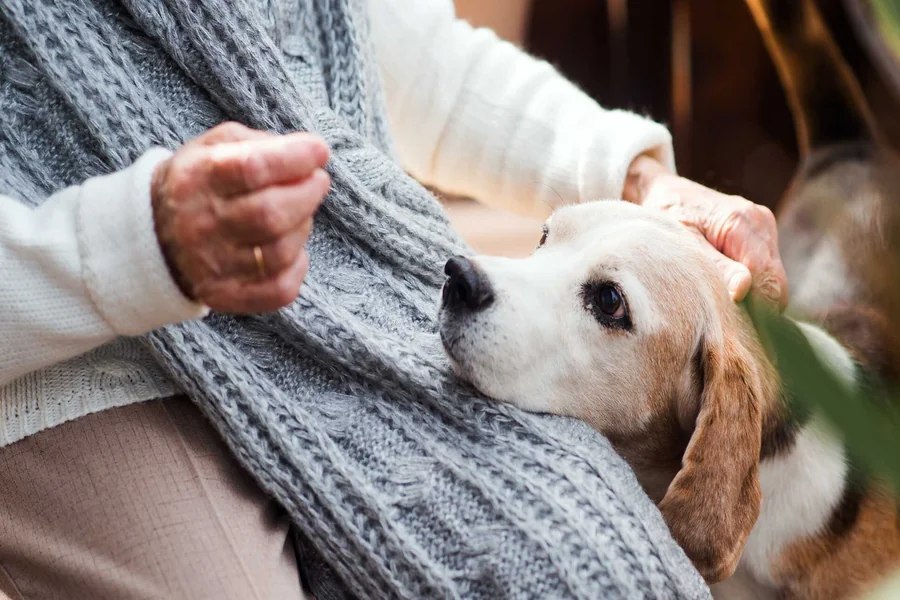
Senior pets need steady care, not quick fixes. Age changes their bodies, senses, and moods. You may notice slower walks, cloudy eyes, or new fears. These changes can feel frightening. A trusted animal hospital guides you through each one. Regular visits catch pain, organ trouble, and memory loss before they steal comfort. A Centreville veterinarian watches for small warning signs you might miss at home. The team checks teeth, joints, heart, and weight. They also ask about sleep, appetite, and bathroom habits. Together you build a simple plan that fits your home and budget. You learn when to change food, adjust exercise, or add medicine. You also gain clear advice about hard choices as your pet nears the end of life. With this support, you protect your senior pet’s comfort, dignity, and joy in the time you still share.
Why senior pets need different care
Age affects every part of a pet’s body. You see it in slow steps. You also see it in quiet changes inside organs and brain. You cannot stop age. Yet you can slow its damage.
Senior pets face higher risk of
- Heart and kidney disease
- Arthritis and joint pain
- Dental disease and tooth loss
- Cancer and growths
- Vision and hearing loss
- Confusion and sleep changes
Routine home care helps. Still it is not enough. You need a trained team to test, measure, and explain what you cannot see. Early action often means less pain and lower cost later.
How often you should visit the animal hospital
The American Veterinary Medical Association shares that pets reach senior years at different times. Size matters. Breed matters. A simple rule is
- Cats and small dogs are senior at about 7 years
- Large dogs are senior at about 6 years
Once your pet is senior, you should plan wellness visits at least every 6 to 12 months. Many hospitals suggest every 6 months for older pets. You do not wait for trouble. You use these visits to prevent trouble.
Suggested wellness visit schedule for senior pets
| Pet type | Age range | Suggested visit frequency | Key checks at visit
|
|---|---|---|---|
| Small dog | 7 to 10 years | Every 12 months | Exam, vaccines, blood work, dental check |
| Small dog | 11 years and older | Every 6 months | Exam, blood work, urine test, joint check |
| Large dog | 6 to 8 years | Every 12 months | Exam, heart test, weight check, vaccines |
| Large dog | 9 years and older | Every 6 months | Exam, blood and urine tests, pain review |
| Cat | 7 to 10 years | Every 12 months | Exam, dental check, kidney screen |
| Cat | 11 years and older | Every 6 months | Exam, blood work, blood pressure, weight loss check |
What happens during a senior wellness visit
A senior visit looks simple from your seat. Your pet gets weighed. The team listens to heart. They feel the belly. In truth they follow a clear plan for older bodies.
Most senior visits include three parts
- Talking with you about changes at home
- Hands on exam from nose to tail
- Tests that look inside the body
The hospital team may suggest
- Blood tests to check organs and blood sugar
- Urine tests to find kidney or bladder trouble
- Blood pressure checks for cats
- X rays for joints, spine, or chest
- Dental x rays if teeth look damaged
You should speak up about any change. No sign is too small. Extra thirst, new accidents, new lumps, or weight loss can point to serious disease. A clear talk helps the team choose the right tests.
Managing pain and joint stiffness
Pain in older pets is common. It is also often silent. Many pets hide pain. You may only see slow stairs, less jumping, or less play. An animal hospital helps you spot and treat pain early.
Your veterinarian may
- Use pain scales to rate your pet’s comfort
- Check range of motion in joints
- Suggest safe pain medicine
- Offer joint support like supplements
- Guide gentle exercise plans
The goal is simple. You want your pet to move, rest, and rise without strain. You do not accept slow suffering as normal aging.
Nutrition and weight control for senior pets
Food needs change with age. Some pets gain weight. Others lose muscle. Both can harm health. You should ask your veterinarian to help choose food and portions.
During wellness visits, the team
- Checks body weight
- Scores body condition by sight and touch
- Reviews treats and table food
- Adjusts meal size and schedule
For many senior pets, the hospital may suggest
- Lower calorie food for weight control
- Kidney support food for early kidney disease
- Higher fiber food for bowel health
- Softer food if teeth are weak
Small changes in diet can protect organs for years. You do not change food without a clear reason and plan.
Dental care and mouth health
Dental disease is common in senior pets. It causes pain and infection. It can also affect heart and kidneys. You may see bad breath or dark buildup on teeth. Your pet may still eat through the pain.
Animal hospitals support mouth health by
- Checking teeth and gums at each visit
- Explaining home brushing or wipes
- Scheduling dental cleanings under safe anesthesia
- Treating infected or broken teeth
Behavior and memory changes
Senior pets can develop confusion and mood shifts. You may notice pacing at night, accidents, or sudden clinginess. These signs can link to pain, brain change, or both.
Your veterinarian can
- Rule out medical causes like infection or organ disease
- Suggest simple changes in routine and home setup
- Use medicine or supplements that support brain health
- Teach you how to keep your pet engaged with gentle play
Planning for comfort at the end of life
Facing the end of a pet’s life hurts. You do not need to face it alone. An animal hospital walks with you through each decision.
The team can
- Help you track good days and bad days
- Adjust pain medicine as disease progresses
- Set clear signs that comfort is fading
- Talk through hospice care and euthanasia
The goal is a peaceful, loving end. You give your pet safety, warmth, and relief from fear. With clear guidance, you avoid both rushed choices and long suffering.
Taking the next step for your senior pet
You cannot control time. You can control how your senior pet spends it. You do this by
- Scheduling regular wellness visits at an animal hospital
- Watching for small changes and sharing them early
- Following simple plans for pain, food, and home comfort
Each visit is an act of loyalty. You gave your pet your home. Now you give your pet a safe old age.