
When your air conditioning system starts to falter during the hottest days of the year, it can be both uncomfortable and stressful. Before you rush to schedule a repair appointment, there are several troubleshooting steps you can take to potentially resolve the issue on your own. Understanding the common causes of cooling problems and knowing what to check can save you time, money, and unnecessary inconvenience. By methodically inspecting your AC system, you might discover a simple fix that restores comfort to your home. This guide will walk you through practical troubleshooting tips to consider before calling for professional help.
What to Expect When Troubleshooting
Common Reasons Your AC Isn’t Cooling
One of the most frequent complaints homeowners have is that their air conditioner is running but not cooling the house effectively. This issue can stem from a variety of causes, ranging from simple user errors to more complex mechanical failures. The first thing to check is your thermostat settings. Make sure the thermostat is set to “cool” and that the temperature is set lower than the current room temperature. Sometimes, the problem is as simple as a thermostat that has been accidentally switched to “heat” or set to a higher temperature. Another common culprit is a dirty or clogged air filter. When the filter is blocked, airflow is restricted, causing the system to work harder and cool less efficiently. Replacing or cleaning the air filter can often resolve this issue quickly. Additionally, check that all vents are open and unobstructed, as blocked vents can prevent cool air from circulating throughout your home. If these basic checks do not solve the problem, it may be time to look deeper into the system for more complex issues.
Checking the Outdoor Unit
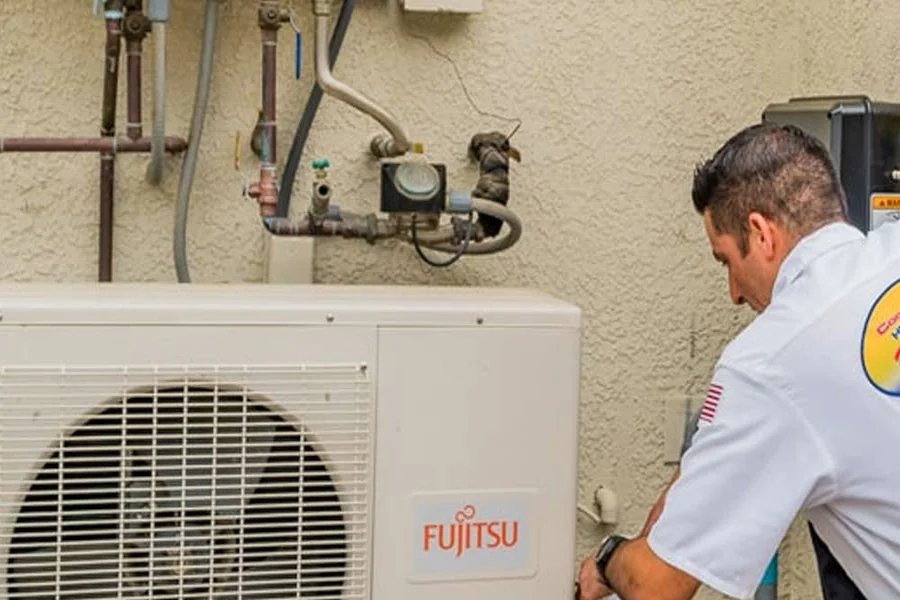
The outdoor unit, also known as the condenser, plays a crucial role in the cooling process. If this component is not functioning properly, your AC system will struggle to cool your home. Begin by inspecting the area around the outdoor unit. Make sure there is no debris, such as leaves, grass, or dirt, blocking the airflow. The condenser needs plenty of space to dissipate heat, so clear away any obstructions within a two-foot radius. Next, examine the condenser coils for dirt or grime buildup. Dirty coils can significantly reduce the efficiency of your system. If you notice a layer of dirt, gently clean the coils with a garden hose, being careful not to bend the delicate fins. Also, listen for unusual noises coming from the unit, such as rattling or buzzing, which could indicate loose parts or electrical issues. If the outdoor unit is not running at all, check the circuit breaker or fuse box to ensure the unit is receiving power. Sometimes, a tripped breaker is all that stands between you and a cool home. If these steps do not restore proper function, you may need to consider professional assistance, especially if you are located in an area where ac repair pittsburgh services are readily available.
Inspecting the Air Handler and Ductwork
The air handler and ductwork are responsible for distributing cool air throughout your home. If there is a problem with either of these components, you may notice uneven cooling or weak airflow from your vents. Start by checking the air handler, which is typically located inside your home, often in a basement, attic, or utility closet. Make sure the access panel is securely closed and that there are no visible signs of water leaks or condensation around the unit. Excess moisture can indicate a clogged drain line or a refrigerant leak, both of which require prompt attention. Next, inspect the ductwork for visible gaps, holes, or disconnected sections. Leaky ducts can allow cool air to escape before it reaches your living spaces, reducing the overall efficiency of your system. You can also check for airflow by placing your hand near the vents while the system is running. If the airflow feels weak, there may be a blockage or buildup of dust and debris inside the ducts. In some cases, professional duct cleaning may be necessary to restore optimal performance. Addressing these issues can help ensure that your AC system is delivering cool air where it is needed most.
When to Check Refrigerant Levels
Refrigerant is the substance that absorbs and releases heat as it circulates through your air conditioning system. If your AC is low on refrigerant, it will struggle to cool your home effectively. Signs of low refrigerant include ice buildup on the evaporator coils, hissing or bubbling noises, and a noticeable decrease in cooling performance. While checking refrigerant levels is not a DIY task, being aware of these symptoms can help you communicate more effectively with a technician. If you suspect a refrigerant issue, it is important to address it promptly, as running your system with low refrigerant can cause further damage. Only a licensed professional should handle refrigerant, as it requires specialized tools and knowledge to diagnose and repair leaks safely. If you notice any of these warning signs, it is time to schedule a service appointment to prevent more serious problems down the line.
Understanding these initial steps can often prevent the frustration of waiting for a technician only to have them flip a switch you could have reached yourself. While basic maintenance like clearing debris from the outdoor condenser or replacing a clogged filter is straightforward, some persistent cooling issues require a deeper dive into the system’s mechanical components. You can Read more about the technical indicators of failing parts to help determine if the problem is a simple fix or a sign of an electrical malfunction. Taking a moment to verify every connection and vent positioning ensures that your troubleshooting is thorough before you decide that professional intervention is the only remaining option.
The Importance of Regular Maintenance
Routine maintenance is essential for keeping your air conditioning system running smoothly and efficiently. Scheduling annual inspections and tune-ups can help identify potential issues before they become major problems. During a maintenance visit, a technician will clean and inspect key components, check refrigerant levels, and ensure that all electrical connections are secure. Regular maintenance not only extends the lifespan of your system but also improves energy efficiency, which can lead to lower utility bills. Homeowners can also perform simple maintenance tasks, such as changing air filters regularly and keeping the area around the outdoor unit clear of debris. By staying proactive with maintenance, you can reduce the likelihood of unexpected breakdowns and enjoy consistent comfort throughout the cooling season.
Quick Fixes You Can Try
Sometimes, cooling problems can be resolved with a few simple adjustments. If your AC is not turning on, check the thermostat batteries and replace them if necessary. Make sure the system’s power switch is in the “on” position and that the circuit breaker has not tripped. If you notice water pooling around the indoor unit, clear the condensate drain line using a wet/dry vacuum. For systems that are running but not cooling, resetting the unit by turning it off at the thermostat and waiting a few minutes before turning it back on can sometimes resolve minor glitches. These quick fixes can save you time and money, but if the problem persists, it is important to seek professional help to avoid further damage to your system.
Conclusion
Troubleshooting your air conditioning system before scheduling a repair appointment can help you identify and resolve minor issues on your own, saving both time and money. By checking thermostat settings, inspecting the outdoor unit, examining the air handler and ductwork, and being aware of refrigerant-related symptoms, you can often pinpoint the source of the problem. Regular maintenance and prompt attention to warning signs are key to ensuring your AC system operates efficiently and reliably. If your troubleshooting efforts do not restore proper cooling, do not hesitate to contact a qualified technician for a thorough inspection and repair. Taking these steps will help keep your home comfortable and your air conditioning system in top condition throughout the hottest months of the year.