
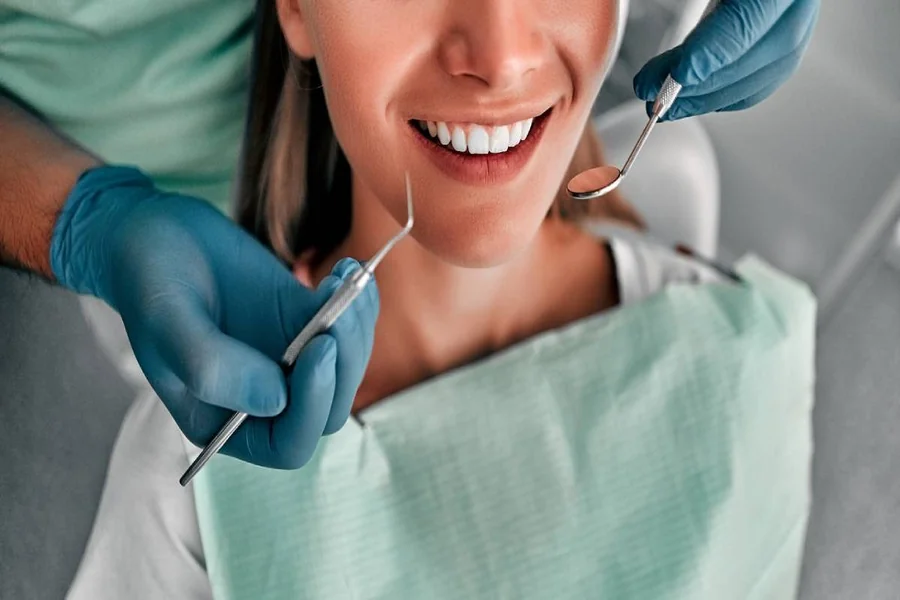
Your family’s health depends on more than yearly checkups. It also depends on steady care for teeth and gums. Regular dental visits protect your child’s smile, support clear speech, and prevent pain that can stop sleep and school. Routine exams also catch small problems before they turn into infections or emergencies. That means less fear, fewer missed workdays, and lower bills. A trusted Concord dentist can track changes in your family’s mouths over time and give clear guidance you can use right away. Each visit offers three simple gains. You get a careful cleaning. You get early warning about cavities or gum trouble. You get honest answers to your questions. This blog shares four strong reasons to put dental visits on your family calendar and keep them there. Your choices today shape your child’s comfort, confidence, and health for many years.
1. You prevent painful problems before they start
Tooth decay is common in children. It is also preventable. Regular checkups help you stop small spots of decay before they turn into deep holes that need fillings or extractions.
During a routine visit, the dentist can:
- Spot early decay that you cannot see in a mirror
- Check for weak enamel and worn fillings
- Look for infection in the gums and jaw
Research from the Centers for Disease Control and Prevention shows that children with regular dental care have fewer untreated cavities. You can read more about this in the CDC report on children’s oral health.
When you keep these visits steady, you avoid rushed trips for toothaches. You also give your child a sense of calm. The chair becomes a known place, not a place linked only with shots or drills.
2. You protect your child’s whole body health
Your mouth connects to the rest of your body. Gum infection and untreated decay can affect eating, sleep, and growth. In some cases, a mouth infection can spread to other parts of the body and cause serious illness.
Regular dental visits help you protect:
- Nutrition, because strong teeth make chewing easier
- Sleep, because a pain-free mouth supports deep rest
- Speech, because healthy teeth help clear sounds
The dentist also checks for signs of grinding, mouth breathing, and dry mouth. These problems can affect the jaw, the airway, and even behavior at school.
The American Academy of Pediatrics and the American Academy of Pediatric Dentistry both stress early and steady dental care. You can find guidance for parents at the National Institute of Dental and Craniofacial Research site.
When you treat the mouth as part of the whole body, you lower the risk of infection, poor weight gain, and missing school. You also help your child feel safe eating, smiling, and speaking in public.
3. You save money, time, and stress
Many families worry about the cost of dental care. It is hard to plan for a large bill from an emergency visit. Regular preventive care costs less than treatment for advanced disease.
Here is a simple comparison to show how steady visits can protect your budget. These are sample ranges and not exact prices.
| Type of visit or treatment | Typical purpose | Relative cost level
|
|---|---|---|
| Routine exam and cleaning | Prevent problems and remove plaque | Low |
| Fluoride treatment or sealants | Strengthen teeth and prevent decay | Low to moderate |
| Filling for small cavity | Treat early decay | Moderate |
| Root canal or extraction | Treat deep decay or infection | High |
| Emergency visit for severe pain | Address urgent infection or injury | Very high |
Preventive visits also save time. You can plan them around school and work. Emergency visits often mean missed classes, missed shifts, and long hours in waiting rooms.
There is another cost that does not show on a bill. That cost is fear. Children who only visit a dentist in crisis often link dental care with panic and pain. Regular calm visits help your child build trust. That trust carries into adult life and reduces skipped care later.
4. You build strong habits and confidence for life
Every checkup is a teaching moment. Your child hears the same message from you and from the dentist. Brush twice a day. Floss once a day. Limit sugary drinks and snacks.
Over time, this steady message helps your child:
- Learn the right way to brush and floss
- Understand how food and drinks affect teeth
- Feel proud of a clean, healthy smile
Many children carry shame when they have visible decay or missing front teeth. They may hide their smile in photos. They may avoid speaking up in class. Regular dental care can prevent this quiet hurt. A healthy mouth supports clear speech, open smiles, and steady self-respect.
You also set a strong example. When your child sees you keep your own dental visits, you show that health matters. You show that care is a normal part of life, not a rare event.
How to get started and stay on track
You can take three simple steps to protect your family’s oral health.
- Call and schedule routine checkups for everyone, including your toddler
- Place dental visits on the family calendar and set reminders
- Talk openly with your child about what to expect during each visit
Ask the office about visit length, X-rays, and fluoride. Share any fears your child has. The team can adjust the visit, use simple words, and give your child control where possible. For example, your child can choose a flavor of toothpaste or hold a small mirror.
Regular dental visits give your family three lasting gains. You prevent painful problems. You protect whole body health. You save money and stress. When you keep these visits steady, you give your child a strong start that supports comfort, confidence, and health through every stage of life.