
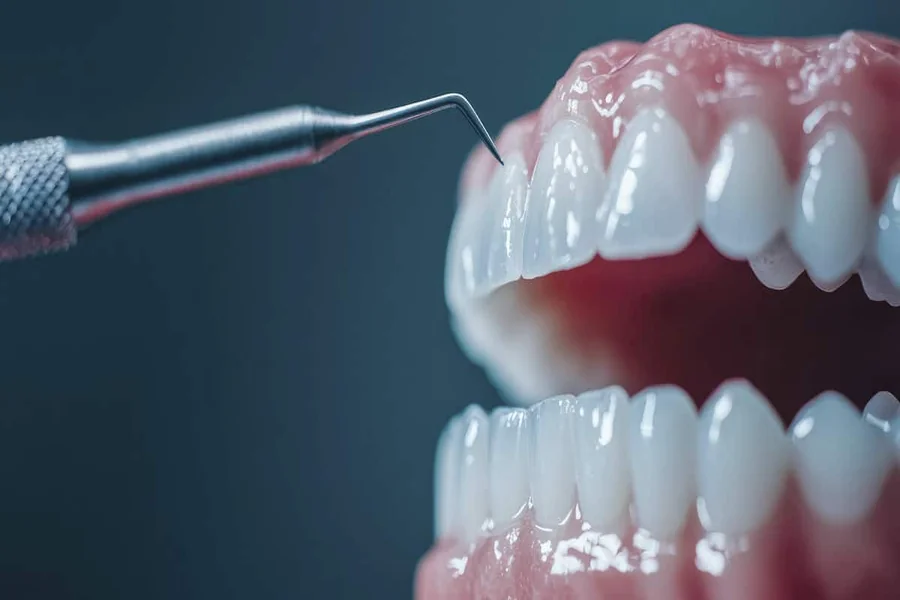
You want a lasting smile, not a short burst of confidence that fades. Preventive dentistry gives you that strength. It prepares your teeth and gums before you start any cosmetic work. It keeps your results steady after treatment ends. A Gladstone family dentist can spot decay, gum disease, and bite problems early. That early action stops pain, extra costs, and repeat procedures. It also helps your dentist plan safe whitening, veneers, or aligners that match your health. First, you protect the foundation. Next, you shape the look. Finally, you maintain the result with cleanings, checkups, and simple daily habits. You gain control. You avoid sudden surprises. You protect the money and time you invest in your smile. This blog explains how preventive dentistry and cosmetic care work together so your new smile stays strong, natural, and dependable.
Start With Health Before You Change The Look
Strong cosmetic results always rest on healthy teeth and gums. You would not build a house on soft ground. Your smile is the same. If you cover decay or infection with veneers or bonding, the problem keeps growing underneath. You might lose the tooth that you just paid to fix.
Preventive visits let your dentist
- Check for decay, cracks, or worn fillings
- Measure gum health and bone support
- Review your bite and jaw movement
During these visits, your dentist can use X-rays and simple exams to find problems you cannot see. The Centers for Disease Control and Prevention explains that early care for decay and gum disease protects both teeth and body health.
How Preventive Care Protects Cosmetic Work
Every smile makeover has three parts. You prepare. You treat. You maintain. Preventive care supports each step.
Before Treatment
Before whitening, veneers, crowns, or aligners, your dentist uses preventive care to
- Clean away plaque and tartar so whitening is even
- Treat decay so fillings or crowns bond well
- Calm gum inflammation so impressions fit right
This planning cuts the risk of sensitivity, failed bonding, and poor fit. It also gives you a clear picture of what is possible, so your goals stay realistic.
During Treatment
While you move through aligners or other long treatments, preventive visits keep you on track. Your dentist can
- Check that you brush and floss well around new hardware
- Apply fluoride to lower your risk of white spots
- Adjust your bite if teeth shift in a harmful way
Those steps help you avoid cavities and gum problems that might delay or ruin the result.
After Treatment
Once your smile looks the way you want, preventive dentistry keeps it that way. Regular cleanings and home care protect your enamel and your gums. Your dentist can check for early stains, chips, or shifting teeth. Small repairs stay small. Your cosmetic work lasts longer. You save money and time.
Comparing Preventive Care And “Fix It Later” Care
Putting off preventive care often leads to more treatment. The table shows common paths.
| Approach | Short Term Outcome | Common Long Term Result
|
|---|---|---|
| Regular cleanings and exams twice a year | Small issues caught early | Fewer fillings. Lower chance of root canals and extractions. |
| No routine visits. Only go when in pain. | Relief after emergency care | More large fillings, crowns, and tooth loss. |
| Preventive care before cosmetic treatment | Gums calm. Teeth stable. | Cosmetic work lasts longer with fewer repairs. |
| Cosmetic work without preventive care | Fast change in appearance | Chips, staining, and failures that need repeat work. |
The pattern is clear. You either pay in small steps with less stress or in larger chunks with more stress.
What Preventive Dentistry Includes
Preventive care covers simple habits and office visits that you can keep up over a lifetime. Core parts include
- Brushing with fluoride toothpaste twice daily
- Flossing once daily
- Routine exams and cleanings
- Fluoride treatments when needed
- Dental sealants for back teeth in children and some adults
The National Institute of Dental and Craniofacial Research explains how fluoride, sealants, and daily care prevent decay and protect smiles. You can see that on the NIDCR page on preventing tooth decay.
How Preventive Dentistry Supports The Whole Family
Smile transformations are not only for adults. Teens and older adults also want strong smiles. Preventive care helps each group in different ways.
Children And Teens
- Sealants protect new molars during the cavity-prone years
- Fluoride keeps enamel strong through braces and sports
- Early bite checks guide safe orthodontic plans
These steps lower the need for future fillings and crowns. They also set up safer whitening or cosmetic bonding when teens reach adulthood.
Adults
- Routine gum checks catch early gum disease that can loosen teeth
- Night guards protect against grinding that can crack veneers
- Diet and tobacco counseling reduce staining and decay
This support keeps cosmetic work from breaking down under daily stress.
Older Adults
- Checks for dry mouth from medicines that raise cavity risk
- Careful cleanings around bridges and implants
- Simple changes to home care tools for sore hands or joints
These steps help older adults keep natural teeth and maintain dentures or implants that still look and feel strong.
Simple Steps You Can Take Today
You do not need a full makeover to start preventive care. You can
- Schedule a checkup if it has been more than six months
- Use fluoride toothpaste and spit, not rinse, after brushing
- Replace your toothbrush every three months
- Limit sugary drinks and snacks between meals
- Wear a mouthguard for contact sports
These habits lower risk right away. They also show your dentist that you are ready to protect any cosmetic work you choose later.
Stronger Prevention Means Stronger Smile Transformations
Preventive dentistry is not extra. It is the base of every lasting smile change. When your teeth and gums stay healthy, your whitening stays bright. Your veneers stay secure. Your aligners finish on time. You gain more than a new look. You gain steady comfort and peace of mind.
Start with prevention. Then choose the cosmetic steps that fit your goals. That path gives your smile the best chance to stay strong for many years.