
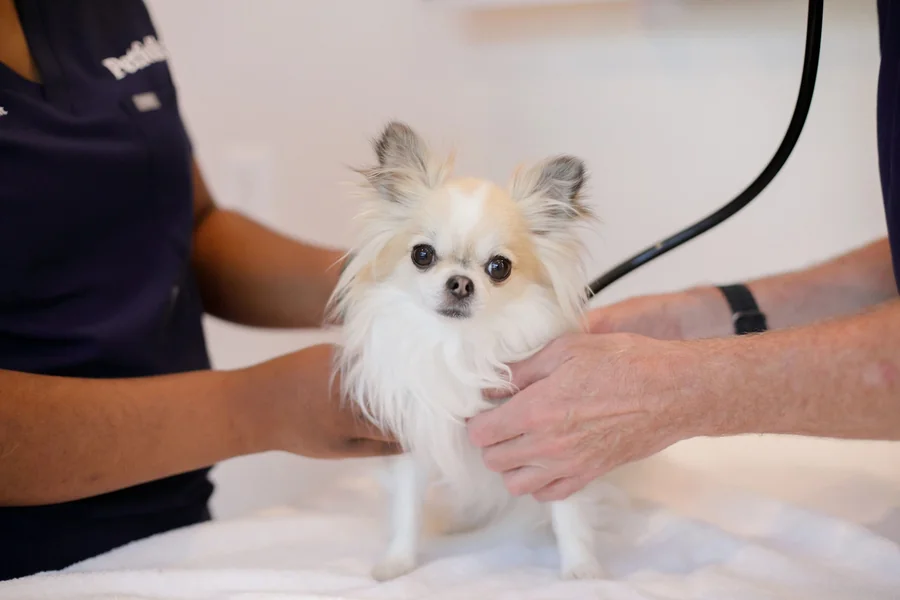
Early disease detection protects your pet from quiet suffering and sudden crisis. You often see only small changes. A missed meal. Extra sleep. A new smell from the mouth or ears. These small signs can point to serious disease. Regular visits to a trusted clinic turn these early clues into clear answers. A veterinary clinic in Dallas, or any town, uses simple exams, lab tests, and your observations to spot problems before they explode. Early finding means shorter treatment, less pain, and lower cost. It also means more good years with your pet. This blog explains how routine checkups, vaccines, and screenings work together to catch disease early. It also shows what you can watch for at home and when to call your clinic. When you understand this shared role, you can act faster and protect the life that depends on you.
Why early detection matters for your pet
Many common diseases in dogs and cats grow in silence. Heart disease. Kidney disease. Diabetes. Cancer. By the time you see clear signs, damage is often deep and lasting.
Early detection gives three clear gifts.
- More treatment choices
- Lower cost over time
- Less pain for your pet
Research from the Centers for Disease Control and Prevention also shows that some pet diseases can pass to people. Early detection in pets can protect your family as well. You guard the health of your whole home when you find disease early.
What happens during a routine clinic visit
A routine visit is not just shots. It is a full health check. Your vet team uses simple steps that together give a strong picture of your pet’s health.
You can expect three main parts.
- History. Staff ask about eating, drinking, bathroom habits, behavior, and any changes you see.
- Physical exam. The vet looks at eyes, ears, mouth, skin, heart, lungs, belly, joints, and weight.
- Screening tests. These may include blood work, urine tests, fecal tests, and heartworm tests.
None of this feels fancy. Yet each step can uncover disease before your pet looks sick. A heart murmur. Weight loss that hides under thick fur. A swollen organ that the vet can feel with skilled hands. These early signs can change the course of your pet’s life.
Common diseases that clinics catch early
Routine checks and tests often catch the same groups of disease. You can think of them in three groups.
- Silent organ disease, such as kidney or liver problems
- Infections from parasites, bacteria, or viruses
- Chronic problems such as arthritis, dental disease, or obesity
Blood and urine tests can show kidney changes long before your pet stops eating. Fecal tests can show worms even when the stools look normal. Oral checks can reveal deep tooth decay that causes constant pain.
Guidance from the American Veterinary Medical Association stresses that regular exams are your best tool for early detection. You do your part at home. The clinic does its part with trained eyes and tests.
How often your pet should see the vet
Visit needs change with age and health status. The table below gives general guidance. Your vet may change this plan based on your pet’s needs.
| Pet life stage | Typical visit frequency | Key early detection checks
|
|---|---|---|
| Puppy or kitten | Every 3 to 4 weeks until vaccines are complete | Growth checks, parasite tests, vaccines, birth defects |
| Healthy adult | Once per year | Physical exam, weight, dental check, parasite screening |
| Senior pet | Every 6 months | Blood work, urine tests, blood pressure, joint and heart checks |
| Pet with chronic disease | Every 2 to 6 months | Organ function tests, medication checks, symptom review |
Age moves fast for pets. A yearly visit for an adult dog or cat can equal several human years of change. Twice-yearly checks for seniors help catch problems during that change rather than after it.
Your role at home in early detection
You share the job with the clinic. You see your pet every day. You know what is normal and what feels off. You are the first alert.
Watch for three types of change.
- Daily habits. Eating, drinking, sleeping, and bathroom use.
- Movement. Limping, stiffness, struggle with stairs or jumping.
- Body signs. New lumps, bad breath, coughing, sneezing, or weight change.
Write down changes with dates. Then bring that record to each visit. Clear notes help your vet see patterns and act sooner.
When to call the clinic right away
Some signs mean you should not wait for the next routine visit. Call the clinic the same day if you see any of the following.
- Struggling to breathe
- Repeated vomiting or diarrhea
- Seizures or sudden collapse
- Refusal to eat for more than 24 hours
- Straining or crying during urination
- Sudden swelling of the face or body
Early calls often prevent emergencies. A quick talk with staff can guide you on the next steps. You do not need to wait until you are certain something is wrong.
Working with your veterinary team
Strong early detection grows from trust. You share honest details. The clinic shares clear findings and options. You both keep the focus on your pet’s comfort and time with you.
Here are three simple actions you can start now.
- Schedule the next routine exam even if your pet seems fine.
- Keep a small notebook or phone log for health changes.
- Ask your vet which screening tests fit your pet’s age and breed.
Early disease detection is not luck. It is a steady habit that you build with your veterinary clinic. Each quiet visit, each quick call, and each simple test can spare your pet long suffering and give your family more shared years.