
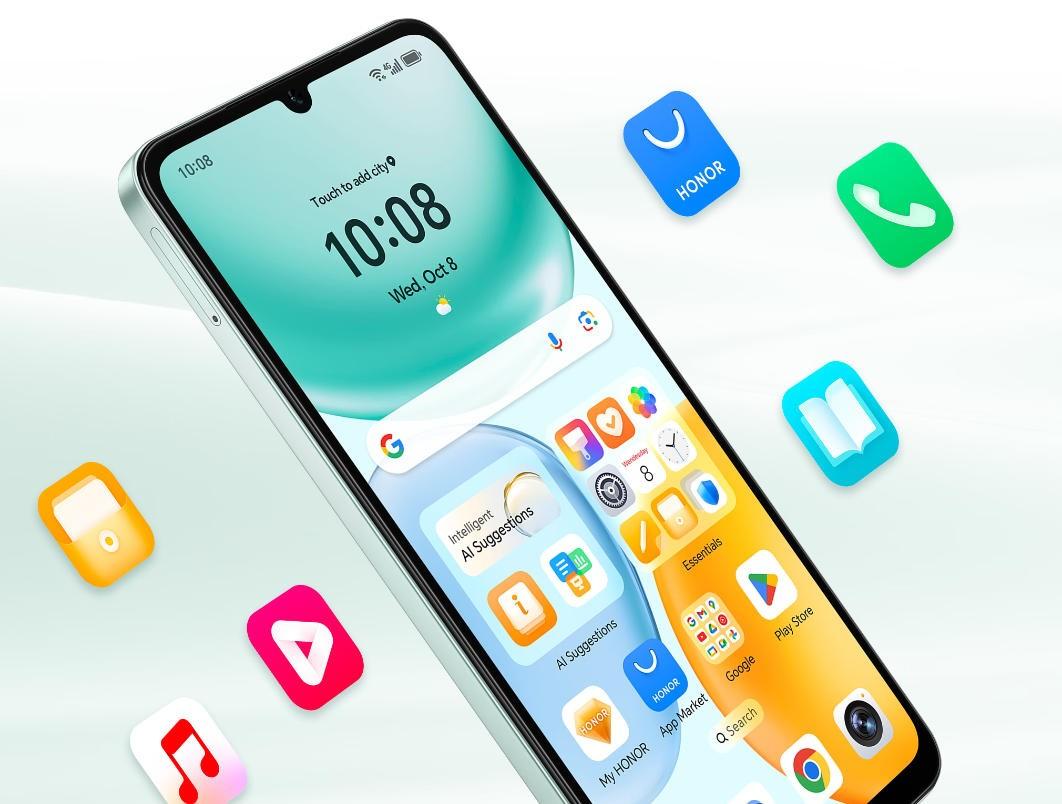
Smartphones encourage multitasking habits because they place dozens of functions within immediate reach, making it easy to shift attention from one task to another. People use their phones for communication, navigation, entertainment, organization, and quick problem-solving. These overlapping roles invite constant switching. A smartphone also creates small opportunities for action—checking a notification, replying to a message, or searching for information—which gradually build the expectation of doing many things at once. This expectation influences how people structure their day and how they engage with tasks. Smooth-performing devices, including certain Honor models, make these rapid transitions feel even easier, reinforcing multitasking as part of everyday behavior.
How Smartphones Create Conditions That Lead to Multitasking
Multiple Functions Compete for Immediate Attention
A smartphone houses messaging apps, calendars, social platforms, browsers, and utility tools. When these functions sit side by side, they compete for attention. Even without active intent to multitask, the arrangement prompts users to check multiple areas in short intervals. A simple notification can pull someone out of one task and into another. This accessibility reshapes expectations—people begin to assume they can handle several small tasks quickly rather than focusing deeply on one. The device becomes a central hub where many responsibilities converge, and this convergence naturally encourages switching. The feeling of doing more in less time reinforces the habit.
Notifications Trigger Frequent Shifts in Focus
Notifications act as triggers that interrupt the mind’s flow. A message, reminder, or update demands immediate interpretation. When people respond instantly, they shift away from their original task and engage with the new one. Even if the interruption lasts a few seconds, the effect accumulates. Smartphones make these alerts available around the clock, creating a continuous invitation to adjust focus. Over time, this environment trains attention to remain alert for the next notification rather than staying rooted in a single activity. This alert state encourages multitasking by creating constant openings for rapid shifts in cognitive focus.
Quick Tasks Reinforce the Multitasking Cycle
Smartphones make many tasks extremely quick—sending a message, checking a fact, adjusting a setting, or reviewing a schedule. Because these tasks feel small and manageable, users insert them into gaps between other activities. The ease of completion encourages repetition. People begin to weave small tasks throughout the day without pausing their main activity. This blending of actions creates a rhythm where multitasking feels natural and efficient. The perception of productivity grows even if the tasks are unrelated. Over time, the brain becomes accustomed to juggling several micro-tasks, building a habit of switching rather than sustaining prolonged focus.
How Smartphone Behavior Shapes Cognitive and Emotional Patterns
Instant Access Encourages Jumping Between Tasks
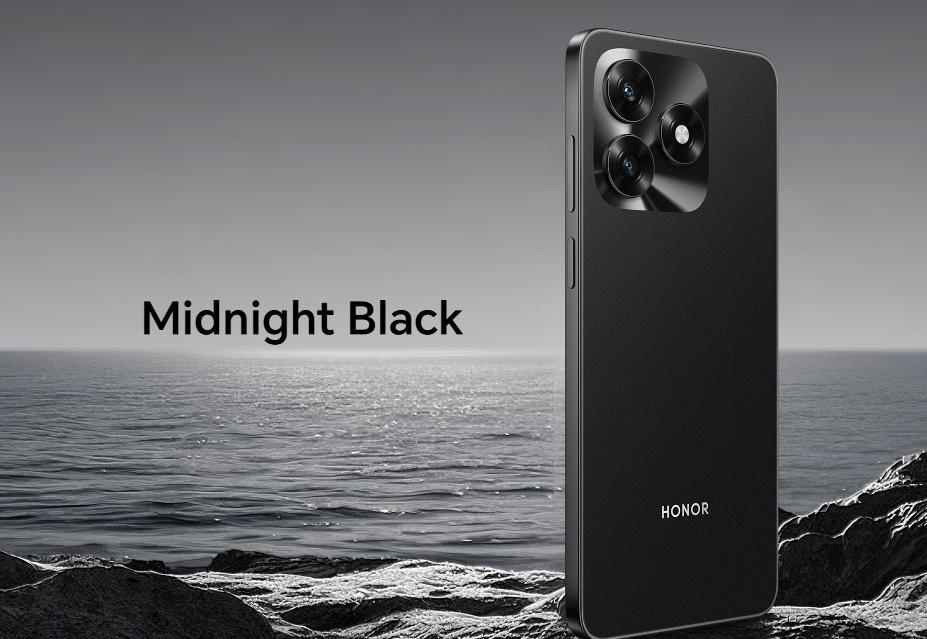
Smartphones offer immediate access to information and tools. When answers or resources appear within seconds, users develop a habit of switching tasks the moment a new idea or need arises. This creates a mental pattern where curiosity triggers rapid action instead of deeper reflection. The ability to jump between activities feels rewarding, and the reward reinforces the behavior. The convenience of smartphones increases the likelihood that people will interrupt one task to pursue another, viewing transitions as effortless. A well-optimized device such as the HONOR X5c supports these quick shifts without delay, making multitasking feel even more fluid.
Constant Connectivity Blends Social and Work Roles
Smartphones keep people connected across multiple spheres of life. Messages from friends, colleagues, and services appear in the same place. This blends personal and professional communication in a single device. The merging of roles encourages multitasking because users feel compelled to respond across contexts. A person might answer work questions while running errands or reply to social messages during a focused session. This mixed environment alters attention patterns by turning one device into a gateway to many responsibilities. People adjust their habits around these expectations, learning to juggle diverse demands with frequent switching.
The Desire for Efficiency Drives Rapid Transitions
Smartphones create a perception that multitasking increases efficiency. Because many tasks can be completed quickly, people assume that handling several at once saves time. This desire for efficiency pushes users to adopt switching behaviors that feel productive. They reply to a message while listening to audio, check a schedule during a conversation, or browse while waiting for a download. Even if multitasking reduces depth of focus, the feeling of progress motivates continued use. The smartphone acts as an accelerator, allowing users to move from task to task without large pauses. This momentum strengthens the habit and shapes daily routines.
Conclusion
Smartphones encourage multitasking habits by placing countless tools in one location, generating frequent notifications, and making small tasks easy to complete. These features reshape cognitive rhythms by rewarding quick shifts in attention and blending responsibilities across personal and professional contexts. Over time, users adapt to an environment where switching between tasks becomes normal, even during moments that once supported sustained focus. When a smartphone operates smoothly and maintains clear organization—qualities some people notice in Honor models—it makes transitions feel effortless, reinforcing the habit further. While multitasking may feel productive, understanding its patterns helps individuals make more intentional choices about how they focus throughout the day.