
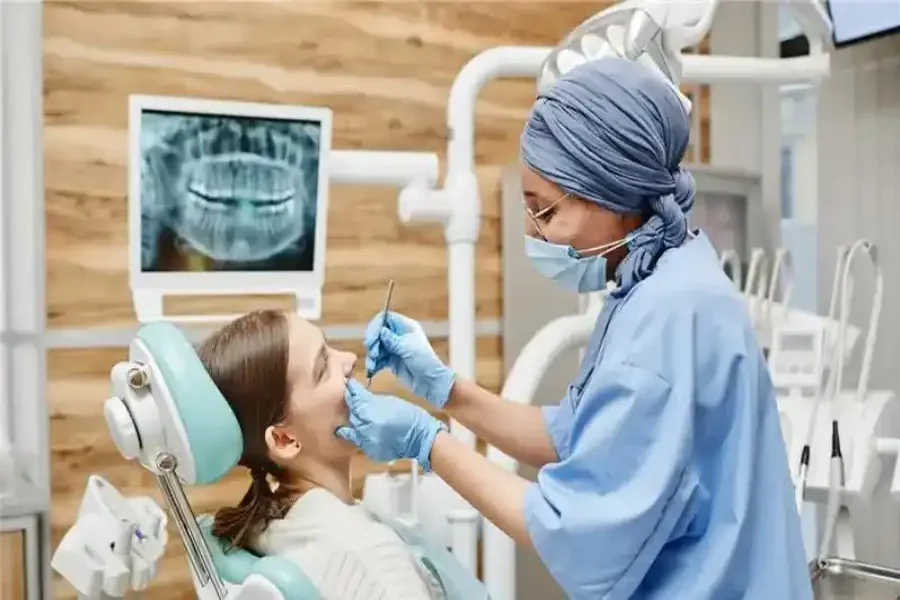
A healthy smile does not start in the treatment chair. It starts with what you do every day. Preventive dentistry helps you stop problems before they grow into pain, cost, and fear. You get cleanings, simple checkups, and clear guidance. You avoid deep decay, gum disease, and tooth loss. You also protect your heart, lungs, and blood sugar. Your mouth touches every part of your body. Small habits today shape your health for years. Regular visits with an Ann Arbor dentist give you early warnings and fast answers. You gain control. You worry less. You smile more in photos, at work, and with family. This blog explains how routine care, smart home habits, and honest talks with your dentist build a strong smile. You will see what to do, when to act, and how to stay ahead of dental problems before they steal your comfort.
Why prevention matters for your whole body
Preventive dentistry protects more than teeth. It protects your life. When you keep your mouth clean, you lower your risk for:
- Heart disease
- Stroke
- Breathing problems
- Pregnancy problems
- Diabetes problems
Your gums bleed for a reason. That blood can carry germs into your bloodstream. Those germs can harm blood vessels and organs. The Centers for Disease Control and Prevention explains that poor oral health links with heart disease and diabetes. You can read more from the CDC at this oral health page.
Strong teeth also help you eat real food. You chew fruits, vegetables, and protein with less effort. You stay at a healthy weight. You keep your energy for work and family.
Core parts of preventive dentistry
Preventive dentistry is simple. It has three main parts.
1. Routine dental visits
You should see your dentist at least two times each year. During these visits, you receive:
- Teeth cleaning that removes hard plaque you cannot brush away
- Gum checks to catch early gum disease
- X-rays when needed to see hidden decay
- Oral cancer checks
- Guidance on brushing, flossing, and diet
These steps are quick. They often prevent root canals, extractions, and urgent visits later.
2. Home care habits
Your daily habits matter more than any single visit. You can protect your mouth by:
- Brushing two times each day with fluoride toothpaste
- Flossing one time each day
- Using a fluoride mouth rinse if your dentist suggests it
- Drinking water instead of sugary drinks between meals
- Limiting snacks, especially sticky or sweet foods
The American Dental Association explains that brushing with fluoride and cleaning between teeth prevent decay. You can see ADA tips at this MouthHealthy page.
3. Protective treatments
Your dentist may offer extra protection such as:
- Fluoride treatments for children and adults at higher risk of decay
- Sealants on the chewing surfaces of back teeth
- Night guards to prevent wear from grinding
- Sports mouthguards to prevent broken teeth
These steps are simple. They protect against deep cracks, lost teeth, and jaw pain.
Prevention versus repair
Prevention saves money, time, and stress. The table below compares common preventive steps with common repair treatments.
| Type of care | Example | Typical visit time | Average cost impact | Comfort level
|
|---|---|---|---|---|
| Preventive | Cleaning and exam | 45 to 60 minutes | Low. Often covered more by insurance | High comfort. Little or no pain |
| Preventive | Fluoride and sealants | 15 to 30 minutes | Low. Helps avoid future large bills | High comfort. Quick and simple |
| Repair | Filling for a cavity | 45 to 60 minutes | Moderate. One tooth at a time | Moderate comfort. Numbing and drilling |
| Repair | Root canal and crown | 2 to 3 visits | High. Often hundreds of dollars | Lower comfort. Longer recovery |
| Repair | Tooth removal and implant | Several visits over months | Very high. Often thousands of dollars | Low comfort. Surgery and healing time |
This comparison is simple. You can pay a little now for routine care or pay a lot later for repair.
How prevention builds confidence
A healthy mouth changes how you feel about yourself. When you keep up with preventive care you:
- Smile without hiding your teeth
- Speak and laugh without worry about bad breath
- Eat meals with others without fear of pain
- Show up for school or work more often
You also feel more in control. You know what is happening in your mouth. You face fewer surprises. That sense of control lowers stress and shame.
Simple steps for every age
Children
- Schedule the first dental visit by age one or at first tooth
- Use a small smear of fluoride toothpaste for young children
- Limit juice and sugary snacks
- Ask about sealants on permanent molars
Teens and adults
- Keep regular cleanings and exams
- Protect teeth during sports with a mouthguard
- Do not smoke or vape
- Manage grinding with a night guard if needed
Older adults
- Tell your dentist about all medicines
- Use saliva substitutes if you have dry mouth
- Clean dentures every day and remove them at night
- Watch for any sore spots or color changes in your mouth
When to call your dentist
Do not wait if you notice:
- Bleeding gums
- Loose teeth
- Ongoing bad breath
- Tooth sensitivity to hot, cold, or sweets
- Pain when chewing
- Any sore or patch that does not heal in two weeks
Early contact turns a small problem into a simple fix. Delay turns it into a crisis.
Take the next small step
You do not need a big change. You only need three small moves.
- Brush and floss every day
- Drink water instead of sugary drinks between meals
- Schedule your next checkup and keep it
Each small step protects your health, your budget, and your peace of mind. Preventive dentistry gives you more than clean teeth. It gives you a calm, confident, healthy smile that you can trust.