
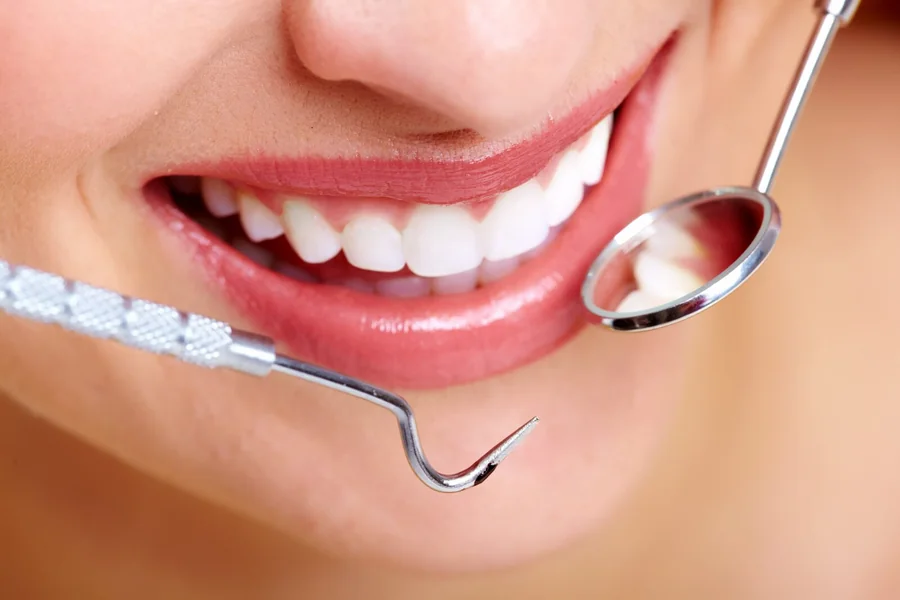
Cosmetic dental work can give you a strong smile. Veneers, crowns, and bonding can repair damage and improve how you look. Yet these restorations are not unbreakable. They face the same daily wear from chewing, grinding, and plaque that your natural teeth face. Without steady preventive care, even the best work can chip, stain, or fail sooner than it should. That leads to repeat treatment, higher costs, and more time in the chair. With the right habits and guidance, you can protect your investment and keep your smile steady for many years. Regular cleanings, early treatment of small problems, and simple changes at home all help. A gentle family dentist in Acton, MA can show you how to care for your restorations so they last longer, feel comfortable, and stay strong. This guide explains what to do, what to avoid, and when to seek help.
Why preventive care matters for cosmetic work
You may think cosmetic restorations are stronger than natural teeth. In some ways that is true. Yet they still rely on the tooth and gums that support them. If those weaken, the restoration fails.
Preventive care focuses on three simple goals.
- Protect the tooth under or behind the restoration
- Protect the gums that hold teeth in place
- Limit wear, cracks, and stains on the restoration surface
When you keep up with basic care, you slow down decay and gum disease. You also reduce bite stress and grinding. That means fewer fractures and fewer sudden emergencies.
The Centers for Disease Control and Prevention shows that untreated decay and gum disease are common. Those same problems are the main reasons crowns, veneers, and fillings need early replacement.
Daily habits that protect your restorations
You control much of the wear on your cosmetic work at home. Small actions each day create large changes over time.
1. Brush the right way
- Brush two times each day for two minutes
- Use a soft toothbrush to avoid scratching porcelain and composite
- Use fluoride toothpaste to support the tooth around the restoration
Hard brushing can wear down edges and near the gum line. That creates tiny gaps where bacteria collect. Gentle pressure cleans without harm.
2. Clean between teeth
Food and plaque collect where teeth touch. That includes places where veneers and crowns meet your natural tooth.
- Use floss once each day
- Thread floss under bridges if you have them
- Use small brushes for larger spaces if floss is hard to use
The National Institute of Dental and Craniofacial Research explains that cleaning between teeth lowers decay and gum problems. That same habit protects the edges of cosmetic work.
3. Watch what and how you eat
Food and drink affect both color and strength.
- Limit soda, sports drinks, and sweet snacks between meals
- Rinse with water after coffee, tea, and red wine
- Cut hard foods like raw carrots or apples into smaller pieces
- Avoid chewing on ice, pens, or fingernails
These steps reduce cracks at the edges of veneers and chipping of bonding. They also keep stains from building at the margins.
Professional care that extends longevity
Your dentist plays a direct role in how long restorations last. Regular visits let your dentist find small issues early.
Routine cleanings
During a cleaning the team will.
- Remove plaque and tartar around crowns, veneers, and fillings
- Polish gently so surfaces stay smooth
- Check for scratches that can trap stain
Cleanings every six months suit most people. Some need visits more often if they build heavy tartar or have gum disease.
Checkups and early repair
At each exam your dentist will check.
- Bite and jaw movement for signs of grinding
- Edges of crowns and veneers for gaps or small chips
- Health of gums around each restoration
Early repair of a chip or loose margin often saves the whole restoration. A quick polish or small patch can prevent a full replacement.
How different restorations respond to preventive care
Each type of cosmetic work has its own strengths and limits. Good care supports them all.
| Restoration type | Typical lifespan with poor care | Typical lifespan with good preventive care | Main risks | Key protective habits
|
|---|---|---|---|---|
| Porcelain veneers | 3 to 7 years | 10 to 15 years | Chips, cracks, edge decay | Mouthguard, gentle brushing, no ice chewing |
| Crowns | 5 to 8 years | 10 to 20 years | Decay under crown, gum disease | Floss at margins, routine X rays, regular cleanings |
| Tooth colored bonding | 2 to 4 years | 5 to 8 years | Stain, wear, small fractures | Limit dark drinks, quick repair of chips |
| Implant crowns | 5 to 10 years | 15 or more years | Gum inflammation, bite overload | Careful cleaning around implant, bite checks |
These ranges are averages. Your own outcome depends on habits, health, bite, and how often you see your dentist.
Protecting against grinding and clenching
Nighttime grinding can undo years of careful work. It can flatten crowns and veneers and crack bonding.
You can watch for signs such as.
- Sore jaw in the morning
- Headaches after sleep
- Chipped edges on front teeth
If you notice these signs, ask about a custom night guard. It spreads pressure and shields the surface of your restorations. It also protects natural teeth.
When to call your dentist right away
Do not wait and hope a problem will go away. Reach out soon if you notice.
- Sharp edges or rough spots on a crown, veneer, or bonding
- Food catching at the edge of a restoration
- Color change along the gum line
- Sensitivity to hot, cold, or sweet near cosmetic work
- Swollen or bleeding gums around a crown or veneer
Quick visits for small changes can prevent larger damage. They also protect your comfort and your budget.
Taking charge of your restored smile
You put effort and money into your cosmetic restorations. You deserve to keep them strong as long as possible.
You can focus on three steps.
- Keep a steady home routine with brushing, flossing, and smart food choices
- See your dentist for regular cleanings and exams
- Act fast when you notice changes or pain
These steps support your natural teeth and your cosmetic work at the same time. With steady preventive care, you protect your smile, your comfort, and your future treatment needs.